

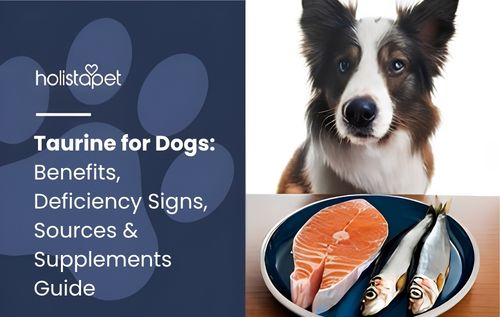
Taurine is an important amino acid that plays a key role in a dog’s overall health. While dogs can produce some taurine on their own, certain breeds or dietary conditions may result in lower levels. In these cases, taurine must be obtained through food or supplements to help support normal body function.
This guide explains what taurine is, its potential roles in canine health, natural food sources, and when supplementation may be considered.
What Is Taurine?

Taurine is a naturally occurring amino acid found in animal-based proteins such as meat and fish. Unlike amino acids used for building proteins, taurine supports several metabolic and cellular processes in the body.
Although dogs can synthesize taurine, some may not produce enough to meet their needs, especially under specific dietary or health conditions. For this reason, taurine intake from diet is important for maintaining normal physiological functions.
For broader nutritional context, you can explore general dog nutrition guides to better understand how amino acids fit into a complete diet.
What Does Taurine Do for Dogs?
Taurine supports several systems in a dog’s body. It is especially associated with heart, vision, neurological, muscular, and reproductive function.
Some owners also explore broader wellness routines that include dog multivitamin to support overall nutritional balance alongside diet.
Heart Function
Taurine is involved in supporting normal heart muscle activity. Adequate levels may help maintain cardiovascular function, particularly in dogs with higher nutritional needs or predispositions.
Eye Health
Taurine is present in retinal tissues and may help support normal vision. Low taurine levels have been associated with retinal health concerns in some cases.
Brain Function
Taurine plays a role in neurotransmission, which helps support communication between nerve cells and normal brain activity.
Muscle Support
Taurine is involved in regulating calcium balance in muscle cells, which contributes to normal muscle contraction and recovery after activity.
Reproductive Health
Taurine also contributes to general cellular function, which may support normal reproductive processes in dogs.
What Is Taurine Deficiency?

Taurine deficiency occurs when a dog’s taurine levels are lower than what is needed for normal physiological function. This may be influenced by diet, genetics, or individual health factors.
In some cases, deficiency may not show obvious signs early on, which is why dietary balance is important.
Digestive balance and nutrient absorption are also commonly discussed alongside probiotics for dog gut health as part of overall wellness support.
What Health Issues May Be Associated With Taurine Deficiency?
Low taurine levels have been associated in veterinary literature with certain health conditions, particularly those involving the heart and eyes.
One condition of concern is dilated cardiomyopathy (DCM), where the heart becomes enlarged and less efficient at pumping blood. Taurine levels may be one of several contributing factors, along with genetics and diet composition.
Vision-related concerns have also been observed in cases where taurine levels are insufficient.
Which Dogs May Be at Higher Risk?
Some dogs may have a higher likelihood of low taurine levels due to breed tendencies or dietary factors.
Breeds that are often monitored more closely include:
- Golden Retrievers
- Labrador Retrievers
- Cocker Spaniels
- Some large and giant breeds
However, taurine status can vary widely between individual dogs, so risk is not limited to specific breeds.
General breed-related health considerations are also discussed in related topics such as how heavy should my canine be.
How Is Taurine Deficiency Managed?
Management typically focuses on dietary evaluation and nutritional adjustment under veterinary guidance.
Veterinarians may recommend:
- Increasing animal-based protein sources in the diet
- Switching to a more balanced commercial diet
- Considering taurine supplementation when appropriate
Supplementation decisions should always be guided by a veterinarian to ensure proper dosage and suitability.
What Are Good Sources of Taurine?
Taurine can be obtained through both natural food sources and supplements.
Dietary Sources
Taurine is naturally found in:
- Beef heart and other organ meats
- Liver
- Poultry
- Fish such as salmon and sardines
High-quality commercial dog foods may also include added taurine to support nutritional balance.
Supplements
Taurine supplements are available in powders, chewables, and liquid forms. These may be considered when dietary intake alone may not be sufficient.
Taurine in Dog Supplements

Some dog supplements may include taurine as part of their nutritional formulation, alongside other vitamins, minerals, and amino acids. These products are typically designed to help support general wellness when used in combination with a balanced diet.
For example, certain soft chew or multivitamin formulations may contain taurine as one of several ingredients that contribute to overall nutritional support, particularly for dogs with higher dietary needs or selective eating habits.
Some pet parents choose veterinarian-formulated wellness supplements that include taurine as part of a broader nutritional blend designed for daily canine support.
Supplement use should always be guided by a veterinarian to ensure it is appropriate for the dog’s individual diet, health condition, and lifestyle. This helps ensure that any added nutrients, including taurine, are given in suitable amounts and aligned with overall nutritional balance.
Some supplement routines may also include herbal or adaptogenic support such as astragalus for dogs as part of broader wellness formulations.
How to Start Taurine Supplementation for Dogs?
If supplementation is being considered, it should be introduced carefully and ideally under veterinary supervision.
- Veterinarian Consultation. A veterinarian can assess your dog’s diet, health status, and whether supplementation is appropriate.
- Selecting Supplement. Choose a product designed for dogs and formulated by a reputable manufacturer.
- Gradual Introduction. Introduce the supplement slowly to help your dog adjust to the new addition to their diet.
- Monitoring. Observe your dog’s response and maintain regular veterinary check-ups if supplementation continues.
Broader supplement considerations are often discussed alongside general wellness products like best CBD oil for dogs or CBD soft chews for dogs in holistic care routines.
Are There Any Potential Side Effects?
Taurine is generally well tolerated in dogs when used appropriately. However, mild effects may occur in some cases.
Possible effects include:
- Mild digestive upset such as soft stool or vomiting during initial use
- Sensitivity to other ingredients in supplement formulations
- Possible interactions with existing medications (requires veterinary guidance)
If any unusual symptoms occur, supplementation should be stopped and a veterinarian consulted.
Final Thoughts
Taurine is an important amino acid that supports several normal functions in dogs, including heart, eye, brain, and muscle health. While many dogs obtain sufficient taurine through diet, some may benefit from closer nutritional monitoring or supplementation.
A balanced diet and regular veterinary check-ups are key to maintaining healthy taurine levels and overall well-being.
FAQs
What is taurine for dogs?
Taurine is an amino acid that supports several normal body functions, including heart, vision, and nervous system health. Some dogs may require dietary sources to maintain adequate levels.
What causes taurine deficiency in dogs?
Possible causes include dietary imbalance, breed tendencies, or underlying health conditions. Diet composition is one of the most important factors.
What are the signs of taurine deficiency?
Signs may include reduced energy, exercise intolerance, heart-related symptoms, or vision changes in more severe cases.
Is taurine linked to dilated cardiomyopathy (DCM)?
Low taurine levels have been associated with some cases of DCM, although other factors such as genetics and diet may also contribute.
Which dogs may be at higher risk?
Some breeds, including Golden Retrievers and Cocker Spaniels, may have a higher likelihood of taurine-related concerns, but any dog can be affected depending on diet and health status.








Leave a comment
All comments are moderated before being published.
This site is protected by hCaptcha and the hCaptcha Privacy Policy and Terms of Service apply.