Dog Nutrition
Join Our Newsletter
Frequently Asked Questions
People often think of their dogs as the world’s most adorable garbage disposals. Dogs seem like they will eat just about anything, but should they? They might not be picky eaters, but our furry friends require proper dog nutrition to stay in shape.
To keep your dog active, healthy, and happy, it’s important to provide them with the proper nutrients and a balanced diet. This means finding high-quality foods that contain important ingredients and avoiding certain foods that may seem nutritious but might lead to illness.
The right dog nutrition for your furry friend depends on its size, breed, genetics, and activity level, among other things. Here is a guide on how to pick the right food so that you can get started on making your dog happy and healthy!
Why Is Dog Nutrition Important?
Why Is Dog Nutrition Important?
A balanced, healthy diet is critical to your dog’s overall health, including essential development and internal maintenance like cell repair. Most dogs can get all of the nutrients they need to be healthy and happy from a high-quality pet food brand.
Though, the right dog nutrition for each pooch depends on its specific needs. This includes dogs with special needs or illnesses, as well as puppies and seniors. Your dog’s health, weight, breed, metabolism, activity level, age, and genetics will also play a part in their nutrition requirements.
What Can Happen If I Ignore My Dog’s Nutritional Health?
Poor dog nutrition can lead to serious issues for your pup, including allergies, hair loss, and obesity. They will also have poor gastrointestinal health and other complications that need to be addressed by a veterinarian.
Excessive salt can severely increase your dog’s chance of developing congestive heart failure. Too much or too little calcium can lead to growth disorders and bone problems. High amounts of sodium or potassium can lead to kidney disease. Unhealthy food or too much food can make your dog obese. Too much fat in their diet can cause a dog to develop an inflamed pancreas.
If your dog is eating too much or too little food, as well as food that’s not high quality with proper nutrients, dogs will start to show signs of malnutrition. Some signs include:
- Obesity
- Weight loss
- Excessive shedding
- Hair loss
- Dandruff
- Dull coat
- Body odor
- Skin disorders
- Bad breath
- Allergies
- Inconsistent bowel movements
- Flatulence
Proper dog nutrition and a balanced diet will ensure that your furry friend is happy and active. They will also be at an appropriate weight and have healthy skin and fur.
Which Nutrients Are Most Important For Dogs?
Which Nutrients Are Most Important For Dogs?
If you want your dog to be healthy and get a well-balanced diet, there are certain nutrients to keep in mind.
Water
Water actually makes up 60 to 70% of an adult dog’s body weight. A 10% decrease in body water can lead to serious illness. Your dog can fatally suffer if they lose 15% of the water in their body. It’s safe to say that this is one of the most critical things your dog needs each day to stay healthy.
Your dog must always have access to fresh, clean water available at all times. Make sure to clean your dog’s water bowl frequently to avoid bacteria buildup. Dry food has up to 10% moisture and canned food has up to nearly 80% moisture. If you feel your dog is dehydrated, switch to a food with more moisture.
Proteins
Dogs are carnivores and need meat in their diet. Protein is essential for your dog’s growth, maintenance, and repair. Here are the most common protein sources for dogs:
- Chicken
- Turkey
- Beef
- Lamb
- Fish
- Eggs (must be cooked)
Dogs can also benefit from the “incomplete” proteins in vegetables and soy. Though, make sure that your dog is getting protein from a meat source like the ones listed above.
CBD
CBD, short for cannabidiol, is a naturally occurring phytocannabinoid found in the hemp plant. It’s non-psychoactive, which means it won’t get your dog high. Instead, CBD interacts with the receptors in your dog’s endocannabinoid system (ECS) to support overall health and wellness.
Your dog’s ECS includes all their major systems, like the digestive, immune, and nervous systems. That means that CBD interacts with the receptors found all over your dog’s body and mind. It soothes your dog’s physical discomfort and joint aches. CBD also reduces tension and aggressive behavior.
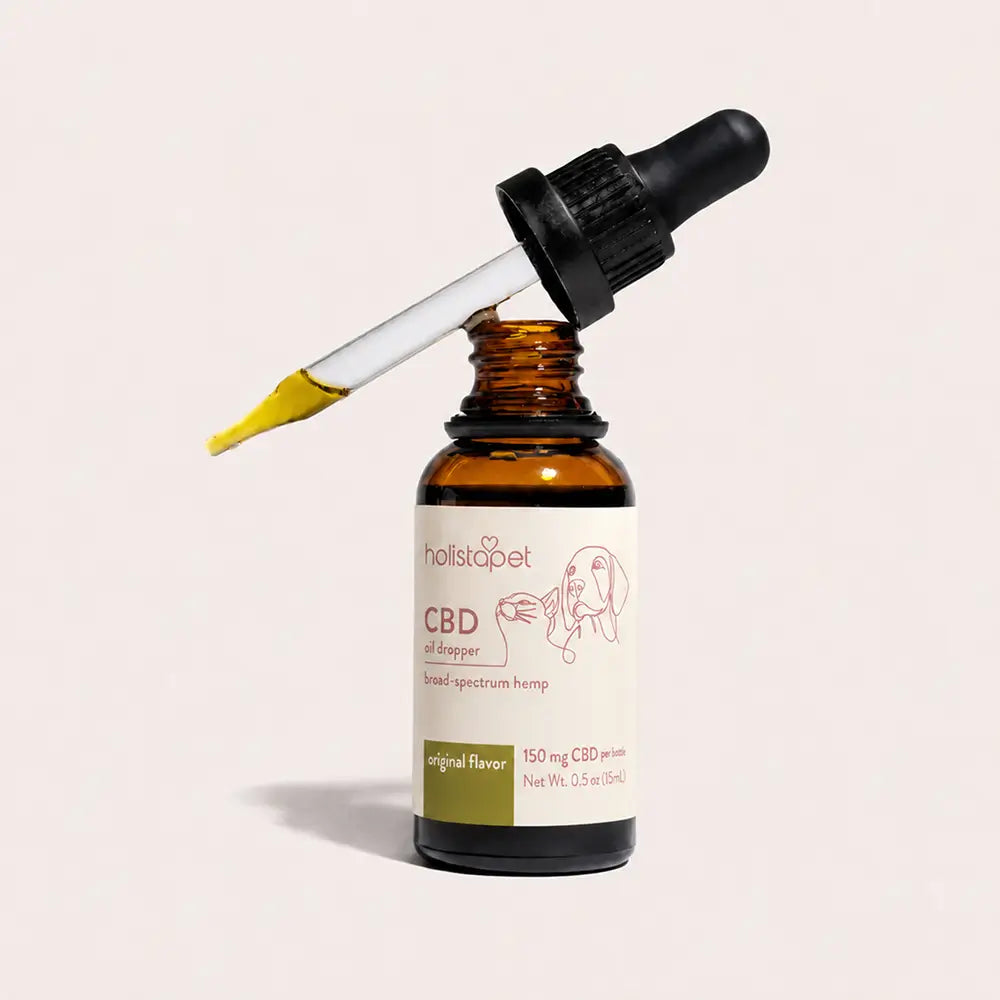
You can drop CBD oil on top of your dog’s daily meal, allowing you to easily give your dog the exact dose they need. CBD can be mixed into your dog’s food without a problem since it doesn’t have a strong flavor or scent.
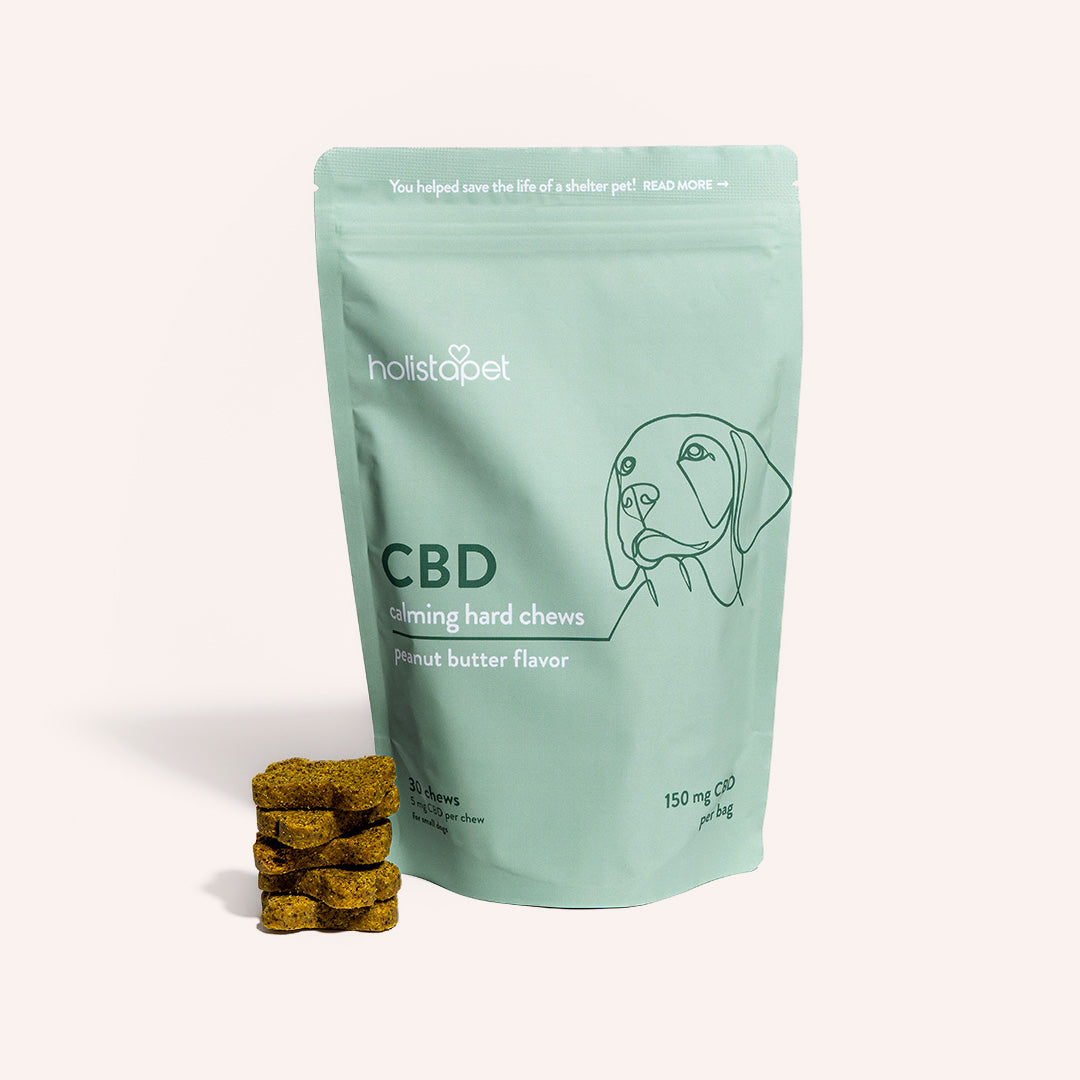
CBD treats are another popular way to give your dog CBD in a tasty way. HolistaPet’s CBD treats are organic, natural, vegan, and non-GMO. In addition to CBD, they are packed with nutritious and beneficial ingredients, making them a great way to provide healthy and effective snacks for your pup.
Related Product: Get Your Premium CBD Dog Tincture Here!
Fats
If you want your dog to stay active, they need a brand of food with plenty of fat. Fat provides your pup with twice the energy of proteins or carbohydrates. Fat is also important for cell structure and hormone production.
Fats can protect internal organs and help your dog absorb certain vitamins. If your dog has a deficiency of essential fatty acids, they might suffer from stunted growth or develop skin issues.
Fiber
Fibers manage the bacterial population in your dog’s small intestine. Dogs get the most benefit from fiber when the source of the fiber is “moderately fermentable,” like beet pulp, rice, and wheat. This is commonly used in dog food so always check the ingredients.
Food high in fiber is not good for all dogs though. If your dog has a high energy requirement or is still a puppy, pass on dog food that’s rich in fibers.
Vitamins
Vitamins (like vitamin C or D) are essential for your dog’s balanced diet since canines don’t naturally create them within their own bodies. The vitamins you provide your dog should already be present in high-quality dog food.
Avoid giving your dog vitamin supplements unless instructed to by a veterinarian. Dogs can form “hypervitaminosis” from having excessive vitamins, which is more common than being vitamin deficient. This can lead to complications like kidney failure.
Minerals
Your dog’s bones and teeth require minerals to stay healthy and strong. Minerals also help with your dog’s fluid balance and metabolic reactions.
Vegetables
Dogs don’t need vegetables but you’ll often see them listed as an ingredient in dog food. That’s because they provide a lot of the necessary vitamins and minerals to your dog. Sweet potato is a common additive thanks to its abundance of potassium and Vitamin B. Another benefit of sweet potatoes are that they have antioxidants that can help fight against serious illness.
Nutrient Tips For Puppies
During the first four weeks of a puppy’s life they get the nutrition they need from their mother’s milk. You won’t need to feed them anything else during that time. Dogs begin eating puppy food around three to four weeks old through a process called “weaning.”
Separate the litter from the mother for a few hours at a time. The puppy’s dependence on the milk will slowly lessen. Let them eat from a pan while separated. The amount of food and the frequency of the separation will be gradually increased. They’ll soon become completely weaned and won’t need to rely on their mother for nutrients.
The food you should be giving small puppies is the same high-quality puppy food you’d be giving them throughout this growth period. To start, you can moisten the food with warm water that will make it easier for the puppy to digest. By eight weeks old, puppies should be eating dry food consistently.
Since they are growing during this time, puppies need a brand of dog food that has between 25% to 30% protein. Be careful not to overfeed your puppy, as this can lead to weight gain and joint pain for a growing dog. Instead, look for food that’s higher in protein and formulated specifically for puppies.
Nutrient Tips For Adult Dogs
Dogs vary in personality and size, meaning you’ll have to feed your dog an amount suitable for their breed, lifestyle, and genetics. If you have a dog that loves to run around all day long, they might require more food than a small lap dog that spends most of its day lounging on the couch with you.
It’s best to consult with a veterinarian to determine the best amount of food for your dog’s specific needs. They might also recommend a certain type of food that will help your dog reach its full potential.
To keep your pooch from getting intestinal issues, it’s best to feed a dog twice a day instead of giving it all the food at once. Divide the amount of daily food your dog requires into two meals, spaced roughly eight hours apart.
Though, this isn’t the only method for feeding your pooch. There are three main methods for dog feeding, and the right one for your furry friend depends on them. No matter which way you decide to feed your dog, just make sure it’s consistent!
Free-choice feeding: This means you leave the food out all day long. Your dog gets as much as they want whenever they want. The potential issue with this feeding style is that some dogs may become obese as they keep chowing down.
Portion-control feeding: When your dog requires some weight control and can’t be trusted with free-feeding, this may be the way to go. You measure out the exact amount of food your dog will eat for that meal.
Timed feeding: Timed feeding is when you give your dog a portion of its daily food and give them a specific time to chow down. After 30 minutes, you remove the food that was not eaten.
Nutrient Tips For Senior Dogs
At about seven to 12 years old, you’ll notice your dog showing signs of aging. While some of these signs are physical (like white hairs on their fur), there are also metabolic changes as well. You’ll most likely need to change the way you feed your older dog to maintain its weight, keep it in good health, and minimize diseases.
Some common symptoms of old age include unhealthy skin and coat, loss of muscle mass, obesity, dental problems, infections, and intestinal problems. A dog’s size and breed may also influence these issues. For example, smaller dogs live longer yet don’t experience as many of these issues as early as big dogs.
Fortunately, the ASPCA has come up with a guide for knowing when to change your dog to a senior diet. Here are the ideal ages (in human years) to switch your dog to a food designed for older canines:
Small breeds weighing less than 20 pounds: 7 years old
Medium breeds weighing between 21 and 50 pounds: 7 years old
Large breeds weighing between 51 and 90 pounds: 6 years old
Giant breeds weighing 91 pounds or more: 5 years old
What Should I Feed An Older Dog?
When it comes to choosing a new diet for your senior dog, avoid dog foods with reduced protein. They need a healthy amount of digestible protein to maintain muscle mass. Look for food with lower calories since senior dogs are often less active and gain weight easier.
Look for foods with the following ingredients:
- Gamma-linolenic acid (GLA): This is an omega-6 fatty acid that helps your dog’s coat and skin remain healthy.
- Fructooligosaccharides (FOS): This promotes the growth of beneficial bacteria, helping senior dogs fight off gastrointestinal disease.
- Vitamin E: This antioxidant helps eliminate free radicals that damage your dog’s body tissue. Antioxidants also increase a senior dog’s immune system effectiveness.
As usual, consistency is key when feeding a dog of any age. Avoid abrupt changes in your dog’s feeding schedule. This will reduce stress and give your elderly pooch a sense of stability.
How Much Should My Dog Eat?
How Much Should My Dog Eat?
The amount of food your dog eats each day depends on the individual canine in question. Consider the type of food, the number of meals, body weight, age, metabolic rate, and how much the dog exercises.
It’s important to talk with a vet about dog nutrition because they can advise you on the proper amount of food to give your pet. While it’s easy for an owner to determine a dog’s activity level and food preferences, it may be harder to tell its metabolic rate or genetic predispositions. Veterinarians can give you this information and help you choose a food.
You should monitor your dog’s appearance and health to see if you need to give them more or less food. You shouldn’t be able to see protruding ribs. Instead, they should have an “hourglass” body shape from above and a “tucked up” appearance from the side. Also check out your pet’s coat quality, joint health, and activity level.
What Dog Foods Should I Avoid?
What Dog Foods Should I Avoid?
Dogs can eat a surprising amount of “human food.” Some human foods, like sweet potato and blueberries, are even considered superfoods due to their many health benefits when given in proper amounts.
Despite being known as garbage disposals, there are a lot of foods that dogs should avoid. Here are some to keep away from your pup.
Xylitol
This is a sweetener used in items like candy, gum, baked goods, and even some diet foods. Your dog’s blood sugar may drop if they consume xylitol. It may also get liver failure and seizures within a few days. Signs of ingestion include vomiting, dizziness, and lethargic behavior.
Avocado
Avocados have an ingredient known as persin. Too much of this will cause vomiting or diarrhea in dogs. If a dog swallows the large avocado seed, it might also become stuck in their intestines, leading to fatal obstructions. Try to keep your dog away from the avocados in your home.
Onions And Garlic
Whether it’s powdered, raw, cooked, or dehydrated, onions and garlic should be kept far away from your precious pup. These two ingredients can kill red blood cells and make your dog anemic. If your dog appears weak and has trouble breathing, take them to a vet immediately.
Caffeine
Tea and coffee can be fatal to your four-legged companion. Even the beans found in cocoa, chocolate, and energy drinks can harm your dog. If they ingest caffeine, take them to the vet right away.
Grapes And Raisins
These treats may sound healthy, but grapes and raisins can cause kidney failure. Even a small amount can make a dog sick. If your dog is vomiting over and over, this is an early sign that your dog needs some medical attention.
Dairy
Sharing an ice cream cone with a dog seems cute, but dairy is very unhealthy for dogs. It can lead to digestive problems and food allergies. You’ll notice your dog getting diarrhea or itching itself.
Macadamia Nuts & Chocolate
Even just a handful of macadamia nuts can make a dog sick. Signs can include:
- Shaking
- Vomiting
- Weak back legs
- High temperature
Macadamia nuts blended with chocolate may be delicious to us, but they are potentially fatal to a canine. Speaking of chocolate, the theobromine found in it may cause heart problems, tremors, seizures, and death.
Fat And Bones
After you finish a steak, it might seem like you’re treating your dog by giving it the leftovers. Though, fat trimmings can cause pancreatitis and bones could cause your dog to choke. The bones might splinter and cut your dog’s digestive system, so give your dog bones intended specifically for canines instead.
Raw Meat
We mentioned dogs can’t eat raw eggs, but did you know they also can’t have raw meat and fish? These have bacteria that can lead to food poisoning. If your dog consumes raw meat, you may notice a fever and vomiting. Be sure to fully cook fish to kill any parasites that might be inside it.
Salt
Too much salt can cause sodium poisoning. If you notice tremors, high temperatures, seizures, or vomiting, your dog might have sodium poisoning.
Final Thoughts – Dog Nutrition
To keep your pooch active, healthy, and looking its best, it needs proper dog nutrition. This means high-quality dog food that has all of the essential ingredients that keep a dog’s diet balanced and nutritious. Some important things to keep in mind are protein, healthy fats, carbohydrates, and CBD.
Always supervise your dog’s eating and keep their meals consistent and regulated. This will reduce stress and make sure your dog is healthy and getting all of the required nutrients to keep them safe and happy!
Other Dog Nutrition Articles












Recommended Products
Based on these articles