


Bad breath in cats often signals an issue that needs attention and it can indicate dental disease or an underlying health issue.
Simple home remedies can help freshen breath and support better oral health.
Why Does My Cat’s Breath Stink?
The main causes of bad breath in cats are dental plaque, gum disease, or underlying health conditions.
- Dental plaque and tartar: Bacteria build up on teeth and release foul smelling compounds as they break down food particles.
- Gum disease: Inflammation and infection in the gums create a strong odor and can worsen over time.
- Diet residue: Food particles stuck between teeth decay and produce an unpleasant smell.
- Oral infections: Wounds or ulcers in the mouth can harbor bacteria and lead to bad breath.
- Kidney disease: Waste buildup in the blood can cause a urine like smell, supported by the American Veterinary Medical Association.
- Diabetes: A sweet or fruity odor may appear due to ketone production, based on veterinary endocrinology research.
- Digestive issues: Problems in the gut can affect breath through gas and bacterial imbalance.
Related: Is Cat Food Bad
What are the Best Home Remedies for Bad Breath in Cats?

Bad breath in cats improves with home care that reduces bacteria and supports oral health.
|
Remedy |
Main Benefit |
Key Support |
|
Brushing Teeth |
Removes plaque |
Backed by veterinary dental guidelines |
|
Dental Treats |
Reduces buildup |
Supported by Hill’s Prescription Diet dental chews research [Hill's Pet Nutrition, 2024] |
|
Better Diet |
Limits residue |
Linked to plaque formation research |
|
Water Additives |
Controls bacteria |
Vet recommended for plaque control |
|
Chewing Options |
Natural cleaning |
Supported by periodontal studies |
|
CBD Support |
Helps inflammation |
ECS research supports immune role |
|
Fresh Herbs |
Neutralizes odor |
Natural chlorophyll effect |
1. Brush Your Cat’s Teeth Regularly
Brushing targets plaque, which causes most odor. Veterinary sources confirm this as the most effective method.
- Removes bacterial plaque before it hardens into tartar.
- Prevents gum inflammation linked to odor.
- Veterinary experts from Colorado State University state brushing is the best way to slow dental disease.
2. Add Dental Treats or Chews
Chewing helps reduce buildup through mechanical action and enzymes.
- Scrapes plaque off teeth during chewing.
- Supports gum health with regular use.
-
Texas A&M veterinarians note dental chews help reduce plaque and tartar buildup.

3. Improve Diet Quality
Food affects how much residue sticks to teeth and feeds bacteria.
- High protein diets leave less sticky residue.
- Dry textures can help reduce buildup slightly.
- Research shows plaque forms from bacteria, saliva, and food particles, which diet directly influences.
4. Use Natural Water Additives
Water additives support daily oral hygiene with minimal effort.
- Helps reduce bacteria in the mouth.
- Slows plaque adhesion to teeth.
- Veterinary guidance notes water additives can reduce plaque buildup when used consistently.
5. Offer Safe Chewing Options
Chewing supports natural cleaning and reduces debris.
- Promotes mechanical removal of buildup.
- Keeps gums stimulated and healthier.
- Studies show plaque accumulation leads to periodontal disease, so reducing buildup matters early.
6. Support Oral Health with CBD and the ECS
The endocannabinoid system regulates inflammation and immune response. Supporting this system can help maintain healthier gums.
At Holistapet, CBD products support overall balance, which helps pets stay calm during care routines and maintain better wellness. CBD interacts with the endocannabinoid system (ECS) to modulate inflammation and immune response, which may support healthier gums and comfort during oral care [Frontiers in Veterinary Science, 2022]
- May help regulate inflammation in gum tissue.
- Supports comfort, which encourages better oral care habits.
- Research in Frontiers in Veterinary Science shows cannabinoids interact with receptors that influence inflammation and immune function.
7. Add Fresh Herbs for Natural Freshening
Some herbs help neutralize odor naturally.
- Parsley contains chlorophyll that helps reduce odor.
- Small amounts can freshen breath safely.
- Always avoid toxic plants like garlic and onions.
Read More: CBD For Cats
When Do I Go to the Vet for My Cat’s Bad Breath?

Go to the vet when bad breath persists or comes with other symptoms. Strong odor often signals a deeper issue that home care cannot fix.
Watch for clear warning signs:
- Severe or worsening smell: A strong odor that does not improve with basic care.
- Red or bleeding gums: Signs of gum disease or infection.
- Difficulty eating: Pain while chewing or sudden food avoidance.
- Excessive drooling: May point to oral pain or infection.
- Loose or missing teeth: Indicates advanced dental disease.
Certain smells can also hint at serious conditions:
- Ammonia like odor: Linked to kidney problems.
- Sweet or fruity scent: Can signal diabetes due to ketones.
Veterinary care matters when symptoms go beyond simple plaque buildup. The American Veterinary Medical Association states that dental disease can progress without treatment and affect major organs. Early diagnosis helps prevent complications and improves long term health.
Feline Bad Breath is Critical
Bad breath in cats needs prompt attention, not guesswork. Simple home care can help, but persistent symptoms require veterinary support to protect your cat’s health.
Frequently Asked Questions
Can bad breath in cats go away on its own?
No. Bad breath usually signals an underlying issue that needs treatment or consistent care.
How often should cats get dental checkups?
Cats should get dental exams at least once a year, or more often if they show signs of oral problems.
Are human toothpaste products safe for cats?
No. Human toothpaste contains ingredients that can harm cats if swallowed.
Can kittens have bad breath too?
Yes. Teething or early dental issues can cause mild odor, but strong smells need attention.
Does wet food cause bad breath in cats?
Wet food can stick to teeth more easily, which may contribute to odor if oral hygiene is poor.
Can stress affect my cat’s oral health?
Yes. Stress can impact grooming habits and overall health, which may worsen oral conditions.
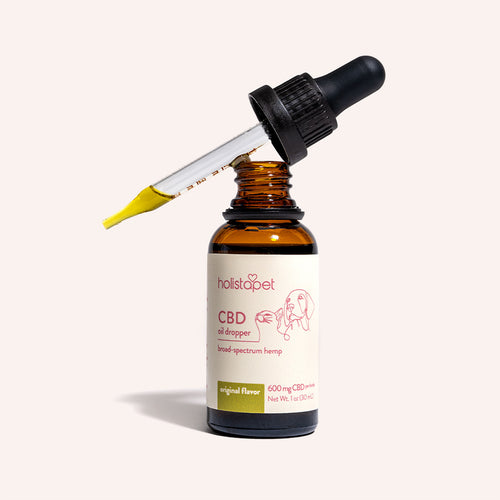 CBD Oil for Cats - Fast Acting
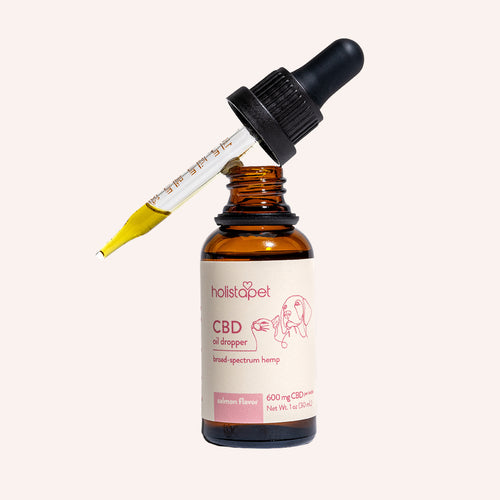 Salmon Flavored CBD Oil For Cats - Easy Dose
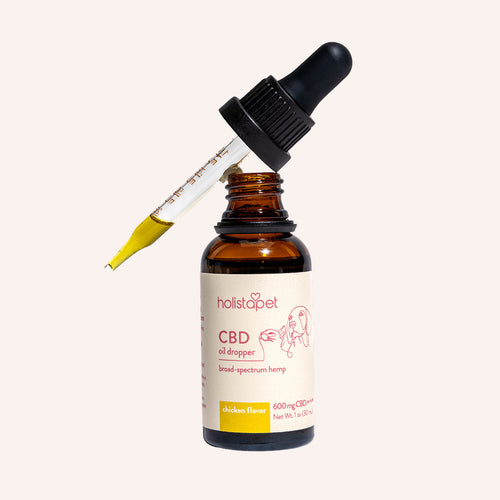 Chicken Flavored CBD Oil for Cats - Highly Rated
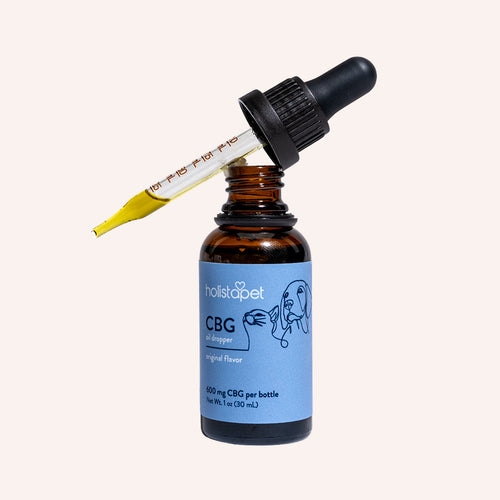 CBG Oil for Dogs and Cats - Loved by Thousands









2 comments
Mary Lou Samora
Parsley is toxic forcats!!
Mary Lou Samora
Parsley is toxic forcats!!
Leave a comment
All comments are moderated before being published.
This site is protected by hCaptcha and the hCaptcha Privacy Policy and Terms of Service apply.