

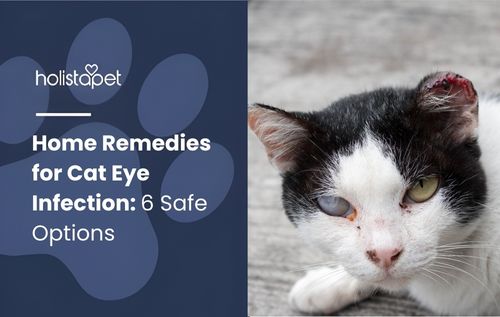
Red, watery, or sticky eyes often signal a cat eye infection. Many pet owners want safe ways to ease discomfort at home.
A few gentle remedies can clean the eye area, reduce irritation, and support healing. The right approach helps protect a cat’s eyes and keeps the problem from getting worse.
What Causes Eye Infections in Cats?

Cat eye infections develop from viruses, bacteria, irritants, injuries, or tear duct problems. These triggers inflame the eye and cause redness, discharge, swelling, or squinting.
Viral Infections
Viruses cause many eye infections in cats.
-
Feline herpesvirus type 1 often triggers conjunctivitis and watery eyes.
-
The virus spreads through close contact with infected cats and shared items.
- Researchers at the Cornell Feline Health Center identify feline herpesvirus type 1 (FHV-1) as the leading infectious cause of conjunctivitis in cats, noting that most affected cats will experience at least one episode in their lifetime.
Bacterial Infections
Bacteria can infect the eye directly or appear after irritation.
-
Common bacteria include Chlamydia felis and Mycoplasma.
-
These infections often produce thick yellow or green discharge.
- Kittens face higher risk due to weaker immune defenses.
Allergies and Environmental Irritants
Irritants can inflame the eye and allow microbes to grow.
-
Dust, smoke, and strong cleaning products.
-
Pollen and seasonal allergens.
- Fine particles from some cat litters.
The American Veterinary Medical Association explains that irritation weakens eye defenses and allows infection to develop.

Eye Injuries
Scratches or trauma expose the eye to infection.
-
Rough play with other animals.
-
Contact with sharp debris or plant material.
- Excessive scratching near the eye.
Damage to the cornea creates an entry point for bacteria.
Blocked Tear Ducts
Poor tear drainage allows microbes to multiply.
-
Tears collect and create constant moisture around the eye.
-
Bacteria grow easily in damp areas.
- Flat faced breeds often experience this issue due to facial structure.
What are the Common Symptoms of Feline Eye Infections?
Eye infections in cats usually show clear signs around the eye area. Redness, discharge, swelling, and frequent squinting often signal that the eye has irritation or infection.
-
Red or inflamed eye tissue
-
Watery eyes or excessive tearing
-
Yellow, green, or thick eye discharge
-
Squinting or frequent blinking
-
Swelling around the eye or eyelids
-
Crust or sticky buildup near the corners of the eye
-
Pawing or rubbing the eye due to discomfort
-
Sensitivity to light
-
Cloudy appearance on the eye surface
- Partially closed eye or visible irritation
- Sneezing or nasal discharge
Are There Home Remedies for Cat Eye Infections?
Yes. Several gentle home remedies can help soothe mild cat eye infections and keep the eye area clean. These methods focus on removing debris, reducing irritation, and supporting recovery. Serious infections still require veterinary care.
|
Remedy |
Purpose |
Key Benefit |
Basic Use |
|
Saline rinse |
Flush irritants |
Removes debris safely |
Gently rinse or wipe eye area |
|
Warm compress |
Reduce swelling |
Loosens crust and discharge |
Apply warm cloth to closed eye |
|
Eye area cleaning |
Maintain hygiene |
Limits bacterial buildup |
Wipe eye corners daily |
|
Chamomile wash |
Calm irritation |
Mild soothing effect |
Apply cooled infusion with pad |
|
Immune support |
Improve recovery |
Strengthens body defenses |
Balanced diet and low stress |
|
CBD support |
Promote comfort |
May help regulate inflammation |
Use pet CBD products such as Holistapet oils or treats |

1. Warm Saline Eye Rinse
A mild saline solution helps flush irritants and loosen discharge around the eye.
-
Mix about 1 cup of boiled, cooled water with a small pinch of salt.
-
Dip a clean cotton pad in the solution.
-
Gently wipe from the inner corner of the eye outward.
-
Use a fresh pad for each wipe to avoid spreading bacteria.
Veterinary ophthalmology specialists recommend sterile saline rinses to flush irritants from the eye because saline removes debris without damaging sensitive ocular tissue. A peer-reviewed article published in Frontiers in Veterinary Science (PMC) outlines supportive eye care protocols, including gentle irrigation, as a first-line approach in feline ulcerative keratitis management.
2. Warm Compress
A warm compress helps reduce swelling and soften crust around the eye.
-
Soak a clean cloth in warm water.
-
Wring out excess liquid.
-
Hold the cloth gently over the closed eye for about one minute.
-
Repeat two to three times daily.
Warm moisture improves circulation in the eyelid tissue and helps loosen dried discharge.
3. Clean the Eye Area Regularly
Routine cleaning prevents bacteria from building up around the eye.
-
Use a soft damp cotton pad.
-
Wipe away discharge from the inner corner outward.
-
Trim long fur around the eyes if it traps moisture.
- Always use separate pads for each eye.
4. Chamomile or Herbal Eye Wash
Some herbal infusions may soothe mild irritation.
-
Brew chamomile tea and allow it to cool completely.
-
Soak a cotton pad in the liquid.
-
Gently wipe the outer eye area.
- Avoid letting tea particles enter the eye.
Chamomile contains natural compounds with mild anti-inflammatory properties that may calm irritated tissue.
5. Support Immune Health
Strong immune function helps the body fight infections more effectively.
-
Provide balanced nutrition and fresh water.
-
Reduce stress in the cat’s environment.
- Maintain clean living areas.
Veterinary researchers often link immune health with faster recovery from minor infections.
6. CBD Based Support
Some pet owners use CBD products to support overall wellness during recovery.
-
CBD interacts with the endocannabinoid system, which helps regulate inflammation and immune responses.
-
A 2020 paper published in Frontiers in Veterinary Science examined hemp-derived cannabinoids in veterinary medicine and noted that the endocannabinoid system, present in cats, dogs, and other companion animals, may play a role in regulating inflammation and immune responses.
- Brands such as Holistapet produce pet CBD oils and treats formulated specifically for cats and dogs. The company uses hemp-derived CBD and third-party testing to verify product purity and cannabinoid content.
These products do not treat infections directly, but some owners use them to support comfort and general wellness during healing. Pet owners who want to learn this options further can review a detailed guide on CBD for cats, which explains how hemp-derived products may support overall wellness in companion animals.
Related Page: CBD for Cats
When Do I Go to the Vet for My Cat’s Eye Infection?

Visit a veterinarian if a cat’s eye infection becomes severe or fails to improve within 24 to 48 hours. Supporting your cat with a healthy and balanced diet can also help strengthen their immune system, allowing them to recover faster and maintain better overall eye health.
Certain symptoms require immediate veterinary care.
-
Thick yellow or green discharge that continues to build up
-
Eye swelling or the eye remains closed
-
Cloudiness or a film over the eye surface
-
Visible injury, scratch, or bleeding
-
Severe redness that spreads around the eye
- Sudden changes in eye shape or size
Behavior changes can also indicate serious discomfort.
-
Constant pawing or rubbing at the eye
-
Sensitivity to light
-
Loss of appetite or reduced activity
- Hiding or avoiding normal behavior
The American Veterinary Medical Association notes that untreated infections can lead to corneal ulcers and permanent vision damage. A veterinarian can diagnose the cause and provide treatments such as medicated drops or antibiotics.
Take Care of Your Cat’s Eyes Right Away
Act quickly when signs of a cat eye infection appear. Gentle home care can clean the eye area and reduce irritation in mild cases. Seek veterinary care if symptoms worsen or fail to improve within a short time.
Early action helps protect your cat’s vision and comfort.
Frequently Asked Questions
Can a cat eye infection heal on its own?
Mild irritation may improve with proper cleaning and monitoring. Infections caused by bacteria or viruses often require veterinary treatment to prevent complications.
Can humans catch eye infections from cats?
Most feline eye infections do not spread to humans. Some bacteria such as, Chlamydia felis can rarely transmit through close contact, so washing hands after handling an infected cat helps reduce risk.
How long does a cat eye infection usually last?
Mild cases may improve within a few days with proper care. Infections that involve bacteria or viruses can last one to two weeks and often require medication from a veterinarian.
Can indoor cats develop eye infections?
Yes. Indoor cats can still develop infections from dust, allergens, minor injuries, or underlying viral conditions.
Should a cat’s eye be covered during an infection?
Avoid covering the eye. The area needs airflow and regular cleaning. Covering the eye may trap moisture and allow bacteria to grow.
 CBD Oil for Cats - Fast Acting
 Salmon Flavored CBD Oil For Cats - Easy Dose
 Chicken Flavored CBD Oil for Cats - Highly Rated
 CBG Oil for Dogs and Cats - Loved by Thousands











3 comments
Faye
Over 60 years ago an old veterinarian told me to mix boric acid powder in a little warm water and soak a cotton ball in it. Squeeze out excess liquid and hold warm cotton ball on the infected eye. Do this several times and repeat about three times a day.It always cured the issues my cats had at the time.
Perry
It says 6 remedies, at best there’s 2, the L-lysine and the water and wiping, which is repeated. Everything else seems to be a cause to an eye infection. Hmmmm.
carmen martinez
kitty eye
Leave a comment
All comments are moderated before being published.
This site is protected by hCaptcha and the hCaptcha Privacy Policy and Terms of Service apply.