


Constant scratching, licking, and restless behavior often point to one thing: itchy skin. Many cats deal with this discomfort due to allergies, parasites, or dry skin.
Simple home remedies, along with cbd cat treats, can help soothe irritation and support healthier skin without adding stress to a cat’s routine.
Why Is My Cat’s Skin Itchy?

Itchy skin in cats usually comes from irritation, infection, or an underlying health issue. The cause often shows up through frequent scratching, hair loss, overgrooming, or small scabs on the skin.
Common triggers include:
- Fleas and parasites that bite and irritate the skin
- Allergies to food, dust, pollen, or household products
- Dry skin caused by low humidity or poor nutrition
- Fungal or bacterial infections that lead to inflammation
- Matted or dirty fur that traps debris and moisture
Some less obvious causes also play a role:
- Stress or anxiety that leads to excessive grooming
- Hormonal imbalances that affect skin health
- Sensitivity to grooming products or shampoos
Identifying the cause matters because the right remedy depends on what triggers the itching.
What are the Best Home Remedies for a Cat’s Itchy Skin?

Relief comes from simple remedies that target irritation, dryness, and inflammation. The most effective options include oatmeal, natural oils, diet support, and calming solutions that address both skin and behavior.
|
Remedy |
Main Benefit |
Best For |
How Fast It Works |
Notes |
|
Oatmeal |
Soothes irritation |
Allergies, sensitivity |
Fast |
Vet recommended option |
|
Coconut Oil |
Hydrates skin |
Dry patches |
Moderate |
Use sparingly |
|
Aloe Vera |
Cools skin |
Redness |
Fast |
Use pure gel only |
|
Omega Fatty Acids |
Supports skin health |
Long term issues |
Slow |
Works through diet |
|
Flea Control |
Eliminates trigger |
Parasites |
Moderate |
Prevents recurrence |
|
Chamomile |
Calms irritation |
Mild cases |
Moderate |
Gentle topical use |
|
CBD |
Supports calm and balance |
Stress related itching |
Moderate |
Use pet formulated products |

1. Oatmeal Baths for Instant Soothing
Oatmeal calms inflamed skin and reduces itching quickly. Many veterinarians recommend it for mild irritation.
- Add finely ground oatmeal to lukewarm water
- Gently apply or rinse over affected areas
- Keep sessions short to avoid stress
Research published in the Journal of the American Veterinary Medical Association reports that oatmeal’s colloidal properties help calm irritated skin and reduce itching in dogs and cats affected by dermatitis.
2. Coconut Oil for Moisture and Repair
Dry skin often worsens itching. Coconut oil restores moisture and supports healing.
- Apply a small amount directly to irritated spots
- Optionally mix a tiny portion into food
- Monitor for overuse to avoid greasy buildup
Its medium chain fatty acids help soothe and protect the skin barrier.
3. Aloe Vera for Cooling Relief
Aloe vera provides a cooling effect that calms irritated skin fast.
- Use pure, fragrance free aloe gel only
- Apply a thin layer on itchy areas
- Avoid ingestion and open wounds
It contains vitamins and anti inflammatory compounds that support skin recovery.
4. Omega Fatty Acids Through Diet
Omega‑3 and omega‑6 fatty acid supplements from high‑quality fish oil boost skin barrier function and help reduce inflammation in cats with dry, itchy skin, as shown by veterinary dermatologists.
Skin health improves from the inside with proper nutrition.
- Add fish oil or omega supplements to meals
- Choose high quality protein sources
- Avoid common allergens like fillers
Clinical studies show that omega‑3 fatty acids support skin barrier function and may reduce markers of inflammation in cats with allergic skin conditions.
5. Flea Control and Environmental Care
Use a veterinary‑approved flea preventive such as Revolution Plus or Credelio because these products kill and prevent flea infestations safely and effectively in cats, reducing itchy skin triggered by flea allergy dermatitis.
Even one flea bite can trigger intense itching.
- Use a flea comb daily
- Wash bedding regularly
- Vacuum frequently to remove hidden eggs
Veterinary guidelines warn that untreated scratching can lead to infections, so early control matters.
6. Chamomile or Herbal Compress
Herbal solutions help calm irritated skin gently.
- Brew chamomile tea and let it cool
- Apply with a soft cloth to itchy areas
- Use once daily for mild cases
These natural compounds help reduce inflammation and discomfort.
7. CBD Support for Stress Related Itching
Some cats scratch due to stress or anxiety rather than physical irritation. Preliminary research suggests that CBD interacts with the endocannabinoid system, which modulates stress, inflammation, and immune responses in mammals. Controlled studies in cats remain limited, so owners should proceed cautiously.
According to a review of CBD effects in companion animals, CBD shows potential for calming behavior and supporting overall skin balance, but more clinical studies are needed to confirm these benefits (CBD effects in companion animals research review).
A study from the University of Illinois College of Veterinary Medicine notes that while CBD may help regulate stress and inflammation, veterinarians emphasize that current evidence is preliminary and should not replace veterinary guidance (university veterinary review on CBD for pets).
Pet-safe CBD oil or treats should be used only in proper doses and combined with environmental enrichment to support calm behavior and reduce overgrooming.
Related Post: Home Remedies for Fleas on Cats [Helpful Tips Inside!]
What are Vet Recommended Treatments for Feline Itchy Skin?

Veterinarians use targeted treatments that go beyond basic home care to control persistent itching and prevent complications. These options focus on underlying conditions and long term management.
- Allergy testing: Identifies specific environmental triggers to guide precise treatment.
- Cyclosporine therapy: Suppresses immune responses linked to chronic allergic skin conditions.
- Topical prescription creams: Deliver anti inflammatory and anti itch relief directly to affected areas.
- Hormone therapy: Corrects imbalances that contribute to skin problems.
- Pain relief medication: Reduces discomfort in cases with inflamed or damaged skin.
- Skin scrapings and lab tests: Detect mites or underlying conditions that require targeted care.
- Elizabethan collars: Prevent further injury from excessive scratching or licking.
How Can I Help My Cat Recover from Itchy Skin?
Recovery depends on consistent care, a clean environment, and habits that support skin healing. Small daily actions help reduce irritation and prevent setbacks.
- Keep the coat clean and tangle free: Brush regularly to remove debris and improve airflow to the skin.
- Maintain a stable indoor environment: Reduce dust, smoke, and strong chemicals that can trigger irritation.
- Use gentle grooming products only: Choose fragrance free and pet safe formulas to avoid reactions.
- Provide a balanced, high quality diet: Support skin repair with proper nutrients and hydration.
- Limit exposure to known irritants: Remove or avoid materials that worsen sensitivity.
- Monitor scratching and behavior: Track changes to catch flare ups early.
- Create a low stress routine: Keep feeding, play, and rest times consistent to support overall health.
- Follow veterinary guidance closely: Stick to prescribed treatments and check progress regularly.
Skin Care is a Necessity for Felines Too
Itchy skin improves with the right care, consistent habits, and proper treatment when needed. Simple remedies and early action help keep cats comfortable and prevent the problem from getting worse.
Frequently Asked Questions
Do weather changes affect a cat’s skin?
Yes. Dry air and seasonal shifts can strip moisture from the skin and trigger irritation.
How often should owners groom a cat with itchy skin?
Brush several times a week to remove buildup and support skin health without overgrooming.
Can indoor cats develop itchy skin?
Yes. Dust, cleaning products, and food sensitivities can cause irritation even without outdoor exposure.
Which cat breeds show more skin sensitivity?
Breeds with delicate skin or dense coats often experience irritation more often.
When should owners bring a cat to the vet for itching?
Seek help if scratching lasts more than a few days, worsens, or leads to hair loss or wounds.
Does dehydration affect a cat’s skin condition?
Yes. Low water intake can lead to dryness and increase discomfort.
Do air purifiers reduce skin irritation in cats?
Yes. Cleaner air reduces allergens that can trigger itching indoors.
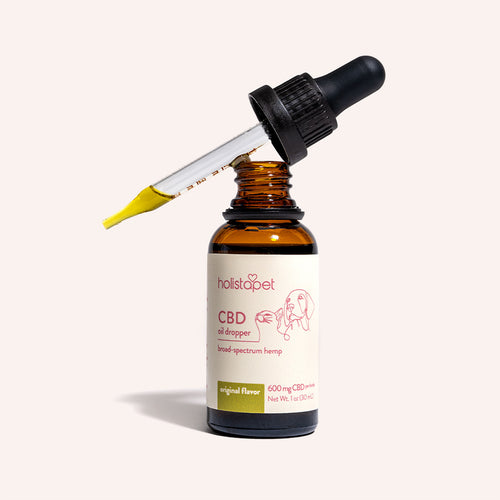 CBD Oil for Cats - Fast Acting
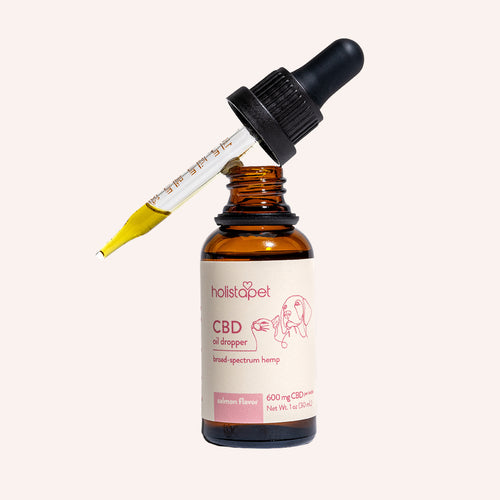 Salmon Flavored CBD Oil For Cats - Easy Dose
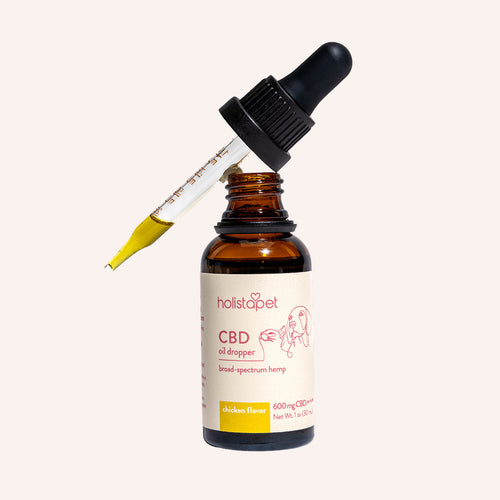 Chicken Flavored CBD Oil for Cats - Highly Rated
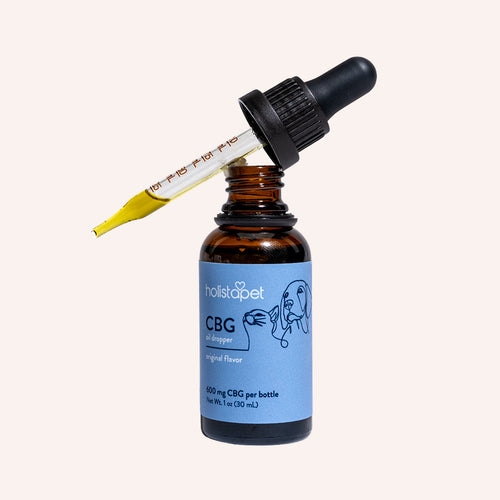 CBG Oil for Dogs and Cats - Loved by Thousands









2 comments
Laura Blanton
I am also going to try home remedy. The camomile and lavender in spray bottle. Wish us luck.🐱
Cat
Thank you so much! I grow a lot of the herbs suggested so I’m hopeful to be able to give my poor itchy kitty relief soon. I’m going to be trying a topical, diluted wash of chamomile, aloe, peppermint, rosemary and oregano. Should do the trick for getting rid of the damn fleas and soothing his skin at the same time. Hoping he sees relief soon! Thanks again!
Leave a comment
All comments are moderated before being published.
This site is protected by hCaptcha and the hCaptcha Privacy Policy and Terms of Service apply.