


Cat hair loss often starts with simple issues such as stress, skin irritation, or poor nutrition. Holistic home care that focuses on diet, grooming, and skin support can help restore a healthy coat and improve a cat’s overall comfort.
What is Cat Hair Loss?
Cat hair loss occurs when a cat sheds or loses fur in a way that leaves thin areas, bald spots, or visible skin. Common causes include parasites, allergies, skin infections, stress, and poor nutrition.
What Causes Hair Loss in Cats?
Identifying the cause of feline hair loss helps guide the right home care and prevents further coat damage.
-
Parasites: Fleas, mites, and lice irritate the skin and trigger intense scratching that leads to fur loss. Veterinary dermatology studies identify flea allergy dermatitis as one of the most common causes of feline hair loss.
-
Allergies: Food ingredients, dust, pollen, or cleaning products can irritate the skin and cause itching that leads to overgrooming and bald patches.
-
Skin Infections: Fungal infections such as ringworm damage hair follicles and create circular areas of hair loss. The Cornell Feline Health Center notes that ringworm commonly causes patchy fur loss and scaly skin in cats.
-
Stress or Anxiety: Cats often lick or chew their fur when they feel stressed, which leads to thinning coats or bald spots. Researchers in the Journal of Feline Medicine and Surgery link excessive grooming behavior to environmental stress in cats.
-
Hormonal Imbalance: Conditions involving the thyroid or adrenal glands can disrupt normal hair growth and cause coat thinning.
- Poor Nutrition: A diet low in protein, essential fatty acids, or key vitamins weakens hair follicles and leads to shedding or brittle fur. The American Association of Feed Control Officials emphasizes that adequate protein supports healthy skin and coat in cats.
What are Some Helpful Home Remedies for Cat Hair Loss?

Hair loss in cats often improves with simple home care that supports skin health, reduces irritation, and improves nutrition. These remedies focus on common triggers such as stress, allergies, parasites, and poor coat care.
|
Home Remedy |
Key Benefit |
When It Helps Most |
|
High quality diet |
Supports strong hair follicles and skin health |
Nutritional hair loss |
|
Omega fatty acids |
Improves coat strength and hydration |
Dry skin or brittle fur |
|
Regular grooming |
Removes loose fur and spreads natural oils |
Mild shedding and matting |
|
Stress reduction |
Prevents excessive grooming behavior |
Anxiety related hair loss |
|
Parasite control |
Stops itching and skin irritation |
Flea or mite infestations |

1. Improve Diet Quality
Nutrition directly affects coat strength and hair growth. Cats need high protein and essential fatty acids to support healthy follicles.
-
Choose high protein foods: Cats require animal based protein to maintain skin and fur health.
-
Add omega fatty acids: Omega 3 and omega 6 support skin hydration and coat strength.
-
Provide balanced nutrients: Vitamins A, E, and biotin help maintain skin integrity and hair growth.
2. Support Skin With Natural Supplements
Certain natural supplements help maintain skin balance and reduce irritation that leads to hair loss.
-
CBD wellness support: Some pet owners use CBD products to support calm behavior and skin comfort through the ECS. Holistapet offers pet CBD products that many owners include in wellness routines.
-
Omega supplements: Fish oil supplements help strengthen fur and support skin hydration.
-
Probiotics: Gut health influences skin condition and immune response.

3. Maintain Regular Grooming
Routine grooming removes loose fur and helps distribute natural skin oils across the coat.
-
Brush regularly: Brushing removes dead hair and prevents matting that can irritate skin.
-
Check the skin during grooming: Early detection of redness, parasites, or irritation helps prevent worsening hair loss.
-
Use gentle grooming tools: Soft brushes protect sensitive skin.
4. Reduce Stress and Overgrooming
Stress often triggers excessive licking that leads to bald spots or thinning fur.
-
Create a calm environment: Provide quiet resting areas and stable routines.
-
Offer enrichment: Interactive toys and climbing spaces reduce boredom and stress.
-
Use calming support: Holistapet calming products may help support relaxation in anxious pets.
5. Address Parasites Naturally
Parasites frequently trigger itching and fur loss. Early control prevents severe skin irritation.
-
Check for fleas and mites: Inspect skin and fur during grooming sessions.
-
Maintain a clean home environment: Wash bedding and vacuum frequently.
-
Use vet approved flea prevention: Preventing infestations protects coat health.
Related Article: Home Remedies for Fleas on Cats [Helpful Tips Inside!]
When Do I Go to the Vet for Feline Hair Loss?

Cat hair loss requires veterinary care when home treatment does not improve the condition or when symptoms suggest infection, parasites, or illness. A veterinarian can identify the cause and provide proper treatment.
Seek veterinary help in these situations:
-
Rapid hair loss: Sudden or spreading bald patches may indicate mites, ringworm, or severe allergies.
-
Red or inflamed skin: Irritated skin often signals infection or allergic reactions.
-
Persistent scratching or licking: Constant grooming may result from parasites or skin disease.
-
Scabs or open sores: Skin damage can develop from infections that require medication.
-
Behavior changes: Low energy, hiding, or reduced appetite may signal underlying health issues.
-
Hair loss with other symptoms: Weight changes, skin odor, or swelling may suggest hormonal or systemic problems.
A veterinarian may perform skin scrapings, fungal tests, or blood work to confirm the cause and guide treatment. Early diagnosis prevents worsening skin damage and supports coat recovery.
Related Article: 8 Ways to Give Your Cat CBD Oil [Tips and Tricks]

Hair Loss is Serious, Even for Cats
Cat hair loss often improves with proper nutrition, grooming, stress management, and parasite control. Consistent home care supports healthy skin and coat growth. Seek veterinary care if symptoms worsen or fail to improve.

Frequently Asked Questions
Can seasonal shedding look like hair loss in cats?
Yes. Seasonal shedding can cause noticeable fur loss, especially during warmer months. The coat usually remains even with no bald patches or irritated skin.
Can indoor cats experience hair loss?
Yes. Indoor cats can develop hair loss from allergies, stress, poor diet, or skin infections. Environmental allergens such as dust or cleaning products can also trigger skin irritation.
Do certain cat breeds experience hair loss more often?
Some breeds show higher risk. Siamese, Devon Rex, and Sphynx cats often develop skin sensitivity or grooming related hair thinning.
Can dehydration affect a cat’s coat and hair growth?
Yes. Low water intake can lead to dry skin and brittle fur. Proper hydration supports skin elasticity and coat strength.
Can excessive bathing cause hair loss in cats?
Yes. Frequent bathing can strip natural oils from the skin. Dry skin can lead to irritation and fur breakage. Most cats need minimal bathing unless a vet recommends it.
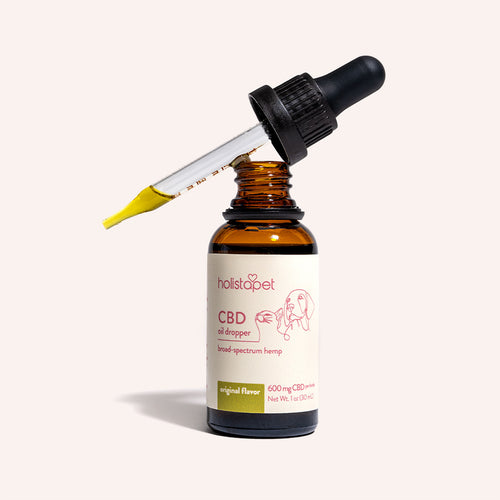 CBD Oil for Cats - Fast Acting
 Salmon Flavored CBD Oil For Cats - Easy Dose
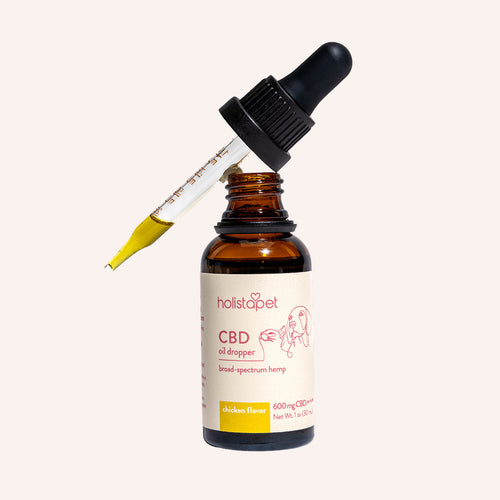 Chicken Flavored CBD Oil for Cats - Highly Rated
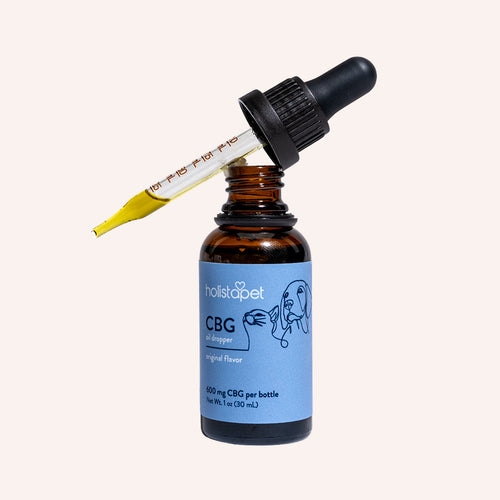 CBG Oil for Dogs and Cats - Loved by Thousands









Leave a comment
All comments are moderated before being published.
This site is protected by hCaptcha and the hCaptcha Privacy Policy and Terms of Service apply.