

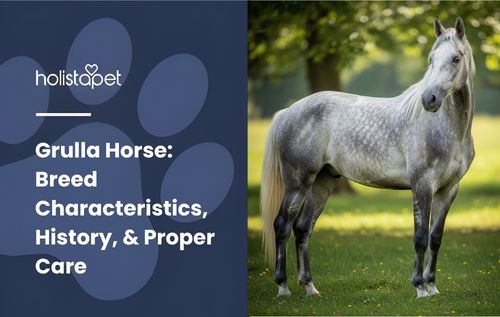
A Grulla horse shows a smoky slate coat color with clear primitive markings like a dorsal stripe and leg barring. The dun gene dilutes a black base color and creates this rare appearance.
Many horses display similar shades, but few match a true grulla. Clear knowledge of these characteristics helps owners and breeders care for and identify this unique horse.
What is a Grulla Horse?
A Grulla horse refers to a horse with a black base color modified by the dun gene, which dilutes the body color into a smoky or mouse tone while keeping black points on the mane, tail, and lower legs.
Researchers in equine genetics, including studies cited by the American Quarter Horse Association (AQHA), explain that this coat color forms when a horse inherits one dun factor on a black genetic base. This combination also produces primitive markings such as a distinct dorsal stripe and leg barring.
Is Grulla and Grullo the Same?
Grulla and grullo refer to the same coat color, with the difference rooted in regional language and usage. Many breeders and organizations in the United States, including those linked to AQHA horses, use grulla, while grullo appears more often in Spanish influenced contexts.
Both terms describe a horse with a black base color affected by the dun gene, producing the same smoky body color and primitive markings. The meaning stays consistent despite the variation in spelling.
What are Some Common Misconceptions with the Grulla?
Many people confuse a grulla horse with other coat color types due to its muted shades and subtle markings.
- Mistaken for gray: Some assume a grulla will lighten with age like gray horses, but the color stays stable over time.
- Confused with smoky black: Both share a dark body color, yet smoky black lacks the dun factor and primitive markings.
- Mixed up with blue roan: A blue roan shows white hairs blended through the coat, while a grulla has a more even slate tone without that pattern.
- Compared to red dun: Red dun comes from a sorrel base color, not black, which creates a lighter and warmer appearance.
- Misidentified as buckskin: Buckskin shows a bay base with a golden body color, not the cooler mouse tone seen in grulla.
-
Overlooked markings: Some miss the distinct dorsal stripe, leg barring, and other primitive markings that define a true grulla.
What is the History of the Grulla Horse?
The Grulla horse traces back to early horse populations where the dun gene appeared as a natural survival trait, shaping its unique color and markings.

Origins in Ancient Horse Populations
Early wild horses carried the dun factor, which helped them blend into dry and open landscapes.
Studies in equine genetics, including research referenced by the University of California Davis Veterinary Genetics Laboratory, show that this gene played a role in camouflage and survival.
The muted body color and primitive markings helped horses avoid predators in harsh environments.
Development in Iberian and Spanish Horses
Spanish horses carried these genetics into domesticated lines. As learners traveled to the Americas, they brought horses with them, including those that carried dun influenced traits.
Historical records from Spanish breeding programs note the presence of these color patterns in early stock horses.
Expansion in North American Breeds
Grulla coloring became more visible in working horses across North America, especially in ranch settings.
The American Quarter Horse Association recognizes this coat color in AQHA horses, where breeders valued durability and adaptability over appearance, yet the color remained present through selective breeding.
Modern Recognition and Breeding
Today, breeders focus on preserving this rare coat while maintaining strong performance traits. Genetic testing now helps confirm the presence of specific genes that produce grulla foals.
Organizations and breeders in regions like California and Minnesota continue to track and promote this color through responsible breeding programs.
What are the Characteristics of Grulla Horses?
Grulla horses show distinct physical and genetic traits that set them apart from other horses with similar color variations.
|
Characteristic |
Description |
Key Detail |
Why It Matters |
|
Coat color |
Smoky or mouse toned body color |
Ranges from slate to dark gray like shades |
Helps identify a true grulla at a glance |
|
Base color |
Black base color |
Modified by the dun gene |
Core genetic requirement for grulla |
|
Dun factor |
Dilution gene effect |
Lightens the body while keeping points dark |
Creates the signature contrast |
|
Mane |
Dark to black |
May show slight silver or lighter strands |
Adds contrast to the coat |
|
Tail |
Dark and full |
Often solid black with minimal variation |
Matches black points |
|
Legs |
Dark lower legs |
Strong contrast from body color |
Common trait across dun horses |
|
Leg barring |
Horizontal stripes on legs |
Sometimes faint, sometimes bold |
Key primitive marking |
|
Dorsal stripe |
Dark stripe along the back |
Distinct dorsal stripe runs from mane to tail |
Most consistent identifying feature |
|
Primitive markings |
Includes shoulder stripes and face markings |
Vary in visibility |
Confirms dun influence |
|
Shades |
Can vary widely |
From lighter mouse to deep dark tones |
Shows natural variation within grulla |
|
White hairs |
Minimal presence |
Not a roan pattern |
Helps avoid confusion with roan |
|
Overall pattern |
Even body color with defined markings |
No heavy blending like gray |
Maintains a clean, solid look |
|
Genetics |
Controlled by specific genes |
Requires a black base with a dilution factor |
Ensures accurate classification |
|
Age effect |
Color stays stable over time |
Does not fade like gray |
Important for long term identification |
How Do I Take Care of a Grulla Horse?
Proper care for a Grulla horse focuses on consistent nutrition, coat maintenance, and overall health support suited for active horses.
Nutrition and Feeding
A balanced diet supports strong condition and coat quality.
- Provide high quality forage as the main food source
- Add grains or supplements based on workload and age
- Ensure constant access to clean water
- Consult a veterinarian for tailored feeding plans
Coat and Skin Care
Regular grooming keeps the coat clean and highlights natural markings.
- Brush often to remove dirt and loose hair
- Bathe when needed to maintain coat clarity
- Protect from excessive sun exposure to prevent color fading
- Check skin for dryness or irritation
Exercise and Activity
Routine movement keeps horses healthy and mentally engaged.
- Allow daily turnout in a safe space
- Use activities like trail riding to build stamina
- Adjust workload based on age and fitness level
- Monitor for signs of fatigue or stress

Health and Wellness Support
Preventive care reduces long-term health risks. The American Association of Equine Practitioners states that regular dental care, vaccination, and parasite control form the foundation of horse health.
- Schedule routine veterinary checkups
- Maintain hoof care every six to eight weeks
- Follow a consistent vaccination program
- Watch for changes in behavior or appetite
Stress Relief and Recovery
Natural supplements can support relaxation and recovery after activity.
- Some horse owners use veterinarian-approved calming supplements after strenuous activity to support recovery and maintain normal movement.
- Certain equine calming supplements may support recovery after physical workload when veterinarians recommend their use.
- Supplements should support a broader care routine rather than replace veterinary guidance.
- Monitor response and adjust usage as needed
Guidance from organizations such as the American Association of Equine Practitioners recommends discussing any supplement use with an equine veterinarian before adding it to a care routine.
Grulla Horses: Dark, Mysterious, and Lovable
Grulla horses combine striking color, strong genetics, and reliable performance, making them stand out among horses. Their unique traits, steady temperament, and versatility continue to attract breeders, riders, and enthusiasts who value both appearance and function. Breed registries such as the American Quarter Horse Association provide additional resources that help confirm coat color genetics and support accurate identification decisions.

Frequently Asked Questions
Are Grulla horses rare?
Yes. The coat color called grulla appears less often than other shades because it requires a specific mix of genes and other genes that must align correctly.
Can a Grulla horse change color over time?
No. A grulla keeps its coat through age, though sun exposure may lead to slightly lighter tones or subtle mottling in some horses.
Do Grulla horses exist in all breeds?
No. This color appears only in breeds that carry the dun gene. It commonly shows in AQHA lines, including some stallions and mares bred for this trait.
How can breeders produce a Grulla foal?
Breeders must pair horses with the right genetics. They often test breeding stock and track results through records or a trusted site before planning a colt, filly, or yearling for sale.
Are Grulla horses good for beginners?
Yes. Many show calm behavior and a steady mindset, which can lead to a good match for new riders. Their balanced traits appeal to a wide range of skill levels.
Do Grulla horses require special grooming products?
No. Standard grooming works well. A clean routine helps the coat stay clear, which makes it easier to see unique aspects like markings and overall pattern.







1 comment
Lisa
A grulla is a black dun.
Leave a comment
All comments are moderated before being published.
This site is protected by hCaptcha and the hCaptcha Privacy Policy and Terms of Service apply.