

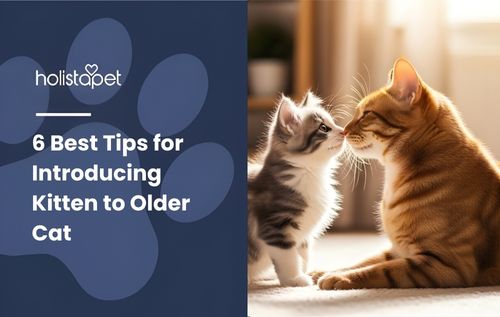
Introducing a new kitten to an older cat often feels stressful, yet a calm and structured approach helps both animals adjust smoothly, as discussed in many helpful guides for cat owners. The right steps reduce tension, prevent aggression, and support the resident cat as it learns to accept a new family member, according to guidance from the ASPCA.
How to Introduce a Kitten to an Older Cat

1. Create a separate space
Create a separate space so both cats can adjust without pressure. Keep the new kitten in a quiet room with the door closed to prevent sudden contact. This helps the resident cat feel secure while the kitten settles in.
Set up the room with essentials:
-
Litter box placed away from food and water
-
Food and water bowls kept in a consistent spot
-
Soft bedding or a blanket with the kitten’s scent
- A few toys and a scratching post
This separation allows both cats to relax, maintain normal routines, and become familiar with each other’s scent before meeting.
Pet owners should also make sure the environment is safe by removing any plants that are toxic to cats.
2. Prioritize vet visits
Schedule a vet visit before introducing cats to protect every pet in the home. A veterinarian can examine the new kitten for parasites, illness, and vaccination status before any contact with the adult cat. This precaution lowers health risks and keeps the resident cat safe during the transition.
Key reasons to book the appointment early include:
-
Confirm vaccinations and overall health
-
Screen for contagious conditions
-
Receive guidance on managing stress and behavior
Once the kitten receives medical clearance, the introduction can move forward with greater confidence and safety.
3. Introduce them slowly
Slow introductions give cats time to adjust without triggering fear or aggression. Keep the door closed at first and let both animals notice each other through scent. This step helps the older cat grow familiar with the kitten without direct contact.
Increase exposure in controlled stages:
-
Swap blankets to exchange scent between spaces
-
Practice short site swaps so each cat learns the other’s area
- Allow brief visual contact through a baby gate
This gradual method makes early hissing or growling normal while lowering the risk of escalation.
4. Be mindful of any warning signs
Some reactions feel normal during the first weeks of introducing a kitten. Clear warning signs show that the process needs more time and space.
Watch for:
-
Hissing or growling that continues without easing
-
Swatting, biting, or chasing
-
Refusing food or avoiding the litter box
- Long periods of hiding or ongoing tension
If these behaviors intensify, pause the introduction and move back to an earlier stage until both cats remain calm and relaxed.
5. Be extra patient
Every cat adjusts at a different pace, and rushing the process often creates setbacks. Some cats settle within a week, while others need several weeks before they feel comfortable around a new arrival.
Encourage calm behavior with simple habits:
-
Keep daily routines consistent for the resident cat
-
Reward relaxed interactions with praise or treats
- Give both cats rest time without forced play or contact
Steady progress builds trust and improves the chances of a smooth transition for both animals.
6. Handle aggression properly
Aggression requires calm management to keep fear from escalating. Brief hissing or swatting can happen, but repeated hostile behavior signals too much pressure. Separate the cats right away to restore calm and protect both animals.
Redirect tension with safe strategies such as toys or natural enrichment like our catnip uses guide:
-
Use a toy such as a feather wand to distract
-
Create space with a door or baby gate
- Stay calm and avoid yelling or physical interference
If aggression continues, the American Veterinary Medical Association (AVMA) recommends seeking guidance from a veterinarian or a qualified animal behavior professional.

What to Do When the Cats Aren’t Getting Along?
When cats clash, pause the introduction and return to full separation to lower stress. Reinforce calm behavior, limit visual contact, and reintroduce interaction only after both cats show relaxed body language.
If tension continues despite these steps, consult a veterinarian or behavior specialist to protect long term harmony in the home.
Best Treats to Help Cats Remain Calm
Calming treats and CBD products can support relaxed behavior during introductions, travel, vet visits, and routine changes, including options like lab-tested CBD oil for cats. Some pet owners give their cats calming supplements, including CBD-based products, as noted in NIH and PubMed studies.
|
Product |
Form |
Texture |
Flavor Options |
CBD Type |
Dosing Flexibility |
Best For |
|
HolistaPet CBD Calming Soft Chews for Cats |
Soft chew |
Soft |
Salmon |
Broad spectrum |
Moderate |
Cats that prefer soft treats |
|
HolistaPet CBD Cat Treats |
Treat |
Crunchy |
Salmon, Chicken |
Broad spectrum |
Moderate |
Cats that enjoy crunchy texture |
|
HolistaPet CBD Oil for Cats |
Oil |
Liquid |
Natural |
Broad spectrum |
High |
Cats needing flexible dosing |

HolistaPet CBD Calming Soft Chews for Cats
Soft salmon flavored chews infused with broad spectrum CBD. The tender texture works well for cats that prefer easy to chew treats.
Key ingredients:
- Broad spectrum CBD
- Salmon
- Plant based ingredients
How it works:
CBD may interact with the endocannabinoid system, which researchers believe plays a role in mood regulation and supporting balanced behavior.
Application method:
- Offer directly as a treat
- Mix into food if needed
- Follow weight based serving guidelines
Benefits:
- Soft texture
- Natural ingredients
- May help support relaxed behavior in some cats
- Suitable for daily use
HolistaPet CBD Cat Treats
Crunchy salmon or chicken flavored bites infused with broad spectrum CBD, similar to these vet-approved CBD cat treats. The firm texture suits cats that enjoy crisp treats.
Key ingredients:
- Broad spectrum CBD
- Salmon or chicken
- Grain free formula
How it works:
CBD may support emotional balance by interacting with internal systems that influence stress response.
Application method:
- Serve according to weight guidelines
- Offer as a reward
- Adjust amount as needed
Benefits:
- Crunchy texture
- No artificial additives
- Simple daily calming support
- Appealing flavor options
HolistaPet CBD Oil for Cats
Broad spectrum CBD oil designed for flexible dosing, such as this dropper wellness supplement for cats. This liquid formula works well for cats that refuse treats.
Key ingredients:
- Broad spectrum CBD
- Natural carrier oil
How it works:
The oil delivers cannabinoids that support balanced mood and calm responses during stressful moments.
Application method:
- Place drops directly into the mouth
- Mix with food
- Measure dose based on weight
Benefits:
- Precise dosing control
- Easy to mix with meals
- Natural formula
- May support calmer behavior during stressful periods
Introducing a kitten to an older cat requires time, structure, and steady guidance. A slow, thoughtful approach lowers stress levels and helps both cats develop a peaceful relationship within the same home.
Frequently Asked Questions
How long should a kitten remain in a separate room?
Keep the kitten in a separate room for several days while both cats stay calm on opposite sides of the door.
Should pet owners move food bowls closer during introductions?
Place food bowls on opposite sides of a closed door to build a positive association, then gradually move them closer as both cats grow more comfortable.
Do older cats feel jealous of a new kitten?
Older cats react to changes in routine, and that reaction can look like jealousy. In most cases, stress drives the behavior rather than rivalry.
Can owners leave cats alone together overnight?
Wait until both cats show consistent calm behavior and clear trust before leaving them unsupervised together.
When should pet owners contact a behavior specialist?
Contact a professional if aggressive behavior continues for weeks despite slow and controlled introductions.
Do kittens adjust faster than older cats?
Kittens often adapt quickly to new environments, while older cats usually need more time to feel secure.
For more trusted information on feline behavior and health, readers can explore resources like the Cornell Feline Health Topics and the TICA: Cat Breed Directory








Leave a comment
All comments are moderated before being published.
This site is protected by hCaptcha and the hCaptcha Privacy Policy and Terms of Service apply.