

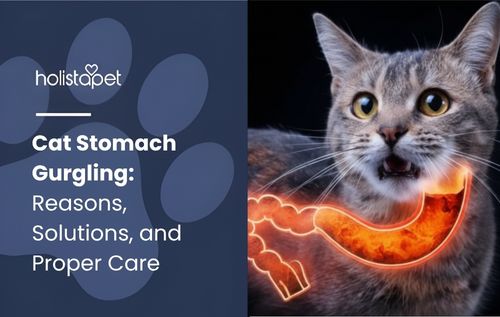
A cat’s stomach gurgle for several reasons, and most cases relate to hunger or normal digestion. At times, loud or frequent sounds can signal digestive upset, diet problems, or a health issue that needs attention.
Understanding the cause helps owners respond quickly and keep their cats comfortable and healthy.
Why is My Cat’s Stomach Gurgling?

A cat’s stomach gurgles when gas, fluid, and food move through the digestive tract. This sound, known as borborygmi, often appears during normal digestion. In some cases, it can signal hunger, dietary issues, or digestive irritation.
1. Hunger
A cat’s stomach often produces gurgling sounds when it stays empty for several hours. The digestive tract continues to contract even without food, which moves gas and fluids through the intestines and creates audible rumbling.
2. Normal Digestive Movement
Digestion naturally creates sounds as food travels through the stomach and intestines. Muscles in the digestive tract push food forward through rhythmic contractions. According to the Merck Veterinary Manual, normal intestinal motility mixes food with digestive enzymes and moves nutrients through the gastrointestinal tract, which produces audible gurgling.
3. Gas Build Up in the Digestive Tract
Gas can form when intestinal bacteria break down food during digestion. The gas shifts through the intestines and produces bubbling or rumbling noises.
Diet changes, certain ingredients, or mild digestive sensitivity can increase gas production. Cats that eat quickly may also swallow air, which can contribute to stomach noises.
4. Sudden Diet Changes
A sudden change in cat food can disturb the digestive system. The gut bacteria need time to adjust to new ingredients, and this adjustment period can cause temporary stomach noises.
Veterinarians commonly recommend gradual transitions over seven to ten days. The American Association of Feline Practitioners notes that slow diet changes help prevent digestive upset and maintain stable gut bacteria.
5. Mild Digestive Upset
Some cats develop temporary stomach irritation after eating spoiled food, table scraps, or unfamiliar items. The digestive system reacts with increased movement, which creates noticeable gurgling sounds.
Minor digestive upset may also appear with brief symptoms such as soft stool or reduced appetite. Many cats recover quickly once the stomach settles and regular feeding resumes.
6. Intestinal Parasites
Certain parasites irritate the intestinal lining and disrupt digestion. This irritation can increase intestinal activity and lead to loud stomach sounds.
Roundworms, hookworms, and giardia commonly affect cats. The Cornell Feline Health Center explains that parasites often cause digestive symptoms such as diarrhea, weight loss, and increased intestinal noise in infected cats.
7. Food Intolerance or Sensitivity
Some cats struggle to digest certain ingredients. The digestive tract reacts by producing excess gas and increased intestinal movement.
Common triggers include dairy products, specific proteins, or artificial additives. When intolerance develops, cats may show stomach rumbling along with bloating, vomiting, or loose stool. According to VCA Animal Hospitals, common dietary triggers for cats include dairy, beef, fish, and artificial additives, all of which can cause gas, loose stool, and audible intestinal noise.
What are the Symptoms for Concern When a Cat's Stomach is Gurgling?
A cat’s stomach can gurgle without causing problems, but certain symptoms can signal digestive illness or a medical issue. Immediate attention becomes important when stomach noises appear with other unusual physical or behavioral changes.
-
Frequent vomiting: Repeated vomiting can signal digestive inflammation, infection, or an intestinal blockage.
-
Persistent diarrhea: Loose stools that last more than a day can indicate parasites, bacterial infection, or food intolerance.
-
Loss of appetite: Refusing food for an extended period may suggest stomach pain or systemic illness.
-
Lethargy or weakness: Low energy levels can indicate dehydration, infection, or internal discomfort.
-
Abdominal swelling or tenderness: A firm or painful abdomen may point to gas buildup, obstruction, or inflammation.
-
Unexplained weight loss: Gradual weight loss can occur with chronic digestive disorders or parasite infections.
-
Excessive drooling: Increased saliva often appears when a cat feels nauseated or experiences stomach irritation.
- Straining in the litter box: Difficulty passing stool can signal constipation, intestinal blockage, or severe digestive distress.
How Can I Help With Feline Stomach Gurgling?

A cat’s stomach gurgling often improves with simple care that supports digestion and gut balance. Focus on feeding habits, diet quality, hydration, and veterinary guidance when symptoms persist.
|
Situation |
Recommended Action |
Why It Helps |
|
Hunger related gurgling |
Provide small frequent meals |
Stabilizes digestion and reduces stomach contractions |
|
Diet related digestive noise |
Transition food slowly |
Allows gut bacteria to adjust to new ingredients |
|
Possible dehydration |
Increase water intake or wet food |
Supports smooth intestinal movement |
|
Stress related digestive issues |
Improve environment and routine |
Helps regulate digestive activity |
|
Suspected parasites |
Schedule veterinary testing |
Identifies infections that disrupt digestion |
|
Mild digestive discomfort |
Consider ECS supporting approaches such as CBD products designed for pets |
May help regulate inflammation and gut balance |
1. Feed Smaller and More Frequent Meals
Large meals can overwhelm a cat’s digestive system and increase intestinal movement. Smaller portions spaced throughout the day help maintain steady digestion.
-
Offer several small meals instead of one or two large servings
-
Maintain consistent feeding times to support digestive rhythm
- Use slow feeders if a cat eats too quickly
Veterinary nutritionists note that controlled portion feeding supports healthy gastrointestinal motility and reduces digestive stress.
2. Transition Food Gradually
Sudden food changes can disturb gut bacteria and lead to stomach noises. The American Association of Feline Practitioners recommends gradual diet transitions to protect digestive stability and prevent gastrointestinal upset in cats.
-
Mix small amounts of the new food with the current diet
-
Increase the new food slowly over 7 to 10 days
- Monitor stool quality and appetite during the transition
The American Association of Feline Practitioners emphasizes gradual diet changes to protect digestive stability and prevent gastrointestinal upset.
3. Support Hydration
Adequate hydration helps the digestive tract move food and waste efficiently. Dehydration can worsen digestive discomfort and increase gut noise.
-
Provide fresh water in multiple locations
-
Use water fountains to encourage drinking
- Add moisture rich foods such as wet cat food
Proper hydration supports intestinal movement and reduces digestive strain.
4. Address Digestive Stress Through the Endocannabinoid System
Digestive balance connects closely with the body’s endocannabinoid system. This biological network helps regulate appetite, inflammation, gut motility, and stress responses.
Research published in Frontiers in Veterinary Science explains that the endocannabinoid system plays a role in gastrointestinal function and inflammatory regulation in animals.
CBD interacts with this system and may support digestive balance in some pets.
-
May help regulate gut inflammation and digestive discomfort
-
May support appetite and normal gastrointestinal activity
- May help reduce stress related digestive issues
Some pet owners use plant based CBD products designed for animals.HolistaPet formulates its CBD products specifically for cats using broad-spectrum hemp extract, which removes THC while retaining beneficial cannabinoids and terpenes like myrcene and beta-caryophyllene. These terpenes work alongside CBD to support the endocannabinoid system's role in gut motility and stress regulation. Cat owners dealing with stress-related digestive gurgling often choose HolistaPet CBD Oil for Cats because the dropper format allows precise dosing based on body weight, making it easier to find the effective threshold without overloading a small cat's system.
5. Check for Parasites and Digestive Disorders
Persistent stomach gurgling may signal parasites or underlying digestive conditions. Veterinary testing helps identify the cause.
-
Schedule fecal testing when symptoms persist
-
Follow veterinarian deworming recommendations
- Monitor for additional symptoms such as diarrhea or weight loss
The Cornell Feline Health Center notes that roundworms, hookworms, and giardia frequently cause diarrhea, weight loss, and increased intestinal noise in infected cats.
6. Reduce Environmental Stress
Stress can disrupt digestion and increase intestinal movement. A stable environment helps regulate gut function.
-
Maintain consistent feeding and daily routines
-
Provide quiet resting areas
- Use enrichment activities such as toys and climbing spaces
Stress hormones can affect gastrointestinal motility, which may contribute to digestive sounds.
How Do I Prevent Stomach Gurgling for My Cat?

Consistent feeding, stable diets, and good digestive care reduce the chances of frequent intestinal noise.
-
Feed on a fixed schedule: Regular meal times keep digestive contractions predictable and reduce hunger related stomach noise.
-
Offer smaller frequent meals: Several small portions support smoother digestion and reduce excess gut movement.
-
Use highly digestible food: Quality ingredients improve nutrient absorption and reduce gas production.
-
Change diets slowly: Gradual transitions over about a week help gut bacteria adjust and prevent digestive disruption.
-
Keep water available at all times: Adequate hydration supports normal gastrointestinal motility.
-
Control fast eating: Slow feeders reduce swallowed air that can cause gas and rumbling.
-
Maintain parasite prevention: Routine deworming lowers the risk of intestinal irritation.
-
Create a low stress environment: Stable routines support healthy digestion and gut regulation.
- Monitor overall health: Regular veterinary exams help catch digestive problems early.
When Do I Go to the Vet for My Cat’s Stomach Issues?
Seek veterinary care when stomach gurgling continues for more than a day or appears with other symptoms. Occasional digestive noise can occur during normal digestion, but persistent sounds combined with physical changes can signal illness, infection, or intestinal blockage.
Contact a veterinarian promptly if stomach noises appear with any of the following signs:
-
Repeated vomiting: Ongoing vomiting can indicate inflammation, toxin exposure, or obstruction.
-
Diarrhea lasting more than 24 hours: Prolonged diarrhea increases dehydration risk and may signal infection or parasites.
-
Refusal to eat: Loss of appetite often indicates pain, nausea, or digestive disease.
-
Extreme lethargy: Low energy levels can signal dehydration or systemic illness.
-
Visible abdominal pain: Signs include hunching, guarding the stomach, or vocalizing when touched.
- Swollen or hard abdomen: This can indicate gas buildup, obstruction, or fluid accumulation.
Immediate veterinary care becomes critical in certain situations.
-
Continuous vomiting or dry heaving
-
Signs of severe dehydration such as dry gums or sunken eyes
-
Blood in vomit or stool
-
Suspected toxin ingestion
- Rapid weight loss or weakness
Veterinarians may perform fecal tests, blood work, imaging, or physical exams to identify the cause. Early diagnosis helps prevent complications and allows faster treatment for digestive disorders, parasites, infections, or intestinal blockages.
Address Cat Stomach Gurgling As Soon As You Can

Cat stomach gurgling often results from normal digestion or hunger, but persistent sounds can signal digestive upset or illness. As part of supporting your cat’s digestive health, we offer CBD cat treats that may help promote calm and overall well-being. Always pay attention to accompanying symptoms, support healthy digestion through proper care, and seek veterinary help when unusual signs appear.
Get more helpful insights on cat care here!
Frequently Asked Questions
Can a cat’s stomach gurgle after eating?
Yes. Digestion often produces sounds as food mixes with digestive fluids and moves through the intestines. Brief gurgling after meals usually reflects normal digestive activity.
Do certain cat foods cause more stomach gurgling?
Some foods can increase digestive noise if they contain ingredients that are harder for a cat to digest. Diets with excessive fillers, artificial additives, or low-quality proteins may lead to more gas production in some cats.
Can hairballs cause stomach gurgling in cats?
Yes. Hairballs can irritate the digestive tract and increase stomach movement. Cats that groom frequently may experience gurgling before passing or vomiting a hairball.
Is stomach gurgling common in kittens?
Yes. Kittens often show more digestive sounds because their gastrointestinal system continues to develop. Rapid eating and frequent feeding can also increase intestinal movement.
Can stress alone cause stomach gurgling in cats?
Yes. Stress can affect gut motility and digestion. Changes in environment, new pets, loud noises, or routine disruptions can trigger temporary digestive sounds.
Does fasting before a vet procedure cause stomach noises?
Yes. Cats often produce stomach gurgling when they fast before surgery or medical procedures. The empty stomach continues to contract, which moves gas and fluid through the digestive tract.
 CBD Oil for Cats - Fast Acting
 Salmon Flavored CBD Oil For Cats - Easy Dose
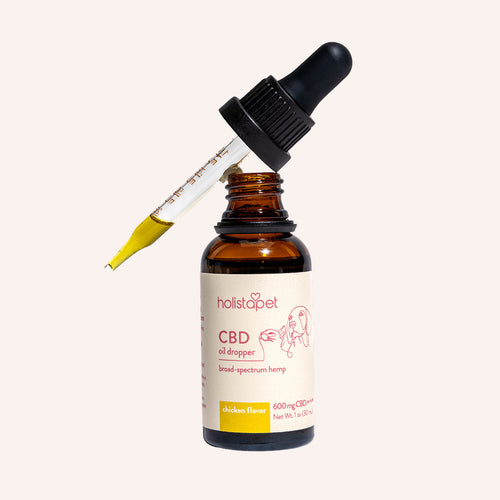 Chicken Flavored CBD Oil for Cats - Highly Rated
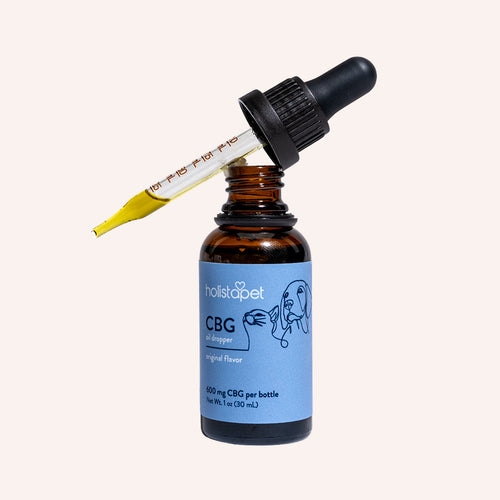 CBG Oil for Dogs and Cats - Loved by Thousands









Leave a comment
All comments are moderated before being published.
This site is protected by hCaptcha and the hCaptcha Privacy Policy and Terms of Service apply.