

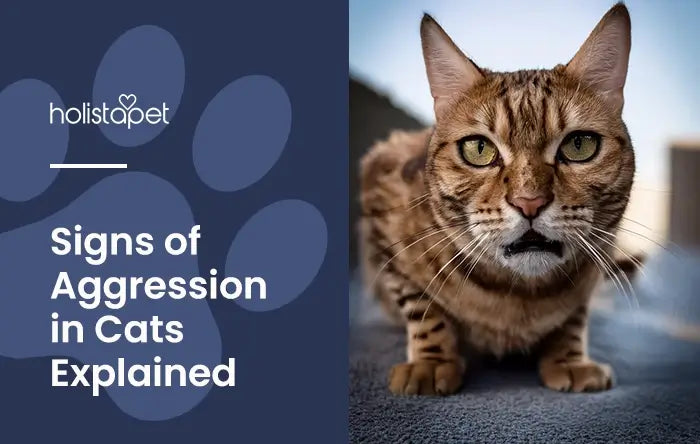
The signs of aggression in cats can feel surprising, even shocking, at first. Sweet cuddles can turn tense in seconds. That's because it's through actions that felines communicate. Every stare, ear flick, and body freeze they exhibit sends a clear message explaining how they feel in the moment.
A relaxed kitty typically moves with ease and curiosity. An aggressive one often stiffens, watches closely, and guards their space. Understanding these patterns can help cat parents respond with confidence. That confidence can then build safer homes and happier days for humans and their furry companions alike.

What Aggression in Cats Really Means
Cat aggression refers to actions that look intense, sudden, or defensive during everyday moments. These behaviors come from instinct and communication. Feline aggression may feel personal, but it rarely involves spite or anger. Cats simply react to how they feel right then, whether that's fear, tension, or confusion.
Aggressive behavior often includes hissing, swatting, charging, or blocking movement. Some felines act aggressively toward people. Others react to other cats, loud sounds, or changes at home. This is quite a common feline behavior problem that happens in both indoor and outdoor settings. By understanding what cat aggression really means, owners can respond with patience instead of panic.
Common Signs of Feline Aggression [Cat Body Language and Behavior]

Cats rarely hide their aggressive feelings. Their bodies speak first, often before any sound comes out. Watching their bodies can give clear clues about their emotional state. Keep an eye out for these signs to prevent full-on aggressive behavior:
- Hissing, Growling, or Spitting. Take these sharp sounds as clear verbal warnings. This means the cat feels cornered, startled, or uneasy and wants space immediately. Ignoring these sounds can lead to stronger reactions next.
- Swatting, Scratching, or Biting. Physical actions usually appear when earlier signs go unnoticed. Swats may start as quick taps, then grow stronger. Bites usually happen when cats feel trapped or overwhelmed.
- Flattened Ears or Ears Turned Sideways. Airplane ears show rising discomfort and alertness. It's the cat listening for danger while preparing to react. This ear position often appears before hissing or swatting.
- Dilated Pupils or Intense Staring. Wide pupils mean high alert and focus. The affected cat locks onto a perceived threat and watches closely. This stare often feels tense and unblinking.
- Arched Back and Raised Fur. This is the cat's attempt to appear larger and more intimidating. This posture signals fear or defensiveness. The raised fur along the spine adds to the warning display.
- Tail Lashing, Puffing, or Thumping. Fast tail movement shows irritation and growing frustration. A puffed tail signals fear mixed with tension. Thumping often appears when patience runs thin.
- Stiff Body Posture or Freezing in Place. Sudden stillness shows that the cat is assessing danger. Muscles tense and movement stops. Action often follows if the situation does not change.
- Blocking Movement or Charging Forward. This is the cat guarding the space they value. Blocking paths or quick charges helps them push others away. This behavior means strong territorial or defensive feelings.
Subtle Warning Signs Cats Show Before Aggression Escalates

Cat aggression rarely starts at full volume. Most kitties show quiet warning signs first. These moments look small, yet they speak loudly. Spotting them can stop trouble before it even begins. These red flags appear fast and feel easy to miss, so be mindful:
- Sudden Stillness or Tension. A cat may pause mid-movement as their muscles tighten. This freeze shows uncertainty and rising alertness. Their body is preparing for a possible reaction.
- Slow Tail Flicks or Twitching. Gentle tail motion shows irritation building beneath the surface. Each flick means their patience is thinning. Faster movement often follows if the situation continues.
- Turning the Head Away or Avoiding Touch. A cat may pull back from contact to create space. This behavior shows discomfort without confrontation. Respecting this signal can prevent escalation.
- Low Growls or Quiet Vocalizations. Soft sounds act as early verbal warnings. They mean a cat feels uneasy and wants the moment to end. Louder sounds may follow if ignored.
- Ears Slowly Rotating Back. When their ears shift away from a calm, forward position, it means alert listening and caution. It often appears before stronger defensive signs.
- Over-Grooming or Sudden Grooming Pauses. Grooming patterns can change during tense moments. A cat may lick excessively or stop mid-motion. These usually mean that some internal stress is building quietly.
How To Tell if a Cat Is Aggressive or Just Overstimulated
You can tell the difference by watching timing and body language. Overstimulated kitties often react during petting or intense play. The reaction feels quick and sharp, then fades just as fast. Petting-induced aggression usually appears after repeated physical contact. The affected cat may swat once, then move away to reset.
Aggressive behavior lasts longer and feels more intense. The body stays stiff. Ears remain back. Pupils stay wide. An aggressive cat usually guards their space and watches closely.
Overall, overstimulated felines calm down once contact stops. But aggressive cats, they stay on edge even after they're given some distance.
What Can Cause Cat Aggression
Cat aggression never comes from nowhere. Changes in their space, routine, or comfort can flip a kitty's calm mood fast. Some triggers may appear obvious, but others can stay hidden until a big reaction.
Aggression issues in cats often follow patterns tied to their environment, past experiences, or physical comfort. These triggers show up across many homes, breeds, and ages. Below are the most common causes linked to aggression in pet cats:
- Fear, Stress, or Feeling Threatened
- Overstimulation During Play or Petting
- Territorial or Resource Guarding Behavior
- Pain, Illness, or Physical Discomfort
- Lack of Socialization or Past Trauma
Fear, Stress, or Feeling Threatened
Fear aggression appears when cats feel unsafe or cornered. Loud noises, sudden movements, or the presence of new pets can trigger strong reactions. A fearful kitty usually focuses on survival, not manners. Their body posture tightens, ears flatten, and pupils widen as their body prepares to defend their space. This response is instinctive.
Fearful cats often react toward people, other cats, and even harmless objects. They can feel nervous and overwhelmed in that moment. In such cases, distance can help reduce tension. Over time, calm handling and predictable routines can encourage better behavior. With a low-stress environment, pet cats can feel secure again.
Overstimulation During Play or Petting
Overstimulation happens when excitement builds faster than a kitty can handle. Play aggression often shows up during roughhousing with hands or toys. Young kittens and energetic breeds feel this most often. They enjoy the action at first, then hit a limit without warning.
Petting-induced aggression appears during long petting sessions. The person petting may miss early signs like tail flicks or tense muscles. The cat then starts feeling irritated rather than playful. A quick swat or bite might end the moment. Short play sessions and gentle handling can help reduce these reactions.
Territorial or Resource Guarding Behavior
Territorial aggression shows up when a cat feels protective of their space or items. Food bowls, litter box areas, favorite nap spots, and doorways are usual triggers. Territorial aggression occurs more often in multi-pet homes. For example, one cat may block movement or stare hard at another cat. This behavior signals control more than curiosity.
Unneutered male cats show this behavior more often, though female cats can act the same way. During tense moments, it's best to safely separate the animals. Clear space can help lower their agitation and keep the peace in multi-cat homes.
Related Post: How to Stop Food Aggression in Cats: Smart Solutions That Work
Pain, Illness, or Physical Discomfort
A normally calm cat may react aggressively when soreness or irritation bothers them. Dental diseases, joint aches, or stomach troubles can make simple actions feel overwhelming for them. They may feel vulnerable and guarded during these moments. All their tension can show through stiff body posture and sharp reactions.
Older cats show this shift more often as their bodies change. Lifting, petting, or sudden contact may feel unpleasant for them. They may react strongly for protection, not to cause trouble. In such cases, gentle handling and timely checkups can support better comfort and calmer reactions.
Lack of Socialization or Past Trauma
Cats learn how to react to their world early in life. Limited exposure to new people, animals, or places can develop defensive behaviors later. A feline that missed positive experiences may feel nervous in unfamiliar situations. Sudden sounds, handling, or new faces can trigger sharp reactions from them.
Past distress can also influence behavior. A cat with previous experiences of rough handling or scary environments might stay guarded. That alert state can cause swatting, hissing, or freezing in place. For these kitties, patience and gentle routines are crucial. With consistent, calm interactions, they can feel confident and act less aggressively.
Related Post: Why Is My Cat Suddenly Aggressive Towards My Other Cat?
How To Calm Aggressive Behaviors in Cats

Calming a cat's aggressive behavior begins with changing their environment. Quiet spaces can help lower tension fast. Predictable routines also make cats feel secure and steady. Soft voices and slow movements support relaxation during sensitive moments. Distance is also important when warning signals appear.
Positive habits can shape better behavior over time. You can use treats to reward calm reactions and gentle interactions. Replace hands with toys during playtime and keep it gentle. Remember that behavior modification focuses on redirecting energy, not using physical punishment. Keep everything stress-free to help your kitty settle and reset.
Can CBD Help Calm Aggression in Cats?
Yes, CBD (cannabidiol) may support calmer behavior in cats during tense or reactive moments. Broad-spectrum CBD works best with the feline body’s natural systems that influence mood and balance. Many owners use it to support relaxation during changes at home or social challenges.
Keep in mind that CBD works best as part of a bigger routine that already supports comfort and stability. A calm space, slow introductions, and predictable schedules still matter. Quality products made specifically for pets matter even more. Broad-spectrum formulas with no THC avoid any mind-altering effects. Studies show many cats tolerate CBD well and show smoother behavior over time.
Where To Find CBD for Cats That Supports Calm Behavior
To find quality CBD products for cats, look for trustworthy brands that focus on clean ingredients and clear testing. Also, choose products made just for pets, as they have careful formulas that match feline needs. Broad-spectrum CBD is also recommended, as it avoids THC and supports balance without mind-altering effects.
Great news: HolistaPet stands out as a reliable option for pet parents. Our brand offers all-natural, non-GMO, vet-approved products with third-party lab testing. Our CBD comes from American-grown hemp and fits daily wellness routines easily. With our CBD products, you can support calm feline behavior while keeping safety and quality front and center.
HolistaPet CBD for Cats Collection
HolistaPet offers a full CBD for cats collection designed to support calm behavior and daily balance in feline pets. Each product uses broad-spectrum CBD with no THC. Our formulas focus on simple ingredients and easy use. Our loyal customers also appreciate the available options that fit different preferences. These products work well alongside a gentle, low-stress environment:
- Calming CBD Oil for Cats. This oil comes in a handy dropper bottle for simple use. Drops can go directly into the mouth or into food or water. The formula blends broad-spectrum CBD with superfoods and uses only all-natural ingredients.
- Calming CBD Chews and Treats for Cats. Soft chews and crunchy treats offer tasty options with salmon or chicken flavor. Each treat contains 2 mg of CBD and stays grain-free, non-GMO, and free from artificial fillers.
Can You Train a Cat To Stop Being Aggressive?

Yes, training, when guided by patience and consistency, can help reduce feline aggressive behavior. Cats learn through patterns, not force. Clear routines help them better understand what feels safe. The process should focus on rewarding calm choices instead of reacting to bad moments. Food, treats, and gentle play all help reinforce relaxed responses.
Training works best when stress stays low. When dealing with two cats, go for slow, steady introductions. Redirecting energy toward toys also helps replace rough play habits.
Remember, physical punishment only causes fear and worsens aggression problems. It is with calm guidance that you can teach your cat what behavior earns comfort and trust.
When To Seek Professional Help for Aggressive Behavior
Some aggression problems need more than simple home changes. Repeated attacks, deep bites, or frequent cat fights, for example, typically point to a much bigger issue. Aggressive behavior that appears sudden or intense deserves expert attention. Changes linked to aging or ongoing discomfort also raise concern. These signs suggest that the affected cat needs extra support.
Animal behaviorists can help uncover hidden triggers. They study factors like body language, environment, and daily routines. Their professional guidance can help build safer homes for people and their pets. Getting support as early as possible shows care, not failure, and protects a cat's quality of life.
Aggressive Cat Behavior FAQs
Cat aggression can feel confusing, especially when it seems to appear out of nowhere. Many pet owners share the same worries and questions. These answers break things down clearly, focusing on real-life behavior and what it means for everyday homes. Keep reading to learn more.
Can aggression in cats appear suddenly?
Yes, aggression in cats can appear suddenly when something changes in their environment or body. A loud noise, a new cat, or an unfamiliar smell can trigger an instant reaction. Physical discomfort can also cause quick shifts in behavior. These moments may feel shocking, but they often connect to a clear trigger.
Sudden aggression also appears during redirected aggression. That means the cat reacts to something unseen, then turns toward the closest target. Watching for any recent changes can help explain the behavior. Keeping the environment calm and predictable can also potentially reduce surprise reactions.
How is fear aggression different from other types of cat aggression?
Fear aggression comes from a cat trying to protect itself, not dominate a situation. A fearful cat may feel trapped, startled, or unsure about what might happen next. Their body may then shrink instead of puffing up. They may pull their ears back, widen their eyes, and slow down their movements. This reaction is more to escape pressure rather than seek control.
Other types of cat aggression involve territory, play, or resource guarding. With fear aggression, the intense reaction often fades once the cat feels safe again. Space and calm surroundings help ease the reaction during such moments.
Is hissing always a sign of aggression?
Hissing, even though it sounds intense, does not always signal aggression. Cats hiss to create distance and protect themselves. The sound works like a warning sign that says “back off.” A fearful cat may hiss without any plan to swat or bite. Their goal is safety, not conflict.
Context matters when hissing happens. Body posture, ears, and tail movement add important clues. A relaxed cat may hiss once, then walk away. An aggressive kitty may pair their hissing with stiff posture and direct staring. When cat owners read the full picture, they can respond calmly.
Are some cat breeds more aggressive than others?
Breed alone does not decide aggression in cats. Behavior depends more on personality, environment, and past experiences. Some kitties naturally feel bold and curious. Others are more cautious and reserved. These traits appear across many breeds, not just one type.
Early handling, social exposure, and daily routines can shape behavior far more than genetics. A well-socialized cat often shows calmer reactions. Those with limited exposure may act defensively. Focusing on environment and care helps more than worrying about breed labels.
Does spaying or neutering affect aggression?
Spaying or neutering may reduce certain types of aggressive behavior in cats. Hormone-driven actions, such as roaming, marking, and challenges between cats, often ease after the procedure. Unneutered males show higher levels of territorial aggression, especially around other cats. Once their hormones settle, their behavior usually feels more predictable.
This change does not erase all aggression, though. Learned habits, fear responses, and environmental triggers still have an influence. The procedure may support calmer interactions over time, sure, but pairing it with a steady routine and gentle training brings the best results.
Can kittens show signs of aggression?
Yes, kittens can show signs of aggression. They often link to learning and play. Young cats like to test boundaries through rough play, pouncing, and biting. These actions help them learn coordination and social rules. Play aggression appears common during growth stages, as energy runs high and control takes time to develop.
Using toys instead of hands can help shape safer habits. Short play sessions can prevent overload and frustration. Kittens also learn fast through repetition and calm reactions. Gentle redirection can teach them what behavior feels acceptable. With early guidance, kittens can learn smoother behavior as they grow into adult cats.
Final Thoughts: Recognizing and Managing Aggression in Cats
Aggression in cats often starts as communication. Subtle body language cues and mood shifts tell a story. Learning those signals can help doting cat owners respond with calm and clarity. Small adjustments in space, play, and handling can create big changes over time. Overall, a steady approach helps build trust and smoother daily interactions.
Support tools can also promote long-term balance. HolistaPet, for example, offers gentle, all-natural CBD options designed for felines. Combined with patience and understanding, these choices can bring better days ahead. A calmer kitty leads to a more peaceful home, and that peace feels worth every effort.
 CBD Oil for Cats - Fast Acting
 CBD Cat Treats - Easy Dose
 CBD Calming Chews for Cats - Highly Rated
 CBG Oil for Dogs and Cats - Loved by Thousands










Leave a comment
All comments are moderated before being published.
This site is protected by hCaptcha and the hCaptcha Privacy Policy and Terms of Service apply.