


Neutering helps protect a cat’s health, but the recovery period often raises one immediate question. When can the cone finally come off?
Most cats need to wear a cone for about ten to fourteen days after neutering to protect the incision while it heals. Removing it too early can lead to licking, irritation, or infection. Understanding the right timing and proper home care helps ensure a smooth recovery.
When Do I Remove My Cat’s Cone After Neutering?

Remove your cat’s cone about ten to fourteen days after neutering once the incision fully heals. Check the area closely before taking it off. The incision should look dry, closed, and free from redness, swelling, or discharge.
Keep the cone on during the healing period to stop your cat from licking or biting the surgical site, which can cause irritation or infection. Contact your veterinarian if the incision still looks irritated or open.
How Do I Properly Remove My Cat’s Cone After Neutering?
Take the cone off slowly and keep your cat calm during the process. Watch the incision right away and make sure your cat does not start licking the area.
Step #1: Wash your hands and bring your cat to a quiet space. This helps reduce stress and keeps the incision area clean.
Step #2: Hold your cat gently but securely. Keep the body still so the cone does not pull or scrape the neck.
Step #3: Untie or unfasten the cone slowly. Loosen the straps one at a time instead of pulling it off quickly.
Step #4: Slide the cone off with care. Move it forward over the head without rubbing the face or ears.
Step #5: Check the incision immediately. Look for redness, swelling, discharge, or any sign that your cat has irritated the area.
Step #6: Watch your cat for the next several minutes. Put the cone back on if your cat starts licking or biting the incision.
Related Post: How to Put a Cone On a Cat
Why Do Cats Need Cones After Neutering?
Cats need cones after neutering to protect the surgical incision during healing.
-
Prevents licking and chewing: Cats often groom irritated areas. Licking the incision can damage healing tissue and reopen the wound. The ASPCA states that protective collars help stop pets from interfering with surgical sites.
-
Reduces infection risk: A cat’s mouth contains bacteria. Licking the incision can transfer bacteria into the wound and trigger infection.
-
Protects stitches or surgical glue: Some neuter procedures use sutures or tissue adhesive. Biting or scratching the area can loosen these closures and reopen the incision.
- Supports proper healing: Most neuter incisions require about ten to fourteen days to heal. Veterinary aftercare guidelines recommend cones during this recovery period to prevent complications.

What are the Signs to Check for Removing Cat’s E Collar?
Check the incision before removing your cat’s E collar. Only remove it once the surgical site fully heals and shows no signs of irritation or infection.
-
Closed incision: The skin looks fully sealed with no gaps or open areas.
-
No redness: The area around the incision shows normal skin color without irritation.
-
No swelling: The tissue around the surgical site appears flat and not puffy.
-
No discharge: The incision stays dry with no fluid, pus, or bleeding.
-
No excessive grooming attempts: Your cat does not try to lick or bite the surgical area.
- Normal behavior: Your cat moves, eats, and rests normally without signs of discomfort.
Is It Risky to Remove a Cat’s Cone Too Soon After Neutering?
Yes. Removing a cat’s cone too soon after neutering increases the risk of complications. The American Veterinary Medical Association explains that interference with surgical wounds can lead to infection, delayed healing, or reopening of the incision.
-
Wound reopening: Licking or biting can pull apart healing skin and reopen the incision.
-
Infection risk: Bacteria from the mouth can enter the wound and cause redness, swelling, or discharge.
-
Delayed healing: Constant irritation can slow the body’s natural tissue repair process.
-
Stitch damage: Chewing can loosen or remove sutures or surgical glue that hold the incision closed.
- Inflammation and swelling: Repeated licking can irritate the surgical site and cause inflammation.
Removing the cone only after the incision fully heals helps prevent these problems and supports a smooth recovery.
How Do I Apply Proper Post Neuter Care for Cats?
Proper post neuter care helps a cat heal safely and reduces the chance of complications. Focus on rest, monitoring behavior, and keeping the recovery environment calm and controlled.
First 24 hours after surgery
-
Provide a quiet recovery space: Place your cat in a warm and calm room to reduce stress while the anesthesia wears off. The American Animal Hospital Association states that a quiet environment supports smoother recovery after surgery.
-
Limit movement: Keep your cat indoors and restrict jumping or running to protect the surgical area during the first day.
-
Offer small meals and water: Start with small portions once your cat regains alertness. Some cats may experience mild nausea after anesthesia.
-
Monitor alertness and coordination: Expect mild grogginess at first. Contact a veterinarian if extreme lethargy, vomiting, or breathing issues appear.
- Keep the litter box accessible: Place it nearby so your cat does not need to walk far during early recovery.
1 to 2 weeks after the surgery
-
Maintain activity restrictions: Prevent climbing, rough play, or jumping while the body repairs internal tissues.
-
Keep the recovery area clean: Regularly clean bedding and the surrounding space to reduce exposure to bacteria.
-
Follow medication instructions: Give pain relief or antibiotics exactly as prescribed. The American Veterinary Medical Association emphasizes that proper medication use supports healing and reduces post surgical discomfort.
-
Monitor appetite and behavior: Healthy recovery usually includes normal eating, grooming, and activity levels within several days.
- Attend the follow up check if recommended: Some veterinarians schedule a brief exam to confirm proper healing and remove sutures if necessary.
What are Some Good Alternatives to Cones or E Collars for Cats?

Some cats struggle with traditional cones, so owners sometimes use alternatives that still block access to the surgical area.
|
Alternative |
How It Works |
Best For |
Key Limitation |
|
Recovery suit |
Covers the surgical area with stretch fabric |
Calm indoor cats |
Some cats may still reach the incision |
|
Soft recovery collar |
Uses padded material to block access |
Cats that dislike rigid cones |
May compress with pressure |
|
Inflatable collar |
Limits neck bending with an air cushion |
Cats sensitive to hard collars |
Less effective for very flexible cats |
|
Neck wrap collar |
Restricts neck movement with foam padding |
Short recovery periods |
May not block all angles |
|
Medical pet shirt |
Shields the abdomen with protective fabric |
Mild grooming tendencies |
Requires proper sizing |
How Can I Help My Cat Stay Comfortable While Wearing a Cone?
Helping a cat stay comfortable while wearing a cone focuses on reducing stress, supporting normal movement, and keeping daily routines simple. Small adjustments at home can make the recovery period easier for both the cat and the owner.
Create an Easy to manage space
Cats often bump into furniture while adjusting to a cone. A simple and open setup helps them move with less frustration.
-
Move food and water bowls to open areas.
-
Clear tight walkways or clutter.
-
Use shallow bowls so the cone does not block access.
- Place bedding in a quiet and accessible spot.
Support calm behavior
Cats may show frustration during the first days of wearing a cone. Gentle reassurance and a calm environment can help reduce stress.
A study published in the Journal of Feline Medicine and Surgery notes that stable environments and predictable routines help lower stress levels in domestic cats during recovery periods.
-
Keep daily routines consistent.
-
Offer short periods of gentle interaction.
- Avoid loud noises or sudden changes in the environment.
Provide comfortable resting areas
Cats spend much of their recovery resting. Soft and supportive sleeping spaces reduce pressure and help the body recover.
-
Use thick bedding or soft blankets.
-
Choose beds with open sides so the cone fits easily.
-
Place beds away from busy household areas.
Consider calming support options
Some cats experience anxiety or restlessness while adjusting to a cone. Certain calming products may help support relaxation during recovery.
Some pet owners use CBD based wellness products formulated for pets. Research published in Frontiers in Veterinary Science has studied CBD use in animals and found potential benefits for supporting calm behavior in some cases.
HolistaPet formulates its CBD cat treats, oils, and calming chews specifically for feline physiology, using broad-spectrum hemp extract with no artificial additives or THC. Pet owners choose HolistaPet during post-surgery recovery because the brand publishes third-party lab certificates for every product batch, giving cat owners a verifiable safety baseline before introducing any supplement. A veterinarian should still approve any supplement before use, but HolistaPet's transparent ingredient sourcing makes it one of the more straightforward options to bring to that conversation.
Cones Help Cats, Even If They Hate It

A cat can safely remove the cone once the incision fully heals, which usually takes about ten to fourteen days after neutering. Careful monitoring, proper home care, and patience during recovery help prevent complications and support smooth healing.
When in doubt, always consult a veterinarian before removing the cone.
Frequently Asked Questions
Can a cat sleep comfortably while wearing a cone?
Yes. Most cats adjust within a few days. Provide soft bedding and enough space so the cone does not press against walls or furniture while the cat rests.
Should I remove the cone while my cat eats?
No. Avoid removing the cone unless a veterinarian advises it. Instead, use shallow and wide bowls so the cone does not block access to food or water.
What should I do if my cat keeps trying to remove the cone?
Check the fit first. The collar should stay snug enough to prevent slipping but not tight around the neck. Distract your cat with calm interaction or rest in a quiet space.
Can my cat go outside while wearing a cone?
As much as possible, no. Keep your cat indoors during recovery. Outdoor activity increases the risk of injury, dirt exposure, and interference with the healing incision.
How tight should a cat’s cone be?
The cone should allow two fingers to fit comfortably between the collar and the neck. This fit prevents slipping while maintaining comfort.
What should I do if the cone causes irritation on my cat’s neck?
Inspect the neck daily. Adjust the collar if it rubs the skin, and contact a veterinarian if redness, hair loss, or sores appear.
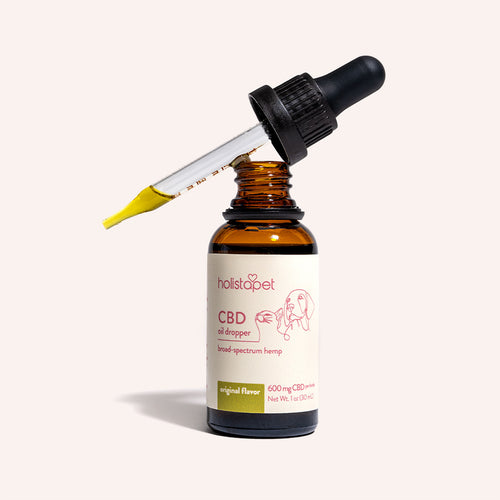 CBD Oil for Cats - Fast Acting
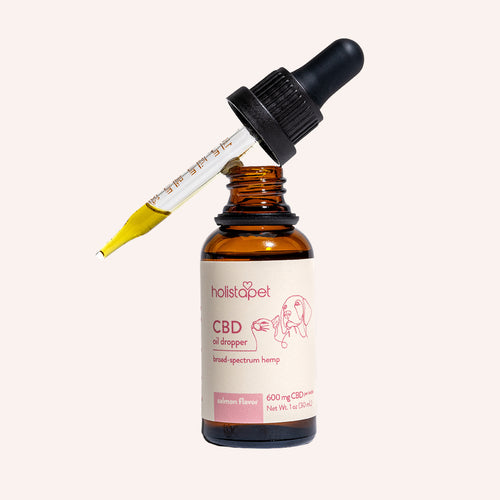 Salmon Flavored CBD Oil For Cats - Easy Dose
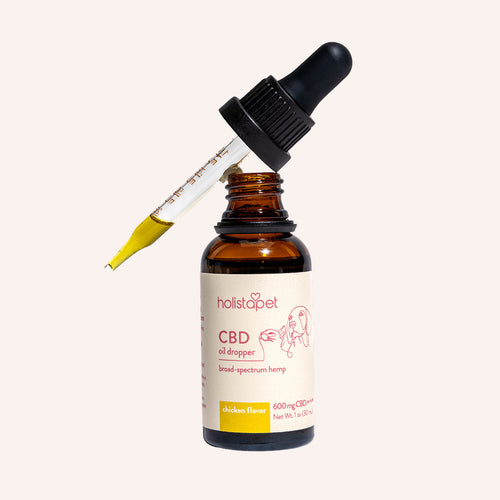 Chicken Flavored CBD Oil for Cats - Highly Rated
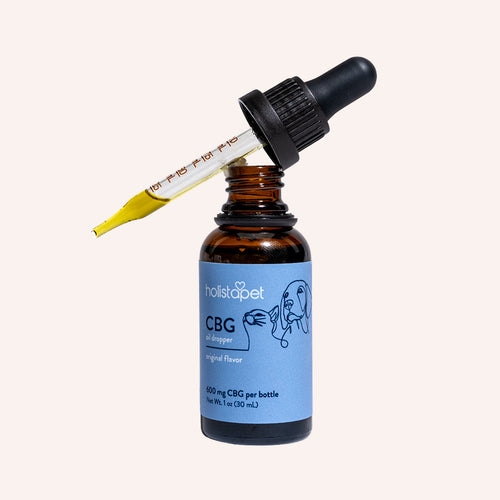 CBG Oil for Dogs and Cats - Loved by Thousands








Leave a comment
All comments are moderated before being published.
This site is protected by hCaptcha and the hCaptcha Privacy Policy and Terms of Service apply.