

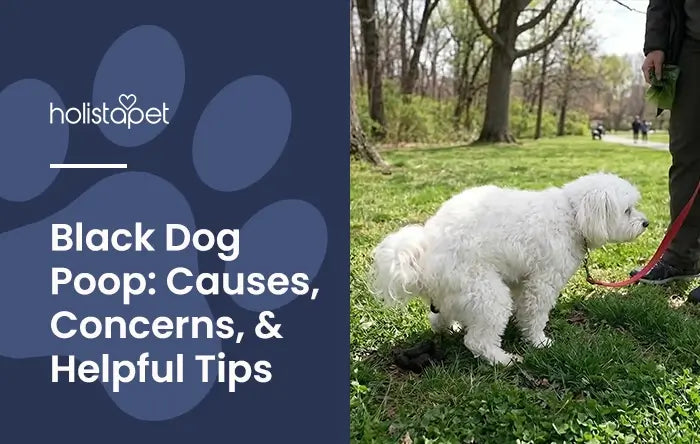
Black dog poop has a way of stopping you mid-step. One glance at that inky color and you know something's up. It might be as simple as a change in food or as serious as internal bleeding. The only way to know is to pay attention and act quickly.
Tarry stools can show up without warning, even in pups who seem perfectly fine otherwise. Staying alert to changes in your dog's poop color can help you catch problems early. A little awareness now can save you and your furry friend from bigger troubles later.
Why Is My Dog's Poop Black?

A few things can cause black dog poop in dogs. The main one is the presence of digested blood in the stool. This often points to bleeding somewhere in the upper gastrointestinal tract, like the stomach or small intestine. The blood darkens as it moves through the digestive system, giving the stool a tarry or coffee grounds kind of look.
But not every case of black poop comes from internal bleeding. Iron supplements, certain medications, and some foods can also cause the same effect. What's important is to figure out the underlying cause quickly.
When To Worry About Dark Stool
Dark dog stool becomes worrying when it looks tarry and sticky and has a strong, unusual odor. These signs can mean there's digested blood present in the waste, which may point to internal bleeding. This kind of bleeding can come from the stomach, small intestine, or other parts of the dog's digestive tract.
You should also pay attention if your pup shows other concerning symptoms at the same time: vomiting, low energy, and refusing food. When you see these changes, get veterinary care right away.
Difference Between Dark Brown and True Black Poop
Dark brown poop is usually normal, especially if it's close to chocolate brown in color. The tint often comes from your dog's diet, natural digestion, and treats. This kind of healthy dog poop looks like a firm log that does not appear shiny or sticky.
True black poop, on the other hand, refers to dark, tarry stools that indicate digested blood in the stool. This can happen when bleeding starts higher up in the digestive tract. If you spot black dog poop during potty time, treat it as a warning sign and contact your veterinarian for advice.
Common Causes of Black Dog Poop

Black dog poop can come from several sources, some mild and others more serious. Sometimes, it's linked to food, treats, and supplements that naturally darken the stool. Other times, it's a sign of bleeding inside the digestive tract.
Changes in your dog's poop color can also come from medications, iron-rich supplements, and swallowed foreign bodies. Bacterial infections, intestinal parasites, and organ problems may also play a role. Knowing the common causes can help you decide if it's safe to monitor at home or if you need to seek veterinary care.
Dietary Factors
Certain foods can make a dog's poop look much darker than normal. Meals and treats with dark pigments, like liver, blueberries, and black rice, can change the color without causing harm. Even some dog food formulas use ingredients that naturally tint the stool.
Supplements can also have an effect. Iron products often turn a dog's stool black. Some vitamins contain minerals that can cause the same change.
If the stool returns to its usual chocolate brown after the dietary changes, the cause was likely harmless. Still, keep an eye out whenever you scoop your dog's poop, just in case.
Internal Bleeding or Gastrointestinal Issues
Black dog poop can be a sign that blood has traveled through the digestive tract before passing. This often means bleeding is happening higher up. It's important to spot this early, so your pooch can get the right care. Possible issues include:
- Parasites or Intestinal Worms. These can cause irritation, bleeding, or digestive changes that turn stool dark or tarry.
- Ulcers in the Stomach or Small Intestine. Bleeding from stomach ulcers can cause black stools due to digested blood.
- Ingesting Non-Food Items. Swallowing mulch, soil, or foreign objects can darken stool and cause other digestive troubles.
- Liver or Pancreatic Conditions. Organ problems can trigger internal bleeding or disrupt digestion, affecting stool color.
Certain Medications or Iron Supplements
Some meds can make a dog's stool turn black, such as anti-diarrheal drugs, bismuth-based products, and certain antibiotics. These effects are usually temporary but can still look alarming.
Iron supplements are another common reason for black poop in dogs. They can naturally darken the stool without harming your pup. Still, it's important to rule out other causes, especially if the change happens suddenly. If your dog's feces stay black after stopping a medication or supplement, see your vet to find out if something else is going on.
Dog Poop Black and Slimy – What It Means
Black dog poop that also looks slimy can point to mucus in the stool. Mucus often appears when the digestive tract becomes irritated due to infections, parasites, or dietary changes.
The combination of dark color and slime can make the stool look especially unusual. This mix may also signal bleeding along with excess mucus production. Infections, swelling in the gut, and certain illnesses can cause both at the same time. If you notice black, slimy waste more than once, have your vet check for underlying problems.
Other Concerning Symptoms To Watch for Alongside Black Stool

Black stool can be even more serious when it shows up with other changes in your dog's health. These signs may help point to the cause and show how quickly you need to act:
- Vomiting or Upset Stomach. Frequent throwing up can mean something is wrong in the digestive tract.
- Low Energy. A sudden drop in activity may signal that your pup feels unwell.
- Loss of Appetite. Refusing food can point to discomfort or illness.
- Weight Loss. Ongoing loss of weight may mean a longer-term issue.
- Increased or Decreased Thirst. Drinking more or less water than usual could link to organ problems or digestive troubles.
Vomiting, Lethargy, or Loss of Appetite
When black dog poop shows up alongside vomiting, the risk of a serious health problem rises. Vomiting can signal irritation, swelling, or bleeding in the digestive tract. It's one of the clearest signs something needs attention fast.
Lethargy is another red flag. If your pup suddenly slows down, sleeps more, or avoids play, it can mean they're feeling unwell. Loss of appetite adds to the concern, especially if it lasts more than a day. These symptoms together call for a vet visit to find the cause and explore treatment options.
Changes in Water Intake or Weight
A sudden change in how much water your dog drinks can be an important clue. Drinking far more or far less than usual may connect to digestive issues, organ problems, or other health concerns. When paired with black dog poop, it's worth paying close attention.
Weight changes are another sign not to ignore. Unexplained weight loss can mean your pup isn't absorbing nutrients properly or has an underlying condition. If you see either of these changes, along with dark stool, schedule a checkup, so your vet can run tests and figure out what's going on.
When To See a Veterinarian

Consult your vet about black dog poop if it appears with other warning signs. Symptoms like vomiting, low energy, pale gums, and refusing food can point to serious problems.
Vets may run tests to find the cause, such as X-rays, blood tests, and stool checks. In some cases, treatment may involve medication, fluid therapy, supplements (probiotics, for example), and dietary changes to help your dog heal. The sooner you get a clear answer, the sooner your best friend can get the care they need.
How Diet and Digestion Affect Stool Color

Your dog's diet affects the color of their poop. Foods with dark pigments, like organ meats and certain veggies, can make the stool look darker without signaling a problem. Even changes in food brands and recipes can shift the shade slightly.
Digestion also plays a role. If food moves too slowly or too quickly through the digestive tract, it can change the stool's appearance. Poor nutrient absorption or gut imbalances may also affect color.
Foods That Can Naturally Darken Poop
Some foods can cause a temporary change in your dog's poop color. Liver, beef, blueberries, and black beans are a few examples that can make stools look darker. Some dog treats also use natural coloring that can shift the shade without harming your pup.
If the dark color appears right after eating these foods, it often returns to normal once they're out of your pet's system. Keep track of what your dog eats, so you can connect any stool changes to their diet. This makes it easier to tell harmless causes from possible health concerns.
Poor Digestion and Nutrient Absorption
When your dog's body can't fully break down and absorb food, it can change the color and texture of their poop. Slow or uneven digestion may cause tarry stools, especially if food lingers in the upper digestive tract.
Gut imbalances, certain illnesses, and low-quality dog food can all affect nutrient absorption. Over time, these can lead to weight loss, low energy, and ongoing stool changes. If you notice black dog poop along with these signs, get a vet's opinion to rule out bigger problems.
Can Probiotics Help With Black Dog Poop?
Probiotics can support a healthy digestive system, which may help reduce stool changes linked to gut imbalance. These beneficial bacteria keep digestion running smoothly and improve nutrient absorption. A balanced gut can also help prevent irritation that sometimes leads to black stools.
HolistaPet's Probiotic Soft Chew for Dogs offers a tasty way to boost your pup's gut health. Each chew contains a blend of 9 beneficial bacteria with 3 billion CFU (colony-forming units), plus sweet potato and pumpkin for added fiber. They can help maintain regular digestion, ease tummy troubles, and support your pup's overall well-being.
Preventing Future Digestive Issues

Keeping your dog's gut healthy can lower the chances of seeing black poop again. A mix of good nutrition, regular care, and digestive support adds up over time. Keep in mind:
- Balanced Diet and Proper Hydration. Feed high-quality dog food and make sure fresh water is always available.
- Regular Vet Checkups and Monitoring. Routine visits help catch changes early, while keeping an eye on poop color at home can spot problems before they grow.
Pro tip: Probiotics, like HolistaPet's blend with sweet potato and pumpkin, can help keep digestion steady and provide natural fiber for gut health. Ask your vet about adding it to your furry companion's routine.
FAQs – Black Dog Poop
Black stool can raise a lot of questions for pet parents. These black dog poop FAQs cover common concerns, from dietary changes to possible health issues. You'll learn when to act fast, how certain foods and supplements can affect stool color, and why probiotics might help. Let's get into it.
Can stress cause black stool in dogs?
Stress alone usually doesn't turn a dog's poop black. But it can upset digestion enough to make other problems more likely. Nervous or upset dogs may eat less, have stomach troubles, or be more prone to gut irritation. These changes can sometimes lead to dark poop if there's bleeding or poor digestion involved.
But you know what? HolistaPet has a range of CBD products for dogs that may help with anxious behaviors. Our CBD treats, chews, oils, and capsules support calmness, promote balance, and aid overall wellness. See, a relaxed dog is less likely to face digestive upsets linked to distress, helping keep their stool in a healthy color range.
How quickly should I act if my dog's poop turns black?
You should take action right away if your dog's poop suddenly turns black. Even if your pup is acting normal, the color change can signal digested blood or another serious issue. Waiting too long can let a problem get worse.
Call your vet as soon as you notice the change, especially if there are other worrying symptoms. A quick check can confirm if it's something minor or a sign of a serious health problem. Acting early gives your pooch the best chance for a fast recovery.
Can switching dog food fix dark stool?
Changing your dog's food can help if the dark stool is because of their diet. Some formulas use ingredients or natural colors that can make poop look darker. Switching to a different recipe may bring the color back to its normal chocolate brown tint.
Remember, make any change slowly to avoid stomach troubles. Mix the new food in with the old over a week, so your dog's system can adjust. If the stool stays black after the switch, see your vet to check for other possible causes.
Are human probiotics safe for dogs?
Human probiotics aren't the best choice for dogs because their gut bacteria and digestive needs are different. While some strains overlap, many human formulas don't provide the right balance for canine health. This can limit their benefits and maybe even cause stomach troubles.
Pet-specific probiotics, like HolistaPet's Probiotic Soft Chews for Dogs, are specifically designed for dogs' unique digestive systems. They help restore gut balance, keep digestion regular, and support overall wellness in a way that matches your pup's needs.
How long do probiotics take to improve digestion in dogs?
Most dogs start showing improvement from probiotics within a few days to a couple of weeks. The exact timing depends on your dog's current gut health, diet, and any underlying issues. Some pups may have better digestion and stool color in just a few days. With regular use, probiotics can help maintain steady digestion, making black dog poop less likely to return in the future.
Final Thoughts - Why Is My Dog's Stool Black?
Black dog poop can range from harmless to a sign of a serious health problem. Diet, supplements, or treats might be the cause, but it can also point to bleeding or other issues in the digestive tract. The safest choice is to watch closely and call your vet if the change is sudden or comes with other symptoms.
HolistaPet offers probiotics and CBD products that can support digestion, balance, and overall wellness. With the right care, you can help keep your pup's stool in a healthy range and give them the comfort and energy they so deserve.
Read Next: White Dog Poop – Causes, Concerns & How To Help Your Pup









Leave a comment
All comments are moderated before being published.
This site is protected by hCaptcha and the hCaptcha Privacy Policy and Terms of Service apply.