

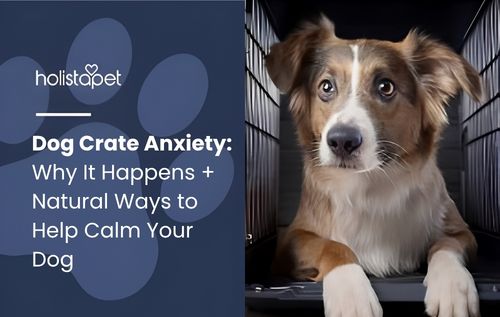
If your dog starts barking, whining, or panicking the moment they’re placed in the crate, or even before you leave the room, you’re likely dealing with crate-related anxiety or separation stress.
While crates are often meant to provide safety and structure, some dogs may associate them with isolation or discomfort. The good news is that this response can often improve with patience, consistency, and the right approach.
Understanding what’s driving this behavior is the first step toward helping your dog feel more relaxed and secure.
Why Dogs Experience Crate Anxiety

Dogs are social animals that naturally seek companionship. When they feel isolated or confined, especially in unfamiliar ways, it can lead to stress responses.
Crate anxiety may develop due to several factors:
- Lack of gradual crate introduction
- Negative early experiences with confinement
- Sudden changes in routine or environment
- Strong attachment to their owner
- Limited exposure to alone time
In many cases, the crate itself is not the problem, it is the association the dog has formed with it.
Signs Your Dog May Be Anxious in the Crate
A dog experiencing crate anxiety may show both behavioral and physical signs, including:
- Barking, whining, or howling shortly after being left alone
- Pacing or restlessness inside the crate
- Excessive drooling or panting
- Scratching, chewing, or attempting to escape
- Accidents despite being house-trained
- Refusal to enter the crate willingly
These behaviors typically indicate discomfort or stress rather than disobedience.
Separation Anxiety vs. Crate Discomfort
Not all crate distress comes from separation anxiety alone.
Separation Anxiety
This occurs when a dog becomes distressed primarily because their caregiver is absent. Signs may appear even outside the crate.
Crate Discomfort (Confinement Stress)
This happens when the dog reacts specifically to being enclosed, even if they are calm when free in the home.
Key difference:
- If your dog is calm at home but panics in the crate - likely crate-related stress
- If your dog panics whenever you leave - may be separation-related anxiety
Understanding the difference helps guide the right approach.
Other Factors to Rule Out

Before focusing on behavior training, it’s important to consider possible underlying issues:
- Physical discomfort or pain
- Digestive upset
- Temperature or environmental stress
- Lack of exercise or stimulation
If symptoms appear suddenly or intensify, a veterinary check may help rule out medical concerns.
Supporting gut health with beneficial bacteria for dogs can sometimes help overall digestive balance when digestive upset is suspected.
Why Does Crate Anxiety Develop?
Crate anxiety usually builds over time. Common causes include:
1. Negative Associations
If the crate has been used for punishment or isolation, a dog may begin to avoid it.
2. Overdependence on Human Presence
Dogs that are rarely alone may struggle more when suddenly separated.
3. Rushed Training Process
Introducing the crate too quickly can create fear instead of comfort.
4. Lack of Positive Reinforcement
Without rewards or positive experiences, the crate may feel unfamiliar or unsafe.
How to Help Calm a Dog in the Crate
Improving crate comfort takes patience and gradual progress.
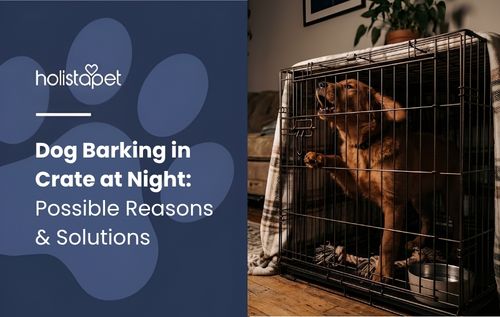
Nighttime restlessness can sometimes overlap with behaviors described in why is my dog suddenly hyper at.
Use Positive Reinforcement
Encourage calm behavior with rewards such as treats, praise, or toys. Reinforcing relaxed moments helps build positive associations over time.
Practice Short Departures
Start by leaving your dog for very short periods. Gradually increase time as your dog becomes more comfortable being alone.
Create a Calm Environment
Soft background sounds such as music, white noise, or a television can help reduce silence-related stress.
Keep a Consistent Routine
Dogs feel more secure when they know what to expect each day.
Supportive Natural Approaches
Some pet owners learn additional supportive methods alongside training and routine building.
CBD for Dogs (General Support Use)
CBD derived from hemp, such as vet-approved CBD oil for dogs, is sometimes included in canine wellness routines to support calm behavior during stressful situations. Responses may vary between individual dogs, and research is still developing in this area.
CBD is not a substitute for training or veterinary care, but may be used as part of a broader routine that includes behavior support, structure, and environmental enrichment.
Melatonin for Dogs
Melatonin is sometimes used as dog melatonin chew treats to support normal sleep cycles and relaxation, especially during nighttime routines or adjustment periods.
It is often included in calming-focused supplements alongside ingredients such as L-theanine or herbal blends.
Environmental Calming Support
Other non-medical strategies may include:
- Gentle background noise or music
- Regular physical exercise before crate time
- Mental stimulation like puzzle toys
- Comfortable bedding and familiar scents
Calming Treats and Herbal Ingredients
Some calming treats include ingredients like chamomile or valerian root, which are commonly used in relaxation-support formulations for dogs.
Step-by-Step Crate Training for Anxious Dogs

Step 1: Make the Crate a Positive Space
Allow your dog to experience the crate freely with the door open. Add treats or toys to encourage curiosity.
Step 2: Build Comfort with the Door Open
Let your dog enter and exit freely without pressure. This helps reduce fear and builds trust.
Step 3: Add Comfort Items
Use soft bedding or an item with your scent to create familiarity.
Step 4: Gradually Increase Alone Time
Begin with very short separations and slowly extend duration as your dog becomes more relaxed.
Step 5: Keep Departures Low-Key
Avoid dramatic goodbyes or greetings. Calm energy helps reduce emotional buildup.
What to Avoid?
Certain responses can unintentionally increase anxiety:
- Avoid punishment or yelling
- Do not force long crate sessions too early
- Avoid inconsistent routines
- Do not ignore ongoing stress signals
Consistency and patience are more effective than pressure.
When to Seek Professional Help?
If your dog shows severe or persistent distress, professional support may be helpful.
Consider consulting:
- A veterinarian (to rule out medical issues)
- A certified dog behaviorist (for behavior modification plans)
Seek help if your dog:
- Panics every time you leave
- Attempts escape or injures themselves
- Shows extreme vocalization or stress behaviors
Final Thoughts
Crate anxiety can be challenging, but it is often manageable with gradual training, consistency, and a calm environment.
Most dogs improve when they learn that the crate is not a place of isolation, but a predictable and safe part of their routine.
With time, structure, and patience, many dogs can learn to settle more comfortably and feel secure even when alone.
FAQs
1. Why does my dog panic in the crate when I leave?
This often happens when the crate is associated with isolation or when a dog has difficulty being alone. It may also be linked to separation-related stress.
2. How can I tell if it’s separation anxiety or crate stress?
If your dog is calm at home but panics in the crate, it may be crate-related stress. If they panic whenever you leave, even without a crate, it may be separation anxiety.
3. How long does crate training take?
Progress varies by dog. Some adjust within weeks, while others may need more time depending on their past experiences and temperament.
4. Can calming products help my dog relax?
Some calming products may support relaxation as part of a broader routine that includes training, exercise, and environmental adjustments.
5. Should I stop using a crate if my dog is anxious?
Not necessarily. Many dogs can improve with gradual, positive crate training. However, alternatives may be considered depending on individual needs.







Leave a comment
All comments are moderated before being published.
This site is protected by hCaptcha and the hCaptcha Privacy Policy and Terms of Service apply.