

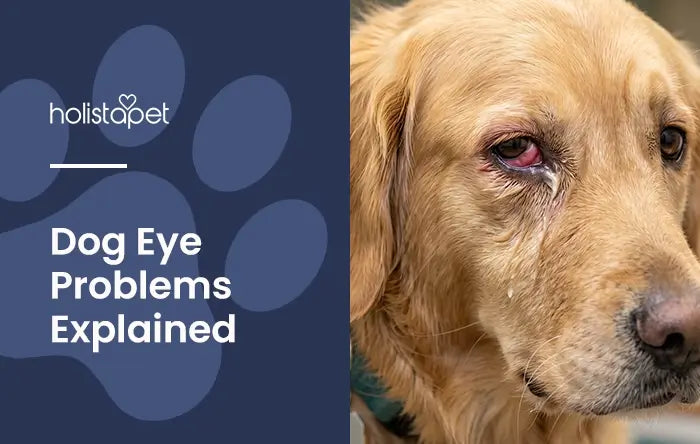
Eye problems in dogs can be tricky to spot, but they're more common than you think. From a simple irritation to more serious conditions like corneal ulcers and vision loss, staying on top of your pup's eye health is crucial. After all, your dog's eyes are their windows to the world.
If something's off—whether it's a pink eye flare-up, tear production issues, or even a genetic defect—eye issues can lead to a lot of discomfort. Knowing the signs and acting fast can save your furry buddy from pain and even blindness.
The Importance of Addressing Eye Problems in Dogs
Pet owners shouldn't underestimate eye problems. Addressing eye issues early can prevent more severe conditions down the road.
Your dog's eyes are incredibly sensitive. Even small issues like eye irritation or excessive eye discharge can spiral into something bigger. Staying on top of changes like cloudy eyes, dilated pupils, and chronic irritation is vital.
If left untreated, eye troubles can lead to serious ocular diseases and permanent damage, impacting your pup's quality of life. Remember, the earlier you notice and treat problems, the better chance your dog has at maintaining normal vision.
Recognizing the Signs of Canine Eye Problems

Recognizing eye issues in dogs can be tricky, but there are common signs to watch out for. They include:
- Cloudy Eyes. This can be a sign of cataracts or other serious eye conditions.
- Excessive Discharge. If your dog's eyes are consistently watery or have thick discharge, it could point to an infection.
- Redness or Swelling. Any noticeable redness or swelling might indicate an eye inflammation or infection.
- Squinting or Pawing at the Eyes. If your pup is frequently pawing at their eyes or squinting, they could be experiencing irritation or pain.
- Dilated Pupils. Unusual pupil size can indicate eye pressure issues or even glaucoma.
Causes of Eye Problems in Dogs
There are several reasons why dogs might face eye issues, ranging from environmental elements to genetic factors. Here are the most common ones:
- Infections. Bacterial or viral infections can lead to conditions like conjunctivitis (pink eye) or more severe eye diseases.
- Genetic Factors. Certain dog breeds, like Boston Terriers or German Shepherds, are more prone to inherited eye conditions such as progressive retinal atrophy (PRA).
- Trauma or Injury. Accidents, rough play, or getting something in the eye can cause scratches or more serious damage.
- Allergies. Environmental allergens can irritate the eyes, causing swelling, redness, and discomfort.
Most Frequent Eye Conditions in Dogs
Dogs can experience a variety of eye conditions that affect their vision and comfort. Here are some of the most frequent ones:
- Conjunctivitis (Pink Eye). Inflammation of the eye's outer lining, causing redness, swelling, and discharge.
- Cataracts. Cloudy eyes that lead to vision loss, common in senior dogs.
- Glaucoma. Increased eye pressure, which can impact the optic nerve and lead to blindness if untreated.
- Dry Eye (Keratoconjunctivitis Sicca). Decreases tear production, leading to irritation and potential corneal damage.
- Corneal Ulcers. Painful sores on the eye's surface that can result from injury or infection.
- Uveitis. Inflammation of the eye's middle layer, which can cause severe discomfort and poor vision.
- Entropion. A condition where the eyelid turns inward, irritating the eye.
- Ectropion. The outward turning of the eyelid, which can lead to dryness and irritation.
- Progressive Retinal Atrophy (PRA). A genetic condition causing progressive loss of vision and, in some cases, blindness.
- Retinal Detachment. The retina separates from the back of the eye, leading to vision impairment or blindness.
- Cherry Eye. The tear gland in the third eyelid swells and protrudes from the inner corner of the eye.
Environmental and Genetic Causes of Eye Issues

Both environmental factors and genetic predispositions can contribute to your pup's eye troubles. Here are some common causes:
- Allergies. Pollen, dust, and other allergens can cause eye inflammation and irritation.
- Dust and Debris. Small particles can get into your pet's eyes, causing irritation or injury.
- Smoke or Pollutants. Exposure to smoke, fumes, or chemicals can lead to discomfort or even long-term damage.
- Excessive Sun Exposure. Dogs can suffer from eye issues if they're exposed to too much sunlight.
- Trauma or Injury. A bump, scratch, or accidental injury can cause immediate or lasting eye damage.
- Poor Hygiene. Dirty living environments or lack of regular grooming can increase the risk of eye infections.
- Breed-Specific Genetic Predispositions. Certain breeds are more prone to eye problems.
- Inherited Conditions. Certain dog eye diseases get passed down through generations.
- Aging-Related Degeneration. As dogs age, their eyes naturally experience degeneration.
- Poor Diet or Nutrition. An unhealthy diet can affect their overall health, including their eye function.
How To Identify and Treat Eye Problems in Dogs

Look for signs like foggy eyes, excessive tearing, or pawing at the eyes. If you notice any of these red flags, it's best to act quickly.
Treatment options depend on the condition but may include eye drops, oral medications, stimulating tear production, and surgery. Antibiotic eye drops are effective for issues like infections. Meanwhile, surgical removal or correction addresses issues like corneal ulcers and cataracts.
The key is promptly addressing the issue to prevent permanent impairment and help your pup maintain normal eyesight. If in doubt, talk to your vet for the best course of action.
When To Take Your Dog to the Vet for Eye Issues
Prompt treatment can make all the difference in preserving your dog's vision. If you notice any of the following signs, it's time to schedule an appointment:
- Excessive Discharge. If your dog's eyes are leaking thick or colored discharge, it could be a sign of infection.
- Visible Injury. Cuts or swelling around the eye need immediate veterinary attention.
- Cloudy or Dilated Pupils. This can be a sign of cataracts, glaucoma, or other serious conditions.
- Squinting or Pawing at the Eyes. If your dog frequently rubs or squints, they could be in pain.
- Changes in Vision. If your pet has trouble navigating their environment or seems disoriented, they could be experiencing eyesight impairment.
Medications and Treatment Options for Dog Eye Problems
Several medications and treatments can help your pup feel better and maintain healthy vision. Eye drops help treat infections, reduce inflammation, and lubricate dry eyes.
Your vet may recommend more specific treatments for conditions like glaucoma or corneal ulcers. Think oral medications or topical steroids to manage symptoms and prevent further damage.
For severe cases, issues like cherry eye, and certain types of cataracts, surgery can correct the problem and restore normal eye function. Consult your vet to ensure the treatment meets your furry buddy's needs and condition.
Preventing Eye Problems and Supporting Eye Health

Preventing eye problems in dogs starts with regular care and attention to their environment. Routine eye checks help spot early signs of trouble.
Keep your pup's face clean, especially around the eyes, to avoid irritation and infections. Regular grooming, proper hygiene, and protecting your pet from environmental hazards like smoke or debris can also help.
Supporting your dog's eye health with a balanced diet rich in vitamins and nutrients, especially those known to support eye function, can make a big difference. Fresh water, plenty of exercise, and regular vet visits will keep their eyes in top shape.
Grooming, Diet, and Supplements for Healthy Eyes
Regularly cleaning around your dog's eyes helps avoid dirt buildup. Also, trimming any long fur that might irritate their eyes can prevent discomfort. Keeping their coat and skin healthy supports overall eye health.
A balanced diet, rich in essential nutrients like omega-3 fatty acids, vitamins A and C, and zinc, can help maintain your dog's vision. Supplements that promote healthy tear production and eye function, like those containing antioxidants, can help as well. This is especially true for older dogs or those with a genetic predisposition to eye conditions.
Natural Remedies for Dog Eye Problems
Natural remedies can offer some relief for our canine friends dealing with minor eye issues. For example, chamomile tea can serve as a gentle rinse to help reduce redness and calm irritated eyes. Simply brew the tea, let it cool, and use a clean cloth to gently wipe your pup's eyes.
In addition, artificial tears can help lubricate dry eyes and keep them moist. With its anti-inflammatory properties, coconut oil can also help reduce irritation and promote healing when used topically.
Consult your vet before trying any new treatments. Natural remedies can complement regular veterinary care, but they shouldn't replace professional treatment.
Related Post: Dog Eye Discharge Home Remedies [Home Care Guide]
How CBD and Supplements May Benefit Your Dog's Eye Health
CBD (cannabidiol) has gained attention for its potential to support eye health in dogs. It may help reduce inflammation and pressure and promote relaxation, which can help our canine friends deal with eye discomfort or irritation.
HolistaPet offers a range of CBD products to support your dog's eye and overall health. Our CBD treats, oils, and capsules contain all-natural, vegan-friendly, and non-GMO ingredients. Plus, they are all vet-approved and third-party lab-tested for your peace of mind.
By adding CBD to your pup's routine, you may help ease irritation, improve comfort during recovery, and support their eye health long-term. Consult your vet before starting any new treatment, including CBD, to ensure it's right for your dog.
Learn more about CBD for dogs here.
Comforting Your Dog During Eye Treatment and Recovery
It's important to create a calm, soothing environment that helps your pup feel at ease while they heal. Soft bedding, a quiet space, and limited activity can go a long way in helping your dog relax and recover.
During treatment, make sure your dog isn't overly stressed or agitated. These unpleasant feelings can interfere with the healing process.
CBD products, like those from HolistaPet, can promote relaxation and comfort for dogs in recovery. The natural calming effects of CBD can help ease your dog's discomfort, allowing them to rest more easily.
In addition to CBD, make sure your dog gets plenty of water, a balanced diet, and gentle care while they recover. If you notice any discomfort or worsening symptoms, consult your vet immediately.
How To Help Your Dog Recover After Eye Treatment
After a surgical procedure or while managing an eye infection, your canine companion may need extra care to ensure a smooth recovery. Keep their environment calm and free of distractions to help them rest. Limit their movement and prevent them from rubbing or pawing at their eyes.
Following your vet's instructions is essential. If prescribed, make sure your pet uses eye drops or any other topical treatments as directed. Using CBD during the recovery process can also help your dog relax and stay comfy.
Keep a close eye on changes in your pup's behavior or symptoms, and contact your vet if anything seems off. Your furry friend's comfort and care will make a big difference in their recovery time.
Red Flags: When To Rush to the Vet
There are times when a trip to the vet is urgent. If your dog shows any of these symptoms, don't wait for things to get worse:
- Severe Swelling or Redness. Could be a sign of a serious infection or injury.
- Visible Eye Injury. Requires immediate attention to avoid permanent damage.
- Dilated or Cloudy Pupils. Could indicate conditions like glaucoma or cataracts, which require quick treatment.
- Excessive Discharge or Bleeding. These are clear signs of an infection or a more severe issue.
- Loss of Vision or Disorientation. Your pup may be experiencing vision loss.
Final Thoughts on Dog Eye Problems
Eye health is crucial for your canine companion's overall well-being. Early detection and treatment of eye problems can prevent permanent impairment and preserve their vision. Regular vet check-ups, good hygiene, and a healthy diet are essential for preventing many eye issues.
If your dog is facing eye problems, consider using CBD products from HolistaPet to help support comfort during recovery. Stay proactive in caring for your dog's eyes, and don't hesitate to consult your vet when needed. Your canine bestie will thank you!







Leave a comment
All comments are moderated before being published.
This site is protected by hCaptcha and the hCaptcha Privacy Policy and Terms of Service apply.