

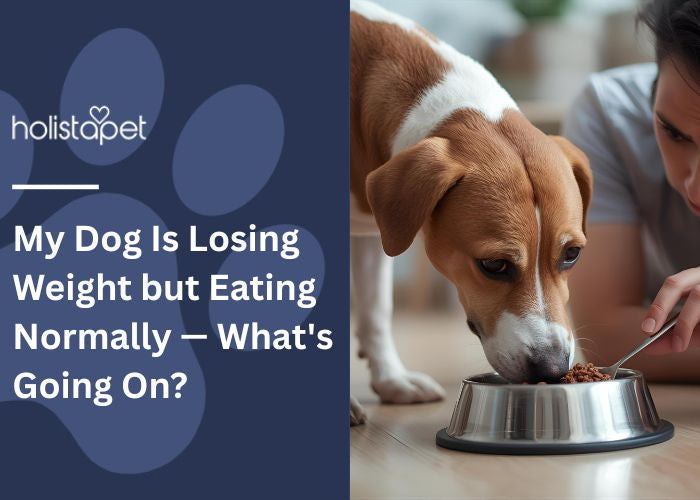
Your dog is munching like usual, tail wagging, energy good, and yet, the scale keeps dropping. If you've caught yourself thinking, “My dog is losing weight but eating normally,” you're not imagining things. Sometimes, even the hungriest pups can start to slim down for reasons that aren't obvious.
This kind of weight loss can happen when a dog's body doesn't fully absorb nutrients or burns more energy than it should. It's like their engine is running hot, even on a full tank. But if you're catching it early, that's already half the battle. Now, it's time to figure out what's happening under that fluffy coat and how to help your furry friend feel strong again.
When Weight Loss Doesn't Match Your Dog's Appetite

A big appetite doesn't always mean your dog's body is getting what it needs. If your pup eats like a champ but is still gradually losing weight, the problem might be with what happens after they swallow. Food has to break down, get absorbed, and turn into energy, and sometimes, that system slips out of sync.
Digestive troubles, nutrient malabsorption, or even hormonal shifts can all throw things off balance. Your pup may be taking in plenty of food, but their body isn't keeping enough fuel. That mismatch often leads to weight loss that seems puzzling at first glance. Keep an eye on their stool, coat, and energy levels, as these small signs can tell you a lot about what's really going on inside.
Early Signs That Something May Be Off
Before weight loss becomes serious, your dog's body often gives quiet hints. Catching these early can help determine how quickly they bounce back. Even subtle changes can reveal that something's brewing beneath the surface. Watch for the following clues:
- Changes in Coat Condition. A dull or thinning coat can signal nutrient trouble or poor absorption.
- Visible Ribs or Spine. If bones start showing through their fur, it's time to check their weight more closely.
- Low Energy or Fatigue. A once-playful dog that naps all day might be burning fuel without benefit.
- Loose or Irregular Stools. Digestive issues often show up here first, hinting that food isn’t being processed right.
- Increased Thirst or Urination. This can link to diabetes or kidney issues that affect your pet's weight.
Find your dog's ideal body weight here.
Common Causes of Weight Loss in Dogs With a Normal Appetite
When a pup keeps eating but still gets thinner, several sneaky culprits might be at play. Some are minor, while others need a vet's eye to uncover. Here are the most common reasons your dog's weight might drop even with a steady appetite:
- Intestinal Parasites and Worms. These pesky invaders steal nutrients straight from your dog's food, leaving little behind for their body.
- Hyperthyroidism or Other Hormonal Imbalances. An overactive thyroid speeds up metabolism, burning calories faster than your dog can replace them.
- Diabetes Mellitus. Even with normal eating, the body can't use sugars properly, leading to sudden unexplained weight loss.
- Digestive Disorders and Malabsorption. When nutrients don't absorb, your dog's body misses out on the good stuff entirely.
- Upset or Anxious Behaviors. Worry or environmental stress can interfere with digestion and energy use.
- Age-Related Metabolic Changes. A dog's aging process naturally results in weight loss. An old dog losing weight could be because they take in fewer calories and process food differently than they used to.
How Veterinarians Diagnose the Root Cause
When your pet's weight drops without a clear reason, vets play detective to find out why. The first step is usually a full physical exam paired with questions about your dog's diet, daily habits, recent changes, and other symptoms. That history gives important clues about what might be going wrong inside.
Next comes testing. Bloodwork helps check for organ issues, diabetes, or thyroid problems. Stool tests can uncover parasites or bacteria that interfere with digestion. Imaging tools like X-rays or ultrasounds reveal hidden problems such as liver or kidney disease. These methods help uncover any underlying health concerns.
By ruling things out step by step, your veterinarian can narrow down the cause of your dog's weight loss. This careful process helps make sure your pup gets the most accurate diagnosis and treatment plan possible. Then, you can help your dog gain weight and maintain it.
What To Do If Your Dog Is Losing Weight but Eating Normally

If you have a dog that is losing weight even though their bowl is always empty, it's time to take action. A few simple steps can help you track what's going on and keep your vet in the loop. Try these strategies:
- Monitor Weight, Appetite, and Stool Quality. Keep notes on your dog's current diet plan, their bathroom habits, and weekly weight changes.
- Schedule a Veterinary Checkup. A vet visit helps identify possible health conditions behind the weight loss.
- Adjust Feeding Schedules or Portions Under Vet Guidance. Your vet might suggest smaller, more frequent meals or a higher-calorie food.
- Track Progress With Regular Weigh-Ins. Weigh your dog at home or during checkups to catch improvements or new changes early.
Supporting Your Dog's Health and Comfort Naturally
Once your dog's weight starts to dip, supporting their body from the inside out becomes crucial. A balanced diet, gentle exercise, and proper hydration help restore strength while keeping your pup comfortable. Focus on foods rich in digestible protein and fiber to maintain energy and promote better digestion.
Adding natural additions to their daily routine, like probiotics, omega fatty acids, and vitamin blends, can be extremely helpful, too. These nutrients encourage smoother digestion, stronger joints, and a shiny coat.
Combine these efforts with plenty of rest, fresh water, and consistent care to help your furry buddy regain stability. With a bit of patience and routine, you'll start to see them bounce back to their normal body weight and playful self.
Related Post: How To Help A Senior Dog Gain Weight.
How HolistaPet Pet Wellness Products Can Help
HolistaPet offers natural pet wellness products designed to help dogs feel balanced and supported from nose to tail. Each formula uses clean, plant-based ingredients and vet-approved blends that are third-party lab tested for safety and quality. If your dog is losing weight but eating normally, these options can help bring comfort and restore overall wellness:
- HolistaPet Probiotic Soft Chews for Digestive Support. These heart-shaped chews help ease stomach troubles and restore digestive balance with 3 billion CFU (colony-forming units) of beneficial bacteria. A mix of pumpkin and sweet potato keeps things tasty and tummy-friendly.
- HolistaPet Multivitamin Soft Chews for Essential Nutrients. Packed with glucosamine, salmon oil, and probiotics, these chews help maintain strong joints, a glossy coat, and smooth digestion, perfect for a daily wellness boost.
- HolistaPet CBD Oil or Calming Chews for Stress Relief. Crafted from 100% natural ingredients, our oil and soft chews promote calm, balanced moods, and support the nervous system with broad-spectrum CBD and soothing botanicals.
When To Worry and Seek Immediate Care

Sometimes, weight loss in dogs moves from "odd" to "urgent." If your pup beginsor their bones become easy to see, it to lose weight rapidly 's time to act fast. Sudden weight loss can signal deeper health concerns that shouldn't wait.
Watch for red flags like vomiting, loss of appetite, diarrhea, or tiredness that lingers more than a day. Frequent thirst, excessive urination, or repeated urinary tract infections can also point to diabetes, kidney disease, or other issues that affect your dog's health. Persistent coughing, swelling, or a distended belly deserves quick attention, too.
If you notice any of these changes, don't wait to book an appointment with your vet. Early care for your pet's condition gives them the best chance to bounce back strong and stay happy all the way to their senior years.
How To Help Prevent Future Weight Loss
Keeping your dog at a healthy weight starts with good habits and regular care. Small, steady routines help keep your pup strong and full of life. Here's what you can do:
- Maintain a Consistent Feeding Routine. Stick to regular mealtimes and measure portions to match your dog's size, age, and activity level. Sudden diet changes can upset digestion and appetite.
- Keep Up With Vet Visits and Parasite Prevention. Routine checkups help catch small problems early, while parasite prevention keeps your dog's system clean and efficient.
- Support Digestive and Emotional Wellness. A balanced diet, gentle exercise, and natural wellness products keep both gut and mood in harmony. These steps help your dog maintain a stable weight and steady energy every day.
FAQs About Dogs Losing Weight but Eating Normally
Dog weight loss can be confusing, especially when appetite stays strong. These quick answers clear up the most common questions pet parents have about what's normal and what's not.
Should I be worried if my dog eats a lot but still looks thin?
Yes, you should take it seriously. When your dog eats normally but keeps losing weight, it often means their body isn't processing food as it should. Conditions like diabetes, digestive trouble, or thyroid imbalance can cause this. Even dental issues may make eating less efficient. A vet visit is the best way to find the root cause and start the right plan.
Can stress or anxiety cause weight loss in dogs?
Absolutely. Dogs can lose weight when they feel upset, restless, or unsettled. Emotional strain changes how the body digests food and burns calories. Moving homes, new pets, or long absences can trigger these reactions. Supporting calm behavior with structure and natural remedies helps restore balance.
How long before I see results after treating the underlying issue?
That depends on what's causing your dog's weight loss. Some pups regain weight within weeks once treatment starts working. Others may take longer if the issue involves hormones or organ health. Follow your vet's plan closely and track progress with weekly weigh-ins. Steady improvement shows your pet is absorbing nutrients again.
Are HolistaPet supplements safe to use with my vet's treatment plan?
HolistaPet products are generally safe and use natural, pet-friendly ingredients tested for purity and potency. They work well alongside veterinary treatments without causing interference. From probiotics to calming chews, each item supports your dog's overall wellness. Always tell your vet what products you're using to keep care consistent.
Final Thoughts — Restoring Balance and Well-Being
When your dog's weight doesn't match their appetite, it's more than a mystery; it's a message. Paying attention early and working with your vet keeps small problems from becoming big ones. Combine consistent care with nutritious food, regular exercise, and a watchful eye on their daily habits. These steps help your pup maintain normal body weight and long-term comfort.
HolistaPet wellness products can be a simple way to support your dog's recovery and keep them thriving. From probiotic chews to multivitamins and calming CBD, each formula blends natural ingredients that boost your companion's daily routine. Together with veterinary guidance, they help restore balance and bring back your buddy's happy energy.





Leave a comment
All comments are moderated before being published.
This site is protected by hCaptcha and the hCaptcha Privacy Policy and Terms of Service apply.