


Red skin between a dog’s toes signals irritation that needs attention. Allergies, infections, or constant licking often cause it. Many owners spot it during grooming and worry right away. Knowing the cause helps stop discomfort and protect paw health.
Why are My Dog’s Paws Red Between the Toes?

Red skin between the toes often points to pododermatitis, a condition that affects the skin on a dog’s paws. It shows up as inflammation in this sensitive area and can worsen fast without proper care.
Moisture makes the problem worse. Damp paws allow irritation to spread and can lead to deeper skin issues if left unchecked.
Behavior gives clear signals. Constant licking or chewing shows discomfort and can quickly intensify the redness.
Watch for these signs:
- Swelling or tenderness
- Strong or unusual odor
- Discharge or staining
- Limping or avoiding pressure on the paw
These signs help gauge how serious the issue has become and when to take action.
Related Post: Dog Dew Claw Injury: Causes, Symptoms, and Recovery
What Causes Pododermatitis?
Pododermatitis develops when something irritates or damages the skin on a dog’s paws, leading to inflammation and discomfort.
Allergies
Allergic reactions often trigger ongoing paw irritation. Dogs react through their skin, especially in the feet.
- Environmental triggers like grass, pollen, or dust
- Food sensitivities to certain proteins or ingredients
- Contact with chemicals such as cleaners or lawn treatments
Infections
Microorganisms take advantage of irritated or moist skin and worsen inflammation.
- Bacterial overgrowth in damaged skin
- Yeast buildup in warm, damp paw areas
Parasites
Tiny parasites can irritate the skin and trigger strong reactions.
- Mites that burrow or live on the skin
- Fleas that cause itching and inflammation
Foreign Objects
Small debris can get trapped between the toes and irritate the skin.
- Thorns, splinters, or grass seeds
- Sand or dirt that rubs against the skin
Repetitive Licking and Chewing
Dogs often worsen the condition through constant grooming of irritated paws.
- Creates more inflammation
- Breaks the skin and increases infection risk
Environmental Stress
Surfaces and conditions can damage sensitive paw skin.
- Hot pavement or rough terrain
- Harsh chemicals or cleaning agents
How Can I Help Treat Pododermatitis in Dogs?

Treat pododermatitis by reducing inflammation, controlling infection, and correcting the trigger early. Fast care limits pain and prevents recurring issues.
|
Treatment Area |
Key Actions |
Key Benefit |
When to Use |
|
Cleaning |
Antiseptic wash, thorough drying |
Reduces microbial growth and irritation |
After walks or exposure to irritants |
|
Infection Control |
Antibiotics or antifungals |
Eliminates pathogens and swelling |
When signs of infection appear such as odor or discharge |
|
Inflammation Relief |
Anti itch meds, corticosteroids |
Stops self trauma and speeds healing |
When redness, swelling, or itching worsens |
|
Natural Support |
CBD, omega fatty acids |
Supports calm behavior and skin health |
For ongoing support and mild discomfort |
|
Diagnosis |
Lab tests, allergy evaluation |
Identifies root cause and prevents recurrence |
For persistent, severe, or recurring cases |
Clean and Protect the Paws
Routine cleaning removes irritants and helps control microbial growth. Dry skin reduces the risk of infection.
- Rinse paws after outdoor exposure
- Use antiseptic solutions like chlorhexidine
- Dry thoroughly between toes
- Trim fur to prevent moisture buildup
A study in Veterinary Dermatology highlights that moisture and debris increase microbial colonization, which contributes to paw inflammation.
Treat Active Infections
Direct treatment clears infection and reduces swelling. Early care prevents deeper tissue involvement.
- Oral or topical antibiotics for bacterial infections
- Antifungal treatments for yeast overgrowth
- Medicated wipes for targeted application
Research published in Journal of Small Animal Practice notes that secondary infections commonly worsen pododermatitis and require targeted antimicrobial therapy.
Reduce Inflammation and Itching
Controlling inflammation helps stop self trauma and supports healing.
- Vet prescribed anti itch medications
- Short term corticosteroids when needed
- Protective barriers to limit licking
The Merck Veterinary Manual explains that reducing inflammation remains essential to break the cycle of irritation and tissue damage.
Support Recovery and Behavior
Supportive care strengthens skin health and reduces stress driven licking.
- Omega fatty acids to support the skin barrier
- Nutritionally balanced diet
- Behavioral support to reduce compulsive licking
A study in Frontiers in Veterinary Science found that CBD may help reduce discomfort and improve overall well being in dogs. Holistapet CBD oils and treats can support recovery as part of a complete care routine.
Get a Proper Diagnosis
Accurate diagnosis ensures effective and lasting treatment.
- Skin cytology or scrapings
- Allergy testing or food trials
- Biopsy for chronic or severe cases
When Do I Take My Dog to the Vet for Pododermatitis?

Take a dog to the vet when paw redness does not improve quickly or starts to worsen. Pododermatitis often worsens quickly, [PetMD] so treating it early helps prevent deeper infection and long‑term damage.
Timing matters. Seek veterinary care if:
- Redness lasts more than a few days
- Licking or chewing becomes constant
- Home care does not improve the condition
- The issue keeps coming back
Severity also matters. Immediate care is needed if the dog shows signs of pain or infection that affects movement or daily activity.
A veterinarian examines the dog, identifies the underlying cause with diagnostic tests, and begins targeted treatment. Early diagnosis reduces complications and helps the paw heal faster.
Paw Care is Part of Your Dog’s Welfare
Redness between a dog’s toes often signals pododermatitis that needs prompt attention. Early care, proper treatment, and veterinary guidance help stop discomfort and prevent long-term issues.
Keep your pup happy and healthy, learn more dog care tips here!
Frequently Asked Questions
Can pododermatitis spread to other parts of the body?
It can affect multiple paws if the underlying issue continues. It does not spread across the body unless parasites or infections transfer.
Can diet changes help prevent pododermatitis?
Yes. Diet changes can reduce inflammation and help control reactions linked to food sensitivities.
Is pododermatitis common in certain breeds?
Yes. Breeds prone to allergies or skin issues develop it more often.
Can walking surfaces affect paw health?
Yes. Hot, rough, or chemically treated surfaces can irritate the skin and trigger inflammation.
How long does pododermatitis take to heal?
Mild cases can improve within a few days. Severe cases can take weeks with proper treatment.
Can stress make pododermatitis worse?
Yes. Stress can trigger licking and chewing, which worsens irritation and delays healing.
 CBD Oil for Dogs - Fast Acting
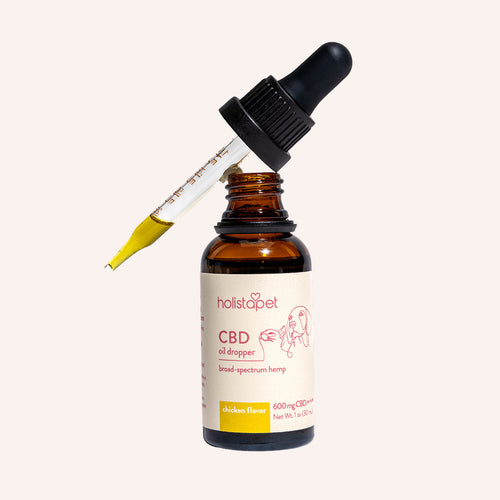 Chicken Flavored CBD Oil For Dogs - Easy Dose
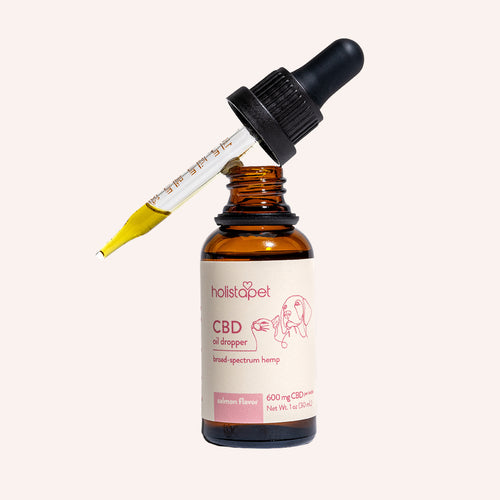 Salmon Flavored CBD Oil For Dogs - Highly Rated
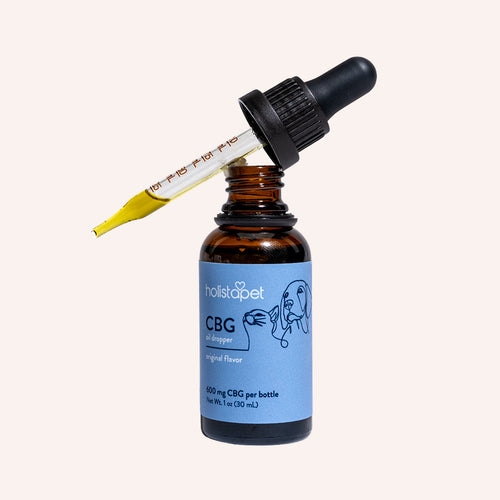 CBG Oil for Dogs and Cats - Loved by Thousands











Leave a comment
All comments are moderated before being published.
This site is protected by hCaptcha and the hCaptcha Privacy Policy and Terms of Service apply.