

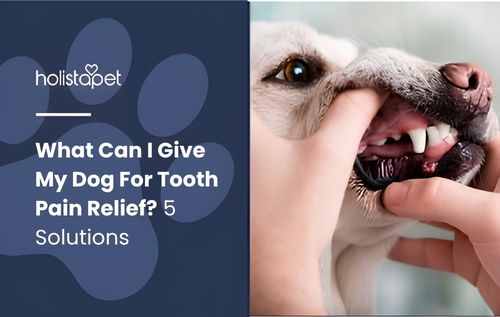
Many pet owners ask what can I give my dog for tooth pain relief, the safest solution involves veterinary care and the right pain medication based on the cause.
How Do I Know If My Dog Has Tooth Pain?

Tooth pain in dogs shows through changes in eating, behavior, and the dog's mouth. Many dogs hide dental pain until it becomes severe pain, so small signs matter.
Common signs include:
- Difficulty eating or chewing
- Dropping food or chewing on one side
- Bad breath or persistent bad breath
- Pawing at the face or rubbing the mouth
- Whining or signs of pain in dogs while eating
Physical symptoms to check:
- Swollen gums, inflamed gums, or bleeding gums
- Visible swelling near the gum line
- Broken tooth or fractured teeth
- Tartar buildup on the dog's teeth
- Infected teeth or a possible tooth root abscess
Other changes:
- Reduced appetite or refusal to eat
- Preference for wet food
- Irritability when touching the dog's mouth
- Signs of chronic pain or low energy
The College of Veterinary Medicine at Cornell University states that periodontal disease affects most adult dogs, causing gum inflammation, painful infection, and eventual tooth loss when plaque harbors bacteria below the gum line.
Do Dogs Hide Tooth Pain?
Yes, most dogs hide tooth pain. This instinct comes from survival behavior, so signs of dental pain often appear only when the condition worsens.
Many pet owners miss early symptoms until severe pain, infection, or dental disease affects the dog’s overall health and behavior.
What Causes Tooth Pain in Dogs?

Tooth pain in dogs comes from dental disease, injury, or infection that affects the dog's teeth and gums. These issues often worsen without proper dental care.
- Periodontal disease: Infection of the gums and tooth root that leads to pain and tooth loss.
- Tooth decay: Damage to the tooth structure that exposes sensitive areas.
- Tooth root abscess: Pus buildup under the tooth root that causes severe pain and swelling.
- Broken tooth: Cracks or breaks that expose nerves and trigger dental pain.
- Fractured teeth: Trauma that leads to sensitivity and infection.
- Gum disease: Inflamed gums and bleeding gums that cause ongoing discomfort.
- Tartar buildup: Hardened plaque that irritates the gum line and leads to dental problems.
- Retained baby teeth: Extra teeth that trap food and bacteria in the dog's mouth.
- Infected teeth: Bacterial infection that spreads and causes dental discomfort.
- Oral tumors: Growths in the oral cavity that lead to pain and difficulty eating.
What Can I Give My Dog for Tooth Pain Relief?
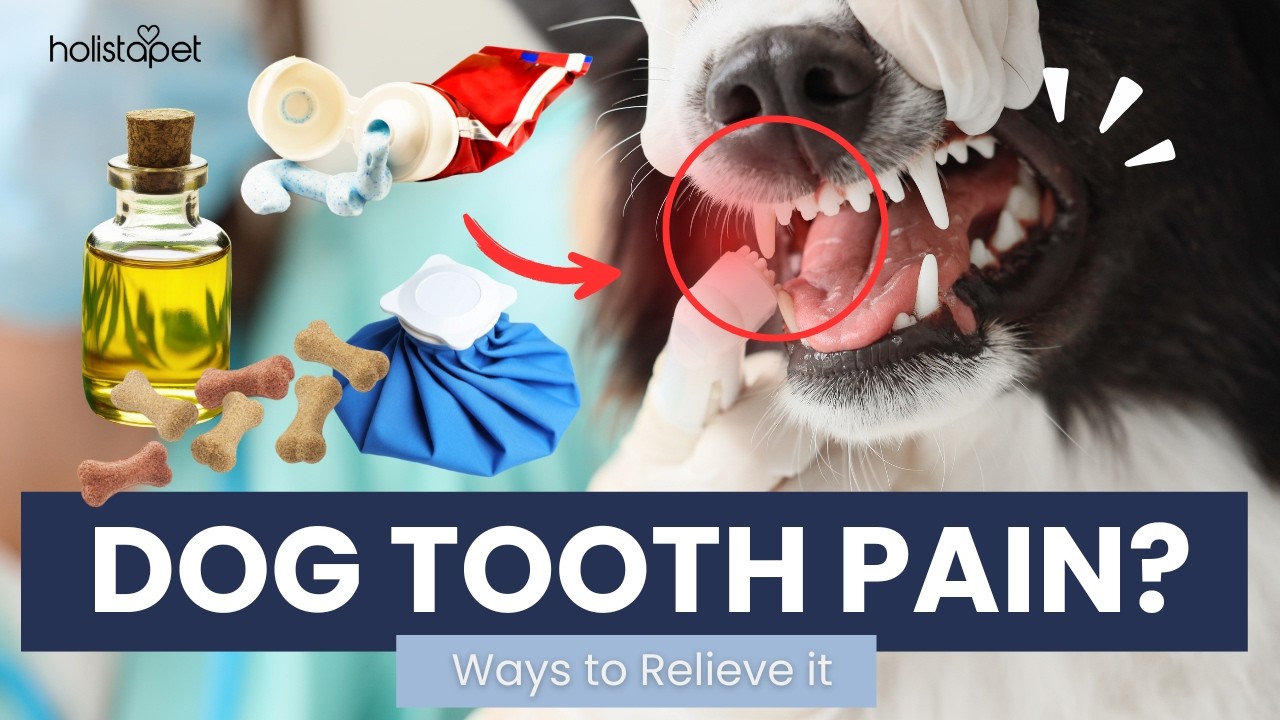
Dog tooth pain relief for dogs depends on the cause, but safe options always involve veterinary guidance, proper pain medication, and targeted dental treatment.
|
Option |
Purpose |
When to Use |
Key Benefit |
|
Veterinary pain medication |
Manage pain and inflammation |
Mild to severe pain |
Safe and targeted pain relief |
|
Dental procedures |
Treat root cause |
Advanced dental issues |
Long term resolution |
|
CBD support |
Support comfort |
Mild dental discomfort |
Calming and anti inflammatory effect |
|
Soft diet |
Reduce chewing stress |
During active pain |
Easier eating |
|
Avoid harmful substances |
Prevent complications |
At all times |
Protects dog health |
1. Veterinary Pain Medication
A veterinarian provides the safest pain relievers for dental pain and helps manage pain based on severity.
- Prescribed pain meds reduce inflammation and relieve pain safely.
- Oral medications target pain in dogs without harming the dog's body.
- Vets adjust treatment based on dental disease and overall health.
Research from the American Veterinary Medical Association states that veterinarians rely on approved NSAIDs to manage pain in dogs safely and effectively.
2. Dental Treatment and Procedures
Treat the root cause to stop tooth pain long term.
- Dental cleaning removes tartar buildup and bacteria.
- Tooth extractions resolve severe pain from infected teeth or a tooth root abscess.
- Dental x rays and dental x detect hidden dental problems below the gum line.
- Procedures often require general anesthesia for a complete oral exam.
Untreated dental issues can lead to more severe health problems affecting the dog’s overall health.
3. Natural Support Options
Some natural options support comfort but do not replace veterinary care.
- CBD oil dropper for dogs products may reduce inflammation and calm dogs during dental recovery.
- Holistapet produces CBD oils and best CBD treats for dogs designed specifically for dogs, using broad-spectrum CBD combined with natural anti-inflammatory ingredients. Each batch undergoes third-party lab testing to ensure consistent potency and safety, supporting comfort during mild dental discomfort.
A 2022 study in Frontiers in Veterinary Science found that CBD reduced pain scores in dogs with osteoarthritis, supporting the body’s natural balance and homeostasis — though researchers note broader chronic pain applications remain under study.
4. Soft Diet and Home Adjustments
Simple changes can reduce discomfort during recovery.
- Switch to wet food to ease difficulty eating.
- Avoid hard dog chews that stress the dog's teeth.
- Keep the dog's mouth clean to prevent worsening dental problems.
These steps help reduce pressure on sensitive areas while the dog recovers.
Some dogs recovering from dental procedures may also benefit from a supportive canine probiotic supplement to help maintain digestive balance during dietary changes.
5. What to Avoid
Some common choices can worsen dental pain or cause harm.
- Do not give human medication from the medicine cabinet.
- Avoid unapproved pain relievers that can damage the dog's body.
- Never use random other medications without veterinary care.
The FDA warns that many human pain relievers can cause serious toxicity in dogs.
How Do I Prevent Tooth Discomfort in Dogs?

Preventing tooth pain in dogs starts with consistent dental care and early action to stop dental problems before they progress.
- Brush the dog's teeth daily: Remove plaque and prevent tartar buildup along the gum line.
- Schedule regular dental check ups: Detect dental issues early through a veterinary exam and oral exam.
- Provide safe dog chews: Help naturally clean teeth and reduce buildup without damaging the dog's teeth.
- Maintain routine dental cleaning: Professional cleanings support long term dental health.
- Monitor for early signs: Watch for bad breath, bleeding gums, or swollen gums.
- Feed a balanced diet: Support oral health and reduce the risk of tooth decay.
- Address issues quickly: Seek veterinary care at the first sign of dental discomfort or visible swelling.
- Follow a treatment plan: Manage existing dental disease to prevent worsening conditions.
- Check the oral cavity regularly: Look for fractured teeth, infected teeth, or changes in the dog's mouth.
Maintaining calm daily routines with products like melatonin for dogs may also help anxious pets tolerate oral care more comfortably.
When Do We Go to the Vet for Canine Tooth Pain?

Go to the vet immediately when tooth pain shows clear signs of infection, injury, or worsening dental disease. Early veterinary care prevents severe health problems and protects the dog’s overall health.
Seek help right away if you notice:
- Severe pain or constant whining
- Difficulty eating or complete refusal to eat
- Visible swelling around the face or jaw
- Bleeding gums or swollen gums
- Broken tooth or fractured teeth
- Signs of a tooth root abscess such as pus or swelling
Do not wait if symptoms worsen or persist:
- Persistent bad breath that signals infection
- Loose teeth or tooth loss
- Infected teeth or signs of gum disease
- Lethargy or signs of chronic pain
- Changes in behavior linked to pain in dogs
A veterinary exam allows proper diagnosis and treatment. Vets may use dental x rays, perform an oral exam, and recommend dental procedures such as tooth extractions or other treatments to relieve pain and restore oral health.
Pet owners uncertain about symptoms sometimes first ask whether is ask a vet online legit before scheduling professional care.
What to Do Next?
Tooth pain needs quick action. Start with a vet exam, adjust the diet during recovery, and book a professional dental cleaning.
Keeping pets calm during recovery with guidance from our how can i relax article may also support smoother healing routines.
For more wellness articles, preventative care tips, and pet health resources, explore our full dog care help library.
Frequently Asked Questions
Can I use home remedies for my dog’s tooth pain?
Home remedies do not treat the root cause of dental pain. Some may offer mild relief, but veterinary care remains necessary to manage pain and fix dental issues safely.
How long can a dog live with untreated tooth pain?
Untreated dental pain can last for months and often worsens into severe health problems. Infection can spread and affect the dog’s body and overall health.
Are certain breeds more prone to dental problems?
Yes. Small breeds and dogs with crowded teeth face higher risk of tartar buildup, gum disease, and tooth decay.
Can tooth pain affect my dog’s behavior?
Yes. Dogs with dental discomfort may become irritable, withdrawn, or less active due to ongoing pain.
Is bad breath always a sign of dental disease?
Strong or persistent bad breath often signals dental problems like infection, gum disease, or tooth decay and needs a veterinary exam.








Leave a comment
All comments are moderated before being published.
This site is protected by hCaptcha and the hCaptcha Privacy Policy and Terms of Service apply.