

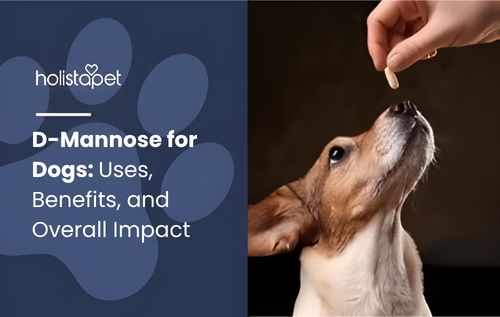
Urinary issues in dogs can appear quickly and cause pain. D-mannose helps support the urinary tract and may reduce recurring problems. Many owners use it to keep their dogs comfortable and healthy.
What is D-Mannose for Dogs?
D-mannose is a natural sugar related to glucose. It occurs in small amounts in fruits like cranberries and apples. Manufacturers also produce it as a supplement in powder or capsule form for animal use.
How Does D-Mannose Work for Dogs?

D-mannose works by interacting with certain bacteria in the urinary tract. It binds to the surface of these bacteria, which prevents them from attaching to the bladder wall.
Once bound, the body can flush the bacteria out through urine during normal urination. This process helps keep the urinary tract clear.
- Targets common bacteria that cause urinary issues
- Blocks bacterial attachment to the bladder lining
- Supports natural flushing through urination
- Does not rely on antibiotics to act
What are the Benefits of D-Mannose for Dogs?
D-mannose supports urinary tract health in dogs and helps manage recurring issues.
Helps reduce recurrence of urinary tract infections
D-mannose may lower the chance of repeat infections by limiting bacterial buildup in the bladder.
- Veterinarians commonly recommend D-mannose for dogs with frequent urinary issues.
- Supports a cleaner urinary environment over time
Some veterinary sources reference studies in humans showing reduced recurrence of UTIs with D-mannose use, particularly research published in the World Journal of Urology.
Supports bladder comfort
Dogs with urinary concerns often show signs of discomfort. D-mannose can help ease that by supporting a healthier bladder lining.
- May reduce irritation linked to bacterial presence
- Helps dogs maintain normal urination patterns
Gentle and well tolerated
Many pet owners choose D-mannose because it works without harsh compounds.
- Non antibiotic option for ongoing support
- Suitable for long term use in many cases
Veterinary guidance often notes that D-mannose passes through the body without major metabolism, which helps explain its low risk profile.
Easy to administer
D-mannose comes in forms that fit daily routines.
- Available as powder or capsules
- Can mix with food or water for convenience
How Do I Dose D-Mannose for Canines?

D-mannose dosing for dogs depends on body weight, product form, and the purpose of use. Most guidelines rely on general ranges rather than fixed rules, so consistency matters more than precision.
Veterinarians often suggest splitting the daily amount into two servings to maintain steady support.
- Small dogs under 20 lbs: About 125 to 250 mg, one to two times daily
- Medium dogs 20 to 50 lbs: About 250 to 500 mg, one to two times daily
- Large dogs over 50 lbs: About 500 to 1,000 mg, one to two times daily
For short term support, some increase frequency to every 8 to 12 hours for a few days.
- Powder form allows easier adjustment by weight
- Capsules can work for fixed dosing but may need splitting
- Mix with food or water to improve intake
Veterinary sources often recommend starting on the lower end, then adjusting based on response and tolerance. Always confirm dosing with a veterinarian, especially for dogs with existing conditions.
Can D-Mannose Give Side Effects To My Dog?
D-mannose rarely causes side effects in dogs and most tolerate it well.
- Mild diarrhea can occur with higher doses
- Loose stools may appear during initial use
- Bloating or slight digestive upset in sensitive dogs
- Increased blood sugar remains unlikely but needs caution in diabetic dogs
- Reduced appetite in rare cases
Stop use and consult a veterinarian if unusual symptoms appear.
What are the Most Popular Forms of D-Mannose for Dogs?

D-mannose for dogs comes in a few common forms that fit different routines and preferences.
|
Form |
Key Features |
Best For |
|
Powder |
Mixes easily with food or water. Flexible dosing. |
Dogs needing precise adjustments. |
|
Capsules |
Pre measured doses. Easy to store and use. |
Owners who prefer convenience. |
|
Tablets |
Simple and quick to give. Fixed dosing. |
Dogs comfortable with pills. |
|
Liquid |
Fast absorption. Easy to administer. |
Picky dogs or those avoiding solids. |
When Do I Approach the Vet for Canine D-Mannose?
Consult a veterinarian before starting D-mannose if a dog shows signs of a urinary issue such as frequent urination, straining, blood in urine, or pain. Seek guidance if symptoms persist, worsen, or return after initial improvement.
Professional advice also matters for dogs with diabetes, chronic conditions, or those taking other medications to ensure safe and proper use.
Are There Helpful Alternatives to D-Mannose for Dogs?
Several alternatives can support urinary health in dogs, especially when D-mannose alone does not meet a dog’s needs.
Cranberry extract
Cranberry helps reduce bacterial attachment in the urinary tract and supports long term prevention.
Research published in the American Journal of Veterinary Research by Chou et al. showed that dogs given cranberry extract had reduced bacterial adhesion and did not develop UTIs during the study period.
- Contains proanthocyanidins that interfere with bacterial binding
- Works through a different pathway than D-mannose
- Often used for maintenance support
Probiotics
Probiotics support immune function and may strengthen the body’s natural defenses in the urinary system.
A study by Song et al. found that certain Lactobacillus strains can trigger immune responses that help bladder cells fight bacteria.
- Supports gut and immune balance
- May help the body manage harmful bacteria
- Works best as part of a broader routine
Herbal and natural support
Some plant based options help maintain urinary flow and overall wellness.
- Cranberry, dandelion, and marshmallow root support urinary health
- Increased hydration helps flush unwanted particles
- Diet quality plays a role in maintaining balance
CBD
CBD based products can support overall wellness, including stress and inflammation that may affect urinary health.
HolistaPet offers options like CBD dog treats and CBD oil for dogs that fit into daily routines without disrupting feeding habits. These products aim to support calm behavior and general balance, which can indirectly support urinary health.
- CBD may help regulate stress responses in dogs
- HolistaPet uses broad spectrum CBD in pet specific formulas
- Easy to include alongside other supplements
Many owners combine these approaches to create a more complete urinary care plan, especially for dogs with recurring concerns.
D-Mannose Can Help Your Dog in Plenty of Ways

D-mannose offers a simple and well-tolerated option for supporting urinary health in dogs. Proper use, correct dosing, and timely veterinary guidance help ensure safe and effective results.
Learn more about dog nutrition here.
Frequently Asked Questions
Can puppies take D-mannose?
Yes. A veterinarian should confirm safety and dosing based on age and weight.
How long does D-mannose take to show results in dogs?
Some dogs show improvement within a few days with consistent use.
Can D-mannose be given daily to dogs?
Yes. Many owners use it daily, but long-term use should follow veterinary guidance.
Does D-mannose interact with other supplements?
It rarely interacts with other supplements. A veterinarian should still review combinations.
Can D-mannose replace antibiotics for dogs?
No. A veterinarian should treat severe infections with proper medication.
 CBD Oil for Dogs - Fast Acting
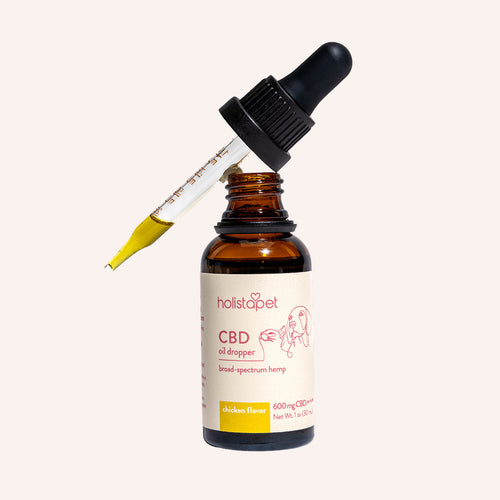 Chicken Flavored CBD Oil For Dogs - Easy Dose
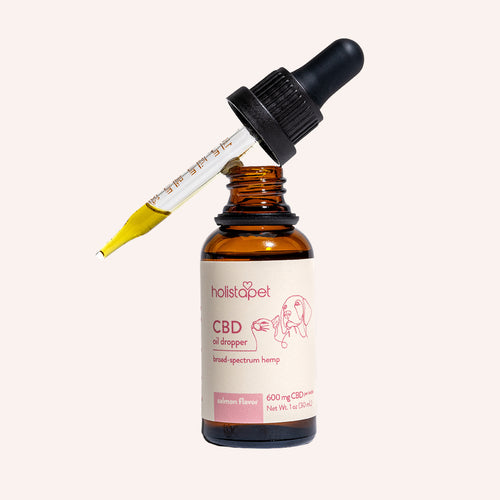 Salmon Flavored CBD Oil For Dogs - Highly Rated
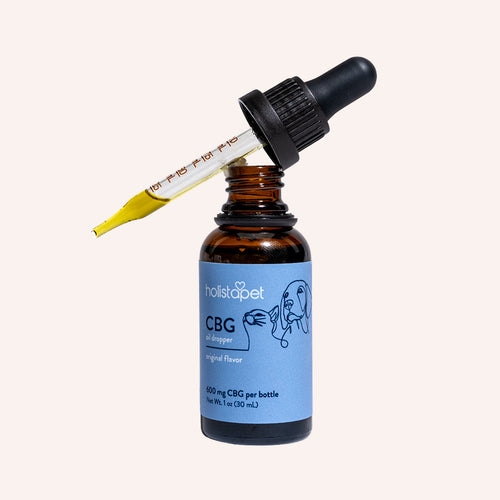 CBG Oil for Dogs and Cats - Loved by Thousands










1 comment
Helen
Can you please confirm that the ingredients in the powder form are safe to use on my dog who has diabetes and therefore UTI’s are frequent for her. Thank you
Leave a comment
All comments are moderated before being published.
This site is protected by hCaptcha and the hCaptcha Privacy Policy and Terms of Service apply.