


This article provides safe and effective home remedies to relieve ear mites in cats, helping pet owners manage mild infestations and soothe irritation. Safe home remedies can help relieve ear mites in cats and support recovery when applied properly.
Applying the correct remedies safely reduces irritation and helps maintain a cat’s ear health.
What are Ear Mites in Cats?
Ear mites are tiny parasites that live inside a cat’s ear canal and feed on skin debris. They cause intense itching, irritation, and a buildup of dark, crumbly wax that often looks like coffee grounds. Ear mites (Otodectes cynotis) are common feline parasites that feed on skin debris in the ear canal. (Merck Veterinary Manual: Ear Mites in Cats)
What are the Symptoms of Cat Ear Mites?

Ear mites cause noticeable discomfort, and the signs often show up quickly in a cat’s behavior and ears.
-
Frequent scratching of the ears
- Head shaking or tilting
-
Dark, crumbly debris inside the ears
-
Redness or inflammation in the ear canal
-
Strong or unusual odor from the ears
-
Scabs or hair loss around the ears
- Sensitivity when the ears are touched
What are the Best Home Remedies for Ear Mites in Cats?
Home remedies can ease irritation and help control ear mites when used correctly, especially in mild cases. The key is choosing safe, gentle options that target mites while supporting your cat’s comfort and recovery.
|
Remedy |
Main Benefit |
How It Helps |
Best Use Case |
|
Olive Oil |
Physical mite control |
Suffocates mites and loosens debris |
Mild infestations |
|
Coconut Oil |
Skin support |
Antimicrobial and soothing effects |
Irritated ears |
|
Apple Cider Vinegar |
Surface cleaning |
Creates unfavorable environment for mites |
Outer ear care |
|
Aloe Vera |
Anti inflammatory |
Calms redness and irritation |
Healing support |
|
Ear Cleaning |
Preventive care |
Removes debris and improves treatment results |
Daily routine |
|
CBD (HolistaPet) |
System support |
Works with ECS to reduce stress and inflammation |
Comfort and recovery |
1. Olive Oil Treatment
Olive oil coats ear mites, loosening debris and suffocating them to disrupt their ability to survive. Studies indicate that oil-based treatments can help loosen debris and reduce mite activity. (ASPCA: Ear Mite Treatments)
-
Softens hardened wax and buildup for easier cleaning
-
Creates a barrier that limits mite movement and breathing
- Soothes irritated skin inside the ear
Use a few warmed drops, massage gently, then wipe away excess. Repeat consistently for at least one to two weeks for best results.
2. Coconut Oil Support
Studies show that coconut oil offers antimicrobial and anti inflammatory benefits, which can calm irritation while helping reduce mite activity.
-
Contains lauric acid that may disrupt parasites
-
Helps reduce redness and dryness in the ear canal
- Supports healing of minor skin damage
Veterinarians note that coconut oil does not fully eliminate mites on its own and works best as supportive care alongside other treatments.
3. Diluted Apple Cider Vinegar
Apple cider vinegar creates an environment that mites struggle to tolerate while helping clean the outer ear.
-
Balances pH levels on the skin
-
Helps reduce bacteria that can lead to infection
- Aids in removing surface debris
Always dilute with water and apply only to the outer ear to avoid irritation.
4. Aloe Vera for Soothing Relief
Aloe vera works best for calming inflammation rather than targeting mites directly.
-
Provides cooling relief for irritated skin
-
Supports faster healing of scratches
- Reduces swelling caused by constant scratching
Use only pure, pet safe aloe and apply lightly to affected outer areas.
5. Gentle Ear Cleaning Routine
Regular cleaning plays a major role in managing mites and preventing buildup.
-
Removes debris where mites thrive
-
Improves effectiveness of other remedies
- Helps monitor progress and detect issues early
Veterinary guidance emphasizes cleaning before applying treatments to improve results.
6. CBD for Comfort and Recovery
CBD supports your cat through the endocannabinoid system, which helps regulate inflammation, stress, and immune response. Research on cannabinoids shows they interact with ECS receptors involved in pain and inflammatory control, which explains their calming effects.
HolistaPet cultivates its hemp organically under controlled greenhouse conditions, optimizing light and soil nutrients to enhance cannabinoid and terpene production. Their CBD contains naturally occurring terpenes like myrcene, limonene, and linalool, which support calming and anti-inflammatory effects while maintaining consistent potency for cats.
Research on cannabidiol indicates potential for stress and inflammation support, though it does not replace veterinary treatment. Journal of Feline Medicine and Surgery – CBD in Cats
-
Helps reduce itch driven behavior and stress
-
Supports a balanced inflammatory response
- Encourages overall wellness during recovery

CBD does not kill mites directly, but it makes the healing process more manageable for your cat.
Are Feline Ear Mites Contagious?
Yes, feline ear mites are highly contagious. They spread easily through direct contact between animals, especially in multi pet homes or shelters.
Cats can pass mites to other cats, dogs, and even small animals, making early treatment important to prevent reinfestation and protect other pets nearby.

Related Article: Home Remedies for Fleas on Cats [Helpful Tips Inside!]
What are the Risks of Ignoring Cat Ear Mites?
Ignoring ear mites can lead to worsening discomfort and more serious ear problems over time.
-
Severe ear infections: Bacterial or yeast infections can develop from untreated irritation.
-
Intense inflammation: Swelling inside the ear canal can cause pain and sensitivity.
-
Wounds and scabs: Constant scratching can break the skin and lead to injury.
-
Hearing issues: Blockage and damage may affect hearing if left untreated.
-
Spread to other pets: Mites can quickly infest other animals in the household.
- Chronic ear damage: Long term irritation can lead to lasting ear canal problems.
When Do I Take My Cat with Ear Mites to the Vet?
Take a cat with ear mites to the vet when symptoms become severe, persist despite home care, or show signs of complications. Early veterinary treatment prevents infections and long term damage.
-
No improvement after home care: Symptoms continue after one to two weeks of consistent treatment.
-
Severe redness or swelling: The ear canal looks inflamed or painful to the touch.
-
Foul odor or discharge: Strong smell or pus may signal a secondary infection.
-
Bleeding or open wounds: Scratching causes visible injury or scabs that worsen.
- Balance issues: Head tilting, stumbling, or disorientation may indicate deeper ear involvement.
A vet can confirm the diagnosis, clean the ears safely, and prescribe targeted treatments that eliminate mites more effectively than home remedies alone.
Great For Cats: CBD Product for Cats
Treat Feline Ear Mites Right Away
Simple home care can ease discomfort and help manage ear mites when applied consistently and safely. Monitor symptoms closely and seek veterinary care if signs worsen or do not improve.
Frequently Asked Questions
Can indoor cats get ear mites?
Yes, indoor cats can still get ear mites through contact with other pets, contaminated items, or brief exposure to infected animals.
How long does it take to get rid of ear mites in cats?
Most cases improve within one to three weeks with consistent treatment, but full elimination depends on severity and proper care.
Can humans get ear mites from cats?
Ear mites rarely affect humans, but they may cause temporary skin irritation in very uncommon cases.
Do ear mites go away on their own?
No, ear mites do not resolve without treatment and will continue to multiply and cause discomfort.
Should all pets be treated if one has ear mites?
Yes, treating all pets in the household helps prevent reinfestation and stops mites from spreading.
Can ear mites live in a cat’s environment?
Ear mites can survive for a short time on bedding or surfaces, which is why cleaning your cat’s environment supports treatment.
 CBD Oil for Cats - Fast Acting
 Salmon Flavored CBD Oil For Cats - Easy Dose
 Chicken Flavored CBD Oil for Cats - Highly Rated
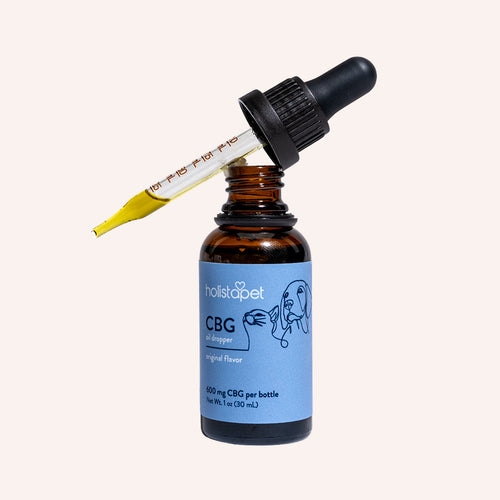 CBG Oil for Dogs and Cats - Loved by Thousands









2 comments
Betty
Helpful but wish I had access to this info much earlier. Have been feeding a feral cat for yrs now. When I first trapped & had her fixed the vet told me she has ear mites. But as she was/is now less feral I still cant bring her to a vet like a regular cat. I thought she has an abcess but could be an ear hematoma. Further guidance would be appreciated if available.
Velma Turner
Thank you . Tis info easy read and very helpful
Leave a comment
All comments are moderated before being published.
This site is protected by hCaptcha and the hCaptcha Privacy Policy and Terms of Service apply.