

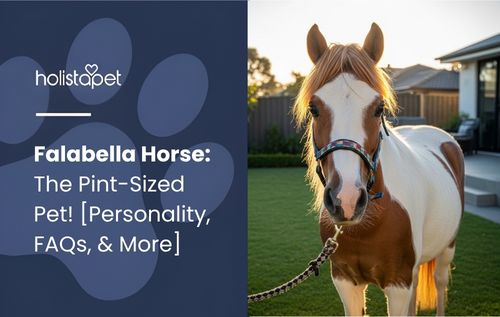
Though tiny in size, the Falabella horse stands out as the smallest horse breed in the world. Many people wonder how to properly care for such small equines, from feeding to daily handling.
This guide explains the Falabella’s breed traits, dietary needs, and essential care tips to help keep these miniature horses healthy and thriving.
What is the Falabella Horse Breed?

The Falabella horse is a rare miniature breed recognized as the smallest horse breed in the world, developed through careful selective breeding in Argentina.
Unlike ponies, the Falabella maintains the balanced proportions of a full-sized horse while staying extremely small, making it one of the most distinctive miniature horses among all horse breeds.
Breed Overview
|
Detail |
Information |
|
Origin |
Argentina, Southern Buenos Aires Province |
|
Breed Type |
Miniature horses |
|
Height |
Around 28 to 34 inches |
|
Weight |
About 70 to 100 kg depends on age and condition |
|
Colors |
Pinto, Appaloosa, brown, and other common colors |
|
Temperament |
Gentle, calm, and easy to handle |
|
Average Price |
Varies widely depending on bloodlines and breeders |
|
Population Status |
Rare but stable among breeders |
|
Lifespan |
25 to 40 years |
History and Origin
The Falabella horse originated in Argentina during the mid-nineteenth century.
The Falabella family developed a focused breeding program that shaped small equines into a consistent and recognizable breed. Juan Falabella, followed by his son-in-law, expanded the breeding program using selective breeding and carefully chosen bloodlines.
Patrick Newell made early contributions that helped shape the herd, and the breeding program produced small horses with refined features and balanced conformation.
Establecimientos Falabella became central to preserving most Falabellas seen in the world today.
Breed Organizations and Registry
Several groups support the recognition and tracking of Falabella miniature horses.
The American Miniature Horse Association and the American Miniature Horse Registry both include miniature horses, though they differ in breed types and standards. Dedicated Falabella breeders maintain private records tied to original Argentine bloodlines to preserve the breed’s unique characteristics.
These organizations also promote miniature horse shows, encourage responsible breeding, and help maintain a consistent height and overall appearance across the breed.
What are the Falabella’s Characteristics?

The Falabella stands out for its extremely small-size, refined build, and calm nature. This smallest horse breed combines the look of a full-sized horse with the compact form of small equines.
Physical Traits
Falabella horses maintain horse-like proportions within a miniature frame.
- Small stature with a consistent height even in adulthood.
- Slim frame with strong conformation and a well-developed musculoskeletal system.
- Sleek coat that comes in pinto, appaloosa, brown, and other common colors.
- Refined head and overall appearance similar to larger horses.
Size and Build
The breed retains full horse structure despite its miniature size under 34 inches
- Average height stays under 34 inches
- Light body weight compared to other horse breeds
- Not classified as small ponies due to proportional body structure
- Considered part of small horses rather than ponies
Temperament and Behavior
Falabella horses are known for their gentle and friendly nature.
- Calm temperament makes them easy to handle
- Gentle behavior suits small children and beginner handlers
- Social animals that prefer staying in a herd
- Often used as therapy horses, including support for blind people
Coat Colors and Appearance
Coat variations include pinto and appaloosa patterns, which are commonly observed across registered Falabella bloodlines.
- Wide range of coat colors including pinto and appaloosa patterns.
- Most common colors include brown and mixed patterns.
- Retains full horse proportions in a miniature frame.
- Clean and polished look with a smooth, sleek coat.
Do Falabella Horses Have Health Issues?

- Digestive issues: Sensitive digestion means Falabella's diet must include balanced food, hay, and controlled portions to avoid colic.
- Weight management: Low body weight can drop quickly without proper feeding, while overfeeding leads to obesity in small equines.
- Musculoskeletal strain: Their musculoskeletal system can suffer if used for heavy riding or improper handling.
- Dental problems: Small jaw structure may lead to overcrowding, requiring regular checks by a veterinarian.
- Reproductive risks: Mares and foals may face complications due to small-size during breeding.
- Environmental sensitivity: Extreme weather can affect small horses faster, so proper shelter and pasture care is essential.
How Do I Take Care of a Falabella Horse?
Feeding and Nutrition
- Feed high-quality hay and allow access to pasture
- Adjust intake based on body weight to prevent obesity or underfeeding
- Limit grains to reduce the risk of laminitis
- Provide clean water at all times
Housing and Space
- Use secure fencing suited for small horses
- Provide shelter from heat, rain, and cold
- Keep them in a herd to reduce stress
- Clean pasture and living areas regularly
Exercise and Handling
- Allow free movement in pasture
- Avoid riding due to small size and build
- Use light training and interaction to keep them active
- Supervise children during handling
Grooming and Health Care
- Brush regularly to maintain a sleek coat
- Schedule veterinarian visits for dental and health checks
- Trim hooves consistently
- Monitor overall condition and weight
Calming Support and Supplements
- Some equine care routines include calming support products; however, any supplement use should be discussed with a veterinarian before introduction.
- CBD oil formulations for horses are sometimes used as part of calming support routines
- CBD pellets are also used by some horse caretakers during travel or environmental changes
- Consult a veterinarian before introducing supplements
Falabella Horse: The Most Adorable Equine

The Falabella horse combines small size with the structure and temperament of a full-sized horse. With proper care, balanced feeding, and safe handling, these miniature horses can live long, healthy lives while remaining gentle companions for families and breeders alike.
Frequently Asked Questions
Are Falabella horses good pets?
Yes, Falabella horses make good pets for the right environment. They stay gentle, social, and easy to handle, which suits families and small children. They also bond well with humans and other animals, but they still require proper space, care, and daily attention like other horses.
Can Falabella horses live with other animals?
Yes, Falabella horses can live with other animals. They adapt well to shared pasture with compatible species such as goats or other small equines. Their calm temperament helps them integrate into a herd, but proper introductions and supervision prevent stress or injury.
How much space does a Falabella horse need?
Falabella horses need less space than a full-sized horse, but they still require adequate pasture. A small farm setup with room to move freely supports their health. Limited space can lead to boredom, weight issues, and reduced activity.
Are Falabella horses easy to train?
Yes, Falabella horses respond well to training. They learn quickly due to their intelligence and calm nature. Simple routines, positive reinforcement, and consistency help them develop good behavior and basic skills.
Do Falabella horses need special fencing?
Yes, Falabella horses need secure fencing designed for small-size animals. Standard horse fencing may have gaps that allow escape. Tighter spacing and lower heights help keep them safe within the pasture.
How often should a Falabella horse see a veterinarian?
Falabella horses should see a veterinarian at least once or twice a year. Regular checkups help detect issues early, especially dental and weight-related concerns. Routine care also includes vaccinations, deworming, and health monitoring.








Leave a comment
All comments are moderated before being published.
This site is protected by hCaptcha and the hCaptcha Privacy Policy and Terms of Service apply.