



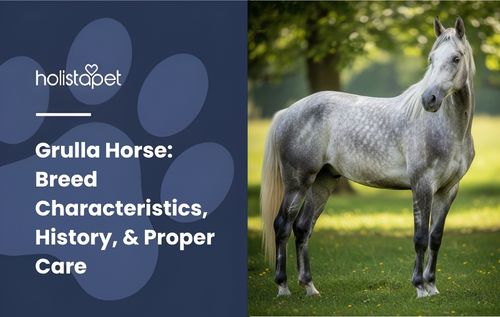
A dapple grey horse is known for its developing coat pattern, where dark and light hairs blend to create distinctive circular markings called dapples. Unlike fixed coat colors, this appearance changes over time as the horse matures.
Most grey horses are born with a darker base coat that gradually lightens due to genetic factors, creating a visually dynamic transformation throughout their lives.
What is a Dapple Grey Horse?

A dapple grey horse is a grey-coated horse that displays mottled circular patterns formed by variations in pigmentation during the greying process. These dapples appear when darker underlying hairs contrast with newly lightened hairs.
This coat change is driven by a dominant grey gene that gradually reduces pigment production in the hair over time. While the coat lightens, the skin underneath typically remains dark.
According to the University of California, Davis Veterinary Genetics Laboratory, the grey gene acts as a dominant modifier gene that causes progressive depigmentation in the hair follicles over time, even though the skin usually stays dark.
Which Horse Breeds Have the Dapple Grey Pattern?
Several horse breeds like Arabian, Mangalarga Marchador, and Standardbred commonly develop the dapple grey patterns, it appears in many breeds with grey genetics, though the shape and contrast of the dapples can vary, and it is believed that all grey thoroughbreds descended from one particular grey horse from the 1700s named Alcock's Arabian.
|
Horse Breed |
Common Base Color at Birth |
Dapple Grey Appearance |
Notable Traits |
|
Thoroughbreds |
Bay, Black, Chestnut |
Strong contrast with visible dapples during mid-aging stages |
Common in racing and sport horses |
|
Arabian |
Bay or Black |
Fine dapple gray pattern across the entire body |
Refined head shape and high tail carriage |
|
Dark Bay or Black |
Light grey coat with bold dapples |
Common in dressage and classical riding |
|
|
Percheron |
Black |
Large dapple horse pattern with muscular build |
Heavy draft breed with powerful legs |
|
Welsh Pony |
Chestnut or Bay |
Soft grey coat color with lighter markings |
Smaller equine breed popular for children |
|
Lipizzan |
Born dark |
Coat continues to lighten until nearly completely white |
Famous for performances at the Spanish Riding School |
|
Connemara Pony |
Bay or Roan |
Balanced dapples across the body and mane |
Athletic breed known for jumping ability |
10 Key Facts About Grey Coat Patterns in Horses

The dapple grey horse coat changes constantly with age, genetics, and seasonal shedding. Many horses show bold dapples for only part of their lives before the coat turns lighter or completely white.
1. Dapples Are Often Temporary
A dapple gray coat often appears during the middle stage of the greying process. As the horse matures, the coat continues to lighten.
- Most horses lose visible dapples in their late teens
- Some develop a flea bitten pattern with small freckles across the coat
- Horses born grey may skip strong dapples entirely
2. Grey Horses Are Typically Born Dark
Many grey horses look nothing like their adult appearance at birth. A foal commonly arrives with a black, bay, or chestnut base color.
- The grey gene slowly removes pigment from the hair follicles
- White hairs begin around the head and eyes first
- Dark hairs remain visible for several years in some horses
According to researchers at the University of Saskatchewan, the genetic mutation linked to greying affects pigment cells over time rather than changing the original DNA of the base coat itself.
3. Skin Color Usually Remains Dark
Even when the coat turns completely white, the skin underneath often stays dark skin instead of pink skin.
- Dark skin helps distinguish a grey horse from a true white horse
- Pink skin appears more commonly in dilution gene patterns
- The muzzle and eyes often reveal the real skin color clearly
4. Seasonal Coat Changes Affect Appearance
Seasonal coat growth changes the visibility of dapples, especially when influenced by a specific allele affecting coat pattern expression.. A thick winter coat can blur the contrast across the body.
- Dapples appear sharper after spring shed
- Nutrition and grooming also affect coat shine
- Light grey horses may show softer patterns during colder months
5. Flea-Bitten Markings May Appear Later
Flea bitten horses show tiny red or dark freckles scattered across the entire body after the coat turns lighter.
- The markings usually appear later in life
- Arabian and Lipizzan horses commonly show this pattern
- Flea bitten horses rarely keep strong dapples at the same time
6. Grey and Roan Are Genetically Different
People often confuse blue roan horses with dapple grey horses because both coats mix dark and white hairs.
- Roan keeps the same color pattern throughout life
- Grey horses lighten every year
- A blue roan usually keeps a darker head and legs permanently
The American Quarter Horse Association explains that roan genetics and grey genetics come from separate gene actions.
7. Some Grey Horses Have Blue Eyes
Blue eyes can appear in grey horses, though the trait does not come from the grey gene itself.
- Other color genes influence eye color
- Most grey horses develop brown eyes
- Blue eyes appear more often in horses with additional white markings
8. Silver Dapple Is a Different Color Pattern
Silver dapple and dapple grey sound similar, but they come from different genetics.
- Silver dapple affects black pigment specifically
- The mane and tail often lighten dramatically
- The body may show a chocolate or light appearance instead of grey
9. DNA Testing Can Confirm Grey Genetics
Modern DNA testing helps breeders identify horses with one copy of the grey gene.
- A horse only needs one copy to turn grey
- The gene passes easily through breeding lines
- Thoroughbreds and Andalusians commonly carry the trait
Researchers at the University of California, Davis Veterinary Genetics Laboratory identified the STX17 gene duplication connected to grey coat progression in equine genetics.
10. Grooming Can Make Dapples More Visible
Healthy skin and coat care improve the visibility of dapples and contrast.
- Regular brushing removes loose hair after shed season
- Balanced nutrition supports coat color quality
- Sunlight can affect the visible shade of the grey coat
Do Dapple Grey Horses Require the Same Care?

Yes. Dapple grey horses usually need the same daily care as most horses, but their light grey coat and changing skin pigmentation require extra attention.
Regular grooming, sun protection, coat monitoring, and proper study of skin and coat conditions help maintain healthy skin, visible dapples, and appearance.
Groom the Coat Regularly
A clean coat helps dapples stand out and reduces dirt buildup on lighter areas.
- Brush daily during heavy shed seasons
- Use soft grooming tools around the face and legs
- Clean the tail and mane often to prevent staining
- Check the skin for irritation beneath thick winter hair
Protect Light Colored Areas From Sun Exposure
Grey horses with lighter skin around the nose or eyes can develop sun sensitivity during summer.
- Apply equine safe sunscreen on pink skin areas
- Provide shade during peak afternoon heat
- Watch for dry patches around the head and muzzle
- Keep fresh water available at all times
Support Coat Health Through Nutrition
Healthy nutrition improves coat color, shine, and hair growth.
- Feed balanced minerals and omega fatty acids
- Add quality forage to maintain skin condition
- Support hydration during hot weather
- Monitor changes in freckles or unusual markings
The University of Kentucky Equine Research program notes that fatty acids and trace minerals play a major role in coat condition and seasonal hair changes in horses.
Watch for Skin Changes as the Horse Ages
Grey horses face a higher risk of melanoma as they grow older, especially around the tail and head.
- Check for dark lumps beneath the skin
- Schedule regular veterinary exams
- Track changes in shape or size of growths
- Begin monitoring early in the horse matures stage
CBD in Equine Care: Research and Considerations

CBD (cannabidiol) is sometimes discussed in equine care contexts in relation to areas such as stress response, comfort, and mobility. However, current scientific research on its effects in horses remains limited, and there is no established consensus on its effectiveness or long-term impact.
At present, available studies are not sufficient to confirm whether CBD may consistently support specific outcomes in horses. Observations vary between individual animals, and responses cannot be generalized across all cases.
CBD-based products for horses are available in some markets in different formulations, but there is currently no standardized regulation for dosage, quality, or veterinary approval in equine use. As a result, product composition and safety may differ depending on the manufacturer.
Because of these limitations, CBD should not be considered a proven or standardized component of horse care. If it is considered at all, it should only be done under the guidance of a licensed veterinarian to assess potential suitability, safety considerations, and individual risk factors.
Remember, if your horse has bloom dapples, a good diet and a healthy coat are necessary to make the dapples visible, so don't skip out on the grooming!
Frequently Asked Questions
Can a dapple grey horse stay dark forever?
No, most dapple grey horses continue to lighten with age. The grey coat usually changes from a darker appearance to a lighter shade as white hairs spread across the body over time.
Do all grey horses develop dapples?
No, some grey horses never show strong dapples. Genetics, nutrition, age, and seasonal coat changes all affect how visible the pattern becomes.
Why do some grey horses look silver or shiny?
Natural oils, grooming, and sunlight can create a silver dapple effect on the coat. Healthy hair reflects more light and increases contrast between dark and light areas.
Are dapple grey horses rare?
No, the pattern appears in many breeds, but strong dapples at the perfect stage of coat transition can look less common. Many owners consider this stage the most visually striking.
Can two non grey horses produce a grey foal?
No, a foal needs the grey gene from at least one parent. A horse born without the gene will not turn grey later in life.
Do dapple grey horses change color after shedding?
Yes, many horses show brighter dapples after seasonal shed periods. Fresh hair growth often creates sharper contrast across the coat and body.
Which age shows the strongest dapples?
Most horses display their clearest dapples during middle aging stages before the coat turns very light. Timing varies by breed and genetics.
Can weather affect a grey horse’s appearance?
Yes, sunlight, mud, rain, and winter growth can change how visible the dapples look. A clean summer coat usually shows the clearest pattern.







Leave a comment
All comments are moderated before being published.
This site is protected by hCaptcha and the hCaptcha Privacy Policy and Terms of Service apply.