


Caring for your pets is more than just feeding and playing with them—it involves understanding their medical needs, preventive care, and treatments to ensure they live long, healthy lives. From common illnesses to specialized treatments, pet medicine has become a crucial aspect of responsible pet ownership. Whether you’re a new pet parent or an experienced caretaker, understanding pet medicine can save lives and improve your furry friends’ overall quality of life.
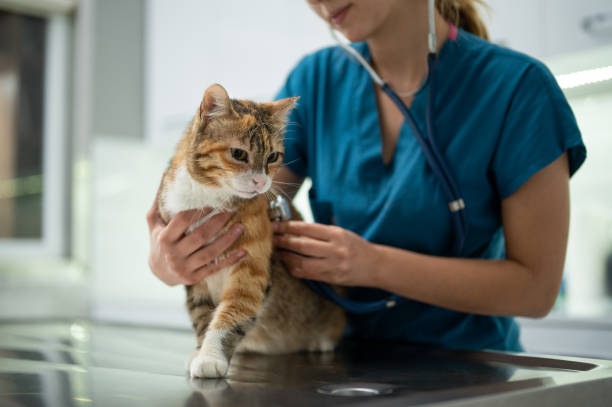 Why Is Pet Medicine Important?
Pets cannot communicate their discomfort the same way humans do, which makes monitoring their health a top priority. Regular veterinary visits, vaccinations, and preventive treatments are essential to detect potential problems early. Pet medicine helps in:
-
Preventing diseases through vaccinations and preventive care
-
Treating illnesses and infections promptly
-
Managing chronic conditions like arthritis, diabetes, or heart disease
-
Enhancing quality of life through proper nutrition and care
Common Pet Medical Issues
Every pet is unique, but some medical problems are more common than others. Being aware of these can help you act quickly if something seems wrong. Some frequent concerns include:
-
Digestive problems: Vomiting, diarrhea, or loss of appetite
-
Skin conditions: Allergies, infections, or parasites like fleas and ticks
-
Dental health issues: Plaque buildup, gum disease, and bad breath
-
Chronic illnesses: Diabetes, kidney disease, or heart issues
Preventive Pet Medicine
Prevention is always better than cure. Here are some preventive measures every pet owner should consider:
-
Vaccinations: Protects pets from serious diseases like rabies and parvovirus
-
Regular checkups: Early detection of illnesses improves treatment success
-
Proper nutrition: Balanced diets strengthen immunity and support growth
-
Parasite control: Flea, tick, and worm prevention are vital for overall health
 Frequently Asked Questions
Q1: How often should I take my pet to the vet?
A1: Most pets should have a checkup at least once a year. Puppies, kittens, and senior pets may require more frequent visits.
Q2: Can pets take human medicine safely?
A2: No, many human medications are toxic to pets. Always consult a veterinarian before administering any medication.
Q3: How can I tell if my pet is in pain?
A3: Signs include limping, decreased appetite, excessive sleeping, vocalizing more than usual, or behavioral changes.
Q4: What vaccinations does my pet need?
A4: Vaccinations vary by species, age, and health status. Core vaccines for dogs include rabies, distemper, and parvovirus; for cats, rabies, feline herpesvirus, and calicivirus.
Q5: Are supplements necessary for pets?
A5: Supplements can help with joint health, coat condition, or immune support, but should only be given under veterinary guidance.
Final Thoughts
Pet medicine is an essential part of responsible pet ownership. By staying informed, practicing preventive care, and recognizing early signs of illness, you can significantly improve your pet’s lifespan and happiness. Remember, your veterinarian is your partner in keeping your furry friend healthy and thriving.
Helpful Notes for SEO:
-
Include internal links to related content, like “Preventive Pet Care Tips” or “Top Vaccines for Dogs and Cats.”
-
Use variations of keywords like “pet health,” “veterinary care,” and “animal medicine” naturally throughout the content.
-
Optimize meta description with: “Learn everything about pet medicine, from preventive care to common illnesses and FAQs to keep your pets healthy.”
-
Add images with proper alt texts: e.g., “vet examining a dog,” “cat vaccination,” etc.








Leave a comment
This site is protected by hCaptcha and the hCaptcha Privacy Policy and Terms of Service apply.