


A cat can go from running normally to dragging its back legs in seconds. Sudden hind leg weakness often signals injury, nerve damage, a blood clot, or a serious illness that needs urgent care. Fast action can protect a cat’s life and mobility.
What Does Weakness in a Cat's Back Legs Mean?
Weakness in a cat’s back legs usually means something disrupts the nerves, muscles, spine, or blood flow that control movement. Injury, spinal problems, blood clots, infections, toxins, or underlying disease can all cause this sudden change.
Prompt veterinary care helps identify the cause and prevent further damage.
How Common is Weakness in Cat’s Hind Legs?
Hind leg weakness in cats is not rare, especially in seniors and those with heart disease, diabetes, or spinal issues. Vets see it often in emergency visits because it can appear suddenly and signal a serious problem. Any sudden change in mobility needs prompt attention.
Related Post: Senior Cat Wobbly Back Legs: Causes, Symptoms, and Care
What are the Causes of Weak Feline Back Legs?
Sudden weakness in a cat’s back legs usually stems from injury, nerve damage, poor blood flow, or underlying disease. Below are the most common causes.
1. Spinal Injury or Trauma
Falls, car accidents, or rough handling can damage the spine and affect nerve signals to the hind legs.
-
Pain when touched
-
Difficulty standing or walking
- Loss of bladder or bowel control
2. Blood Clot
A clot that blocks blood flow to the back legs can cause sudden paralysis and severe pain. This condition often links to heart disease.
-
Crying out in pain
-
Cold back paws
- Weak or absent pulse in hind legs
3. Intervertebral Disc Disease
A slipped or ruptured disc can press on the spinal cord and limit movement.
-
Wobbly gait
-
Reluctance to jump
- Back pain
4. Diabetes
Uncontrolled diabetes can damage nerves and weaken the hind legs over time.
-
Walking on hocks
-
Increased thirst and urination
- Weight changes
5. Arthritis
Joint inflammation can reduce strength and mobility, especially in older cats.
-
Stiffness
-
Trouble climbing stairs
- Decreased activity
6. Toxin Exposure
Certain toxins can affect the nervous system and cause sudden weakness.
-
Tremors
-
Vomiting
-
Disorientation
7. Infection or Inflammation
Infections that affect the brain or spinal cord can interfere with coordination and strength.
-
Fever
-
Lethargy
- Loss of balance
What are the Symptoms of Weak Back Legs in Cats?

Weak back legs in cats affect balance, strength, and coordination. Symptoms can appear suddenly or worsen over time, depending on the cause.
-
Wobbling or unsteady walking: The cat sways, stumbles, or struggles to walk in a straight line.
-
Dragging the back legs: The hind legs trail behind or fail to support body weight.
-
Difficulty standing or jumping: The cat struggles to rise, climb stairs, or jump onto furniture.
-
Crying out in pain: The cat vocalizes during movement or when someone touches the back or legs.
-
Cold or pale back paws: Poor circulation makes the hind paws feel cold or look pale.
- Loss of bladder or bowel control: Nerve dysfunction leads to accidents or difficulty eliminating.
When Do I Visit the Vet for My Cat’s Weak Hind Legs?
Visit the vet immediately if a cat’s hind legs become weak without warning, especially if you notice:
-
Sudden paralysis or inability to stand
-
Crying out in pain
-
Cold or pale back paws
-
Dragging both back legs
-
Trouble breathing
- Loss of bladder or bowel control
Schedule a prompt vet visit within 24 hours if you see:
-
Gradual weakness
-
Stiffness or limping
-
Reluctance to jump or climb
-
Noticeable behavior changes
Early diagnosis improves the chances of recovery and prevents further damage.
Can You Treat Weak Feline Hind Legs?

Yes, vets can treat weak hind legs in cats, but treatment depends on the underlying cause. Early diagnosis improves recovery and prevents permanent damage.
-
Pain medication: Reduces inflammation and improves comfort in cases like arthritis or injury.
-
Surgery: Repairs spinal injuries, disc problems, or internal damage.
-
Blood clot treatment: Restores circulation and manages underlying heart disease.
-
Diabetes management: Controls blood sugar to reduce nerve damage.
-
Physical therapy: Strengthens muscles and improves mobility.
- Supportive care: Includes rest, assisted movement, and home modifications to prevent further injury.
Can CBD Help Cats with Weak Legs?
CBD may help some cats with weak legs by easing pain and inflammation, especially in cases linked to arthritis or nerve discomfort. It does not treat blood clots, spinal injuries, or serious neurological disease.
CBD may offer supportive benefits such as:
- Reduced joint inflammation through the ECS
-
Improved comfort
-
Mild calming effects
- Better mobility in arthritic cats
Keep in mind:
Scientists have not yet conducted enough studies on CBD use in cats to establish standard guidelines. Owners should match the dosage to the cat's weight and health status. Always choose third-party tested products, as manufacturers produce CBD at varying quality levels. Consult a vet before starting CBD, especially if the cat already takes other medications.
CBD can support comfort, but it should never replace proper veterinary diagnosis and treatment.
Best CBD Products for Weak Back Legs in Cats

Cats with weak back legs often need extra comfort and mobility support. Below are top CBD options from HolistaPet that many pet owners use to support joint function and overall balance.
|
Product |
Form |
CBD Type |
Best For |
Dosing Flexibility |
|
Broad Spectrum CBD Oil |
Liquid drops |
Broad spectrum |
Adjustable daily support |
High |
|
CBD Cat Treats |
Chew treats |
Broad spectrum |
Easy routine use |
Moderate |
|
CBD Capsules |
Capsules |
Full spectrum |
Precise serving control |
Fixed per capsule |
HolistaPet Broad Spectrum CBD Oil for Cats
This CBD oil offers flexible dosing and fast absorption. Pet owners often choose it to support joint comfort and daily mobility in cats with stiffness or age related weakness.
HolistaPet sources hemp from non-GMO, organically grown USA farms using clean CO2 extraction methods.
Key ingredients:
- Broad spectrum hemp extract
- Hemp seed oil
- Natural salmon or chicken flavor
How it works:
CBD interacts with the endocannabinoid system to support balance in comfort, mood, and normal inflammatory response.
Application method:
- Place drops directly into the mouth
- Mix into food
- Add to a favorite soft treat
Benefits:
- THC free formula
- Adjustable serving size
- Simple daily use
- Veterinarian formulated

HolistaPet CBD Cat Treats
These crunchy treats deliver pre measured CBD in a salmon flavored bite. They suit cats that resist oils and need a convenient daily option.
The broad spectrum base preserves terpenes that work alongside CBD in the entourage effect to enhance comfort support.
Key ingredients:
- Broad spectrum hemp extract
- Salmon flavor
- Grain free base
How it works:
Each treat provides a consistent amount of CBD to help maintain comfort and support active movement.
Application method:
- Offer as a daily treat
- Give before activity
- Use as a reward
Benefits:
- Pre measured dosing
- Palatable flavor
- Easy routine integration
- No artificial additives
HolistaPet CBD Capsules for Cats
Capsules provide precise portions without taste concerns. Many owners prefer this option for consistent long term support.
Each capsule contains full spectrum hemp extract from USA-grown, third-party tested plants.
Key ingredients:
- Full spectrum hemp extract
- Plant based capsule shell
How it works:
The capsule delivers a measured serving of CBD to support joint function and overall wellness.
Application method:
- Hide inside food
- Insert into a pill pocket
- Open capsule and sprinkle into meals
Benefits:
- Exact serving size
- Mess free option
- Neutral taste
- Simple storage
Final Thought
Sudden weakness in a cat’s back legs always signals a problem that needs attention. Quick veterinary care can identify the cause, guide treatment, and protect mobility. Acting fast gives a cat the best chance to recover and stay active.
Frequently Asked Questions
Can a cat recover fully from sudden hind leg weakness?
Yes, some cats regain normal movement if a vet treats the cause early. Recovery depends on the severity of the condition and how quickly treatment begins.
How long can a cat live with paralyzed back legs?
Many cats can live comfortably with proper care, mobility support, and vet supervision. Quality of life depends on pain control, hygiene, and the underlying condition.
Can dehydration cause hind leg weakness in cats?
Yes, severe dehydration can lead to lethargy and muscle weakness. A vet should assess the cat to rule out more serious causes.
Should a cat with weak back legs stay on crate rest?
A vet may recommend short term confinement to prevent further injury. The duration depends on the diagnosis and treatment plan.
Can obesity contribute to hind leg weakness?
Yes, excess weight strains joints and muscles, which can worsen mobility problems over time.
Is hind leg weakness always painful for cats?
Not always. Some neurological conditions cause weakness without obvious pain, which still requires prompt evaluation.
 CBD Oil for Cats - Fast Acting
 Salmon Flavored CBD Oil For Cats - Easy Dose
 Chicken Flavored CBD Oil for Cats - Highly Rated
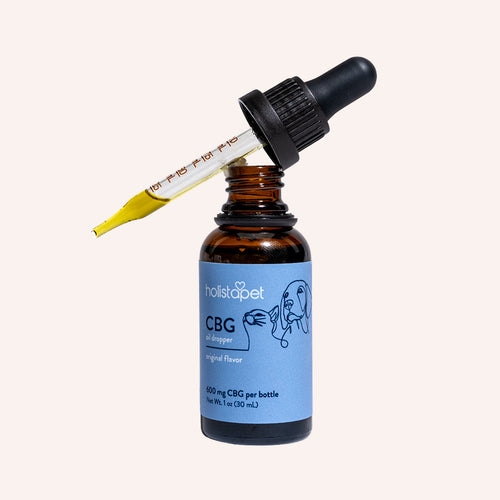 CBG Oil for Dogs and Cats - Loved by Thousands









Leave a comment
All comments are moderated before being published.
This site is protected by hCaptcha and the hCaptcha Privacy Policy and Terms of Service apply.