


A cat’s tooth can fall out for several reasons, and the cause determines the next step. Kittens often lose baby teeth during normal growth, but adult cats usually lose teeth due to injury or dental disease.
Pet owners should check the mouth, watch for pain or bleeding, and contact a veterinarian if the tooth came from an adult cat.
Is Tooth Loss Normal in Cats?
Tooth loss is normal in kittens because they shed baby teeth as adult teeth grow in. Tooth loss is not normal in adult cats and usually signals dental disease, injury, or serious gum problems that require veterinary care.
Why Did My Cat’s Tooth Fall Out?

Tooth loss in cats usually points to a specific cause. Age, dental health, and physical trauma often explain why a tooth fell out. Identifying the reason helps determine the right response.
1. Kitten Teething
Kittens lose baby teeth as adult teeth develop.
-
Kittens begin losing baby teeth around three to four months of age.
-
Most adult teeth appear by six to seven months.
- Mild gum irritation and chewing behavior often appear during this stage.
The American Veterinary Dental College states that normal kitten development includes the natural shedding of deciduous teeth as permanent teeth erupt.
2. Dental Disease
Dental disease remains one of the most common health issues in cats. Research from the Cornell University College of Veterinary Medicine notes that most cats show signs of periodontal disease by about three years of age if preventive dental care is not provided.
-
Plaque and tartar buildup irritate the gums.
-
Gum inflammation damages the tissue that supports teeth.
- Advanced periodontal disease weakens the tooth until it falls out.
Research from Cornell University College of Veterinary Medicine reports that most cats develop some form of periodontal disease by age three.
3. Injury or Trauma
Physical impact can dislodge a tooth.
-
Falls from high places
-
Rough play with other animals
- Accidents involving hard objects
Sudden tooth loss after trauma often includes bleeding, swelling, or visible mouth pain.
4. Poor Nutrition or Health Problems
Underlying health issues can weaken teeth and gums.
-
Nutritional deficiencies that affect oral tissue health
-
Chronic infections that damage gum structures
- Conditions that weaken bone and connective tissue
Veterinarians often check overall health because systemic illness can contribute to oral problems in cats.
What Do I Check If My Cat’s Tooth Fell Out?

A quick mouth check helps determine if the situation needs urgent care. Focus on visible signs of injury, infection, or pain.
-
Bleeding in the mouth: Look for fresh blood or continuous bleeding from the gum where the tooth came out.
-
Swelling or redness: Check the gums and surrounding tissue for inflammation that may signal infection.
-
Pain or sensitivity: Notice signs such as pawing at the mouth, drooling, or refusal to eat.
-
Broken tooth fragments: Inspect the area for remaining pieces that may stay lodged in the gum.
-
Bad breath: Strong odor can point to advanced dental disease or infection.
-
Difficulty eating: Watch for chewing on one side, dropping food, or avoiding hard food.
- Behavior changes: Reduced activity, hiding, or irritability can signal oral discomfort.
What are Some Common Dental Problems in Cats?
Several dental conditions can cause pain, infection, and tooth loss in cats.
|
Dental Problem |
What It Is |
Key Signs |
Why It Matters |
|
Periodontal Disease |
Infection and inflammation that damage gums and tooth support structures |
Red gums, bad breath, loose teeth |
Leading cause of tooth loss in adult cats |
|
Condition where the body breaks down the tooth structure |
Drooling, mouth pain, sudden tooth loss |
Very common in cats and often requires tooth extraction |
|
|
Gingivitis |
Early stage gum inflammation caused by plaque buildup |
Red or swollen gums, mild bleeding |
Can progress to severe periodontal disease if untreated |
|
Tooth Fracture |
Physical break in the tooth due to trauma or chewing hard objects |
Visible crack, bleeding, sensitivity |
Exposes nerves and increases infection risk |
|
Oral Infection or Abscess |
Bacterial infection around the tooth or gum |
Facial swelling, pus, severe bad breath |
Can spread infection and cause significant pain |
Related Post: How To Brush Cats' Teeth: Easy Steps for a Healthy Smile
When Do I Go to the Vet for My Cat’s Tooth Loss?

A vet visit becomes necessary when tooth loss involves an adult cat or when symptoms suggest pain, infection, or injury. Prompt evaluation prevents complications and protects the remaining teeth.
Seek veterinary care immediately if the following signs appear:
-
Persistent bleeding: Bleeding that continues for several minutes or returns later.
-
Severe pain: Crying, pawing at the mouth, or refusal to eat.
-
Swelling in the face or gums: Visible inflammation that may signal infection or abscess.
-
Broken tooth pieces: Fragments that remain in the gum can cause infection.
- Sudden tooth loss after trauma: Falls, fights, or accidents require prompt evaluation.
Adult cats rarely lose teeth under healthy conditions. Veterinary dental exams often include oral inspection and dental X rays to identify hidden damage or disease below the gum line.
Schedule a vet appointment soon if these milder signs appear:
-
Bad breath that worsens
-
Red or bleeding gums
-
Loose teeth
- Difficulty chewing or dropping food
Does Home Care Work for Feline Tooth Problems?
Home care can support oral health in cats, but it cannot fix serious dental disease or replace veterinary treatment. Simple routines help reduce plaque, ease discomfort, and support recovery after minor issues.
Routine Tooth Brushing
Regular brushing removes plaque before it hardens into tartar. Pet safe toothpaste and soft brushes designed for cats work best. Consistent brushing lowers the risk of gum inflammation and periodontal disease.
Dental Treats and Chews
Certain dental treats help scrape plaque from the tooth surface during chewing. Veterinary Oral Health Council approved products often provide the most reliable benefit for plaque control.
Oral Health Diets
Special dental diets use kibble texture and formulation to reduce plaque buildup. Many veterinarians recommend these diets for cats that show early signs of dental disease.
Pain and Stress Support
Oral discomfort can make cats irritable and reduce appetite. Some pet owners use CBD products to help support relaxation and comfort during recovery or dental irritation. Early research suggests cannabinoids may support inflammatory response and pain signaling in animals.
Brands such as Holistapet offer CBD oils, treats, and soft chews formulated for pets. These products aim to support calm behavior, joint comfort, and general wellness. CBD does not treat dental disease directly, but it may help support comfort while a cat receives proper care.
Regular Mouth Checks
Frequent visual checks help catch problems early. Pet owners should look for red gums, swelling, broken teeth, or strong odor. Early detection allows faster treatment and reduces the risk of severe dental damage.
Double Check Your Cat’s Teeth Today
A lost tooth in a cat needs attention. A quick mouth check and timely veterinary care help prevent pain, infection, and further oral problems.
Frequently Asked Questions
Can a cat live normally after losing a tooth?
Yes. Many cats continue to eat and live comfortably after tooth loss, especially after treatment for the underlying problem. Veterinarians often remove damaged teeth to relieve pain and improve oral health.
Should a lost cat tooth be saved?
Saving the tooth can help the veterinarian evaluate the cause of the loss. Place it in a clean container and bring it to the clinic during the examination.
Do indoor cats still develop dental problems?
Yes. Indoor cats still develop plaque, tartar buildup, and gum disease. Diet, genetics, and oral hygiene affect dental health more than living environment.
How often should a cat receive a dental checkup?
Veterinarians usually recommend a dental exam at least once a year. Cats with existing dental problems may need more frequent evaluations.
Can soft food help a cat with dental discomfort?
Soft food can make eating easier when the mouth feels sensitive. It does not remove plaque or treat dental disease, so veterinary care and dental hygiene still remain important.
 CBD Oil for Cats - Fast Acting
 Salmon Flavored CBD Oil For Cats - Easy Dose
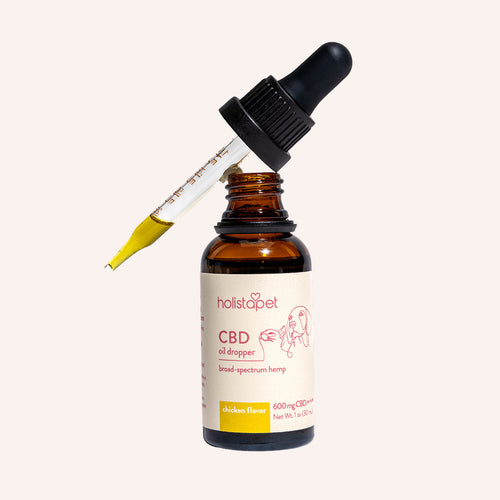 Chicken Flavored CBD Oil for Cats - Highly Rated
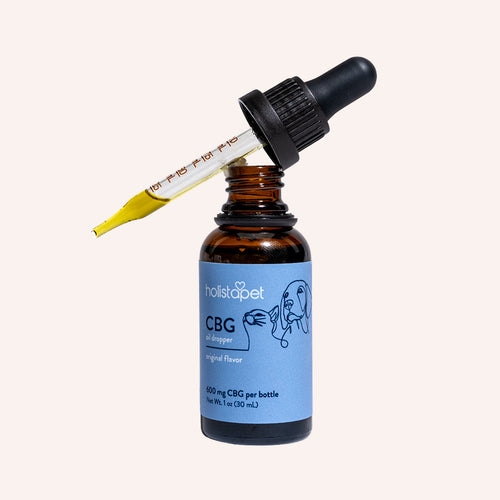 CBG Oil for Dogs and Cats - Loved by Thousands









Leave a comment
All comments are moderated before being published.
This site is protected by hCaptcha and the hCaptcha Privacy Policy and Terms of Service apply.