


A dog that yelps from a light touch often feels pain, fear, or extreme sensitivity. This reaction can signal injury, joint problems, nerve pain, or stress. Quick attention to the cause helps protect the dog’s health and comfort.
Why Does My Dog Yelp When I Touch Him?

A dog that yelps when touched usually reacts to pain, fear, or sudden sensitivity. Dogs rely on instinct to protect themselves, so even gentle contact can trigger a sharp vocal response when something feels wrong.
Pain or Physical Discomfort
Pain often causes sudden yelping during touch. Dogs instinctively react to protect injured areas.
Common causes include:
-
Muscle strain from play or exercise
-
Joint pain linked to aging or arthritis
-
Minor injuries such as bruises or sprains
-
Hidden wounds or sore spots
A dog may also stiffen, pull away, or guard the painful area.
Startle Reflex
Dogs react quickly to unexpected contact. A sudden touch can trigger a reflexive yelp, especially during rest or sleep.
Signs often include:
-
Jumping or flinching when touched
-
Turning quickly toward the hand
-
Increased alertness after the reaction
This instinct helps dogs respond fast to possible threats.
Sensitivity to Certain Areas
Some body parts feel more sensitive than others. Dogs instinctively protect these areas.
Common sensitive spots include:
-
Paws
-
Tail
-
Ears
- Belly
A dog may yelp, pull away, or tense up when someone touches these areas.
Fear or Anxiety
Fear can cause a dog to react strongly to touch. Past experiences, stress, or lack of social comfort can heighten sensitivity.
Behavior may include:
-
Cowering or backing away
-
Tucked tail or flattened ears
-
Quick vocal reactions during contact
The yelp acts as a warning that the dog feels unsafe.
Protective Instinct
Dogs protect themselves through quick vocal signals. A yelp can serve as an instinctive warning to stop contact.
This response often appears when:
-
The dog feels cornered or uncomfortable
-
Someone touches an unfamiliar area
-
The dog senses potential danger
The sound helps create distance and prevent further discomfort.
What are the Causes of Physical Sensitivity on Dogs?
Physical sensitivity in dogs usually develops from pain, nerve irritation, skin problems, or underlying health conditions. These issues make certain areas react strongly to even light touch.
Muscle Strain or Soft Tissue Injury
Overexertion during running, jumping, or rough play can strain muscles or ligaments. Inflamed tissue becomes tender, which can cause a dog to yelp during handling. Dogs may also show stiffness, reduced movement, or hesitation during activity.
Joint Inflammation and Arthritis
Joint inflammation increases sensitivity around the hips, knees, elbows, or spine. Osteoarthritis, a common cause of joint pain in dogs, often affects older dogs, though injuries or genetic conditions can trigger it earlier (American College of Veterinary Surgeons, canine osteoarthritis and joint pain causes). Pressure around affected joints can lead to discomfort and sudden vocal reactions, signaling the need for careful handling.
Nerve Pain or Spinal Problems
Nerve irritation can create sharp pain even from minor contact. Conditions such as a pinched nerve or intervertebral disc disease are known to increase sensitivity along the back or neck, causing dogs to yelp, twitch, or react strongly when touched (Cornell University College of Veterinary Medicine, recognizing signs of pain in dogs).
Skin Irritation or Infection
Skin conditions can make touch uncomfortable. Bacterial infections, fungal infections, parasites, or allergic reactions can inflame the skin and create soreness. Dogs with irritated skin may scratch frequently, lick certain areas, or react when touched.
Hidden Wounds or Injuries
Small cuts, punctures, or bruises can hide beneath fur. Even a minor wound can become sensitive once pressure touches the area. Dogs often guard injured spots and may yelp to signal discomfort.
Dental Pain
Pain in the mouth can trigger a reaction when someone touches the face or head. Tooth decay, gum disease, or a cracked tooth can create intense sensitivity. Dogs with dental problems may also drool, chew on one side, or avoid hard food.
Internal Health Conditions
Some internal issues can cause general body tenderness. Abdominal pain, inflammation, or organ related problems may make a dog sensitive during normal contact. Changes in appetite, energy level, or posture often appear alongside this sensitivity.
What are a Dog’s Most Sensitive Areas?

Some parts of a dog’s body react more strongly to touch because they contain many nerve endings or play an important role in protection and balance.
|
Sensitive Area |
Why It Is Sensitive |
Common Reaction |
|
Paws |
Dense nerve endings support balance and movement |
Pulling the paw away or yelping |
|
Ears |
Thin skin and many nerves |
Head shaking or sudden reaction |
|
Tail |
Connected to spinal nerves |
Yelping or guarding the tail |
|
Belly |
Soft area with little protection |
Rolling away or tensing up |
|
Neck |
Controls head movement and posture |
Flinching or turning quickly |
|
Back and Spine |
Houses the spinal cord and nerves |
Stiffness or vocal reaction |
|
Face and Muzzle |
Contains whiskers and facial nerves |
Pulling back or snapping reflex |
How Do I Comfort My Dog Through Physical Touch?

Gentle and calm touch can help a dog feel safe and relaxed. The key lies in slow movements, reading body signals, and focusing on areas that naturally comfort dogs.
1. Start With Calm and Gentle Petting
Soft, slow contact helps reduce tension and builds trust.
Helpful tips include:
-
Use slow strokes instead of quick pats
-
Touch areas dogs usually enjoy such as the chest or shoulders
-
Stop if the dog stiffens or pulls away
2. Focus on Comfort Zones
Certain areas tend to relax most dogs when touched carefully.
Common comfort spots include:
-
Chest and upper back
-
Base of the neck
-
Behind the ears
-
Base of the tail
Avoid sensitive areas like injured spots, paws, or the belly if the dog shows discomfort.
3. Use Gentle Massage
Light massage can ease muscle tension and improve relaxation.
Simple ways to do this:
-
Use slow circular motions with fingertips
-
Work around the shoulders and back muscles
-
Keep pressure light and steady
Watch for signs of comfort such as relaxed posture or slow blinking.
4. Create a Calm Environment
A relaxed setting helps dogs respond better to touch.
Support calm behavior by:
-
Speaking in a soft voice
-
Petting during quiet moments
-
Avoiding sudden movements
A peaceful environment allows the dog to settle and accept comfort.
5. Try Natural Calming Support
Some dogs benefit from natural calming aids that support relaxation and physical comfort.
Popular options include:
-
CBD treats or oils designed for dogs
-
Calming chews with natural ingredients
-
Supplements that support joint and nerve comfort
Many pet owners choose pet focused CBD products from brands like Holistapet, which offer formulas made specifically for canine wellness.
When Should I Take My Dog to the Vet If It Yelps from Light Touching?
A dog that yelps from a light touch often feels pain, fear, or extreme sensitivity. This reaction can signal injury, joint problems, nerve pain, or stress, all of which are recognized as behavioral indicators of pain in dogs (Cornell University College of Veterinary Medicine, recognizing signs of pain in dogs). Quick attention to these signs helps protect the dog’s health and comfort.
-
Persistent yelping: The dog vocalizes repeatedly when someone touches the same area.
-
Visible swelling or injury: Lumps, wounds, bruising, or swelling appear on the body.
-
Limping or trouble moving: The dog struggles to walk, stand, or climb.
-
Sudden behavior changes: The dog shows unusual aggression, hiding, or withdrawal.
-
Loss of appetite: The dog refuses food or eats far less than usual.
-
Signs of severe pain: The dog trembles, pants heavily, or guards a specific body part.
- Vomiting or lethargy: Low energy or digestive issues appear alongside touch sensitivity.
Final Thoughts
A dog that yelps from light touch usually signals pain, sensitivity, or emotional stress. Quick observation and gentle care help identify the cause and prevent further discomfort. Careful handling, attention to body signals, and proper support can help restore the dog’s comfort and sense of safety.
Frequently Asked Questions
Can sudden touch sensitivity happen without a visible injury?
Yes. Nerve irritation, early arthritis, skin problems, or internal discomfort can trigger pain without clear wounds. Dogs often hide symptoms, so yelping may signal the first warning.
Does age increase touch sensitivity in dogs?
Yes. Aging often brings joint stiffness, arthritis, and nerve sensitivity. These conditions can make normal contact uncomfortable, especially around the hips, legs, and back.
Can poor grooming cause touch sensitivity in dogs?
Yes. Matting, long nails, irritated skin, or dirty ears can create discomfort during handling. Regular grooming helps prevent pain and improves overall comfort.
When should I treat yelping from touch as an emergency?
Seek urgent veterinary care if yelping occurs with severe pain, trouble standing, vomiting, breathing problems, or sudden collapse. These signs can signal a serious injury or internal condition.
 CBD Oil for Dogs - Fast Acting
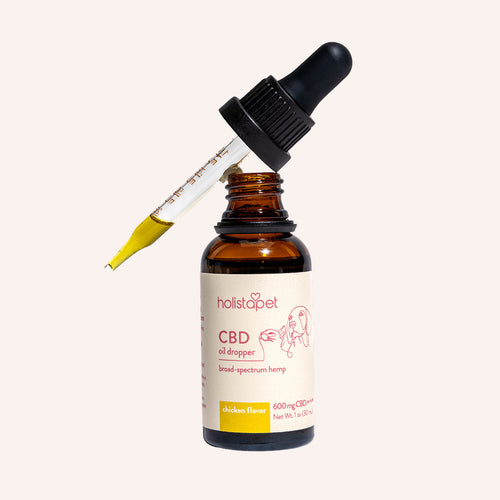 Chicken Flavored CBD Oil For Dogs - Easy Dose
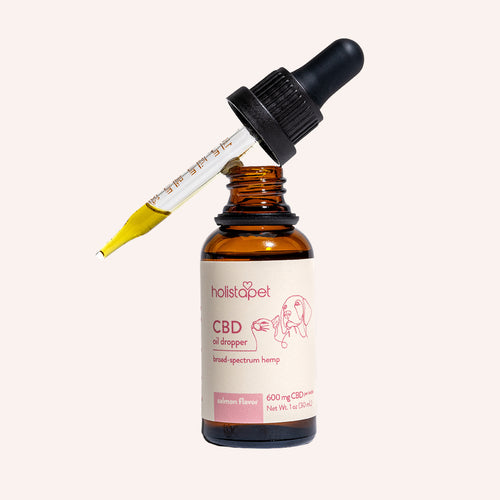 Salmon Flavored CBD Oil For Dogs - Highly Rated
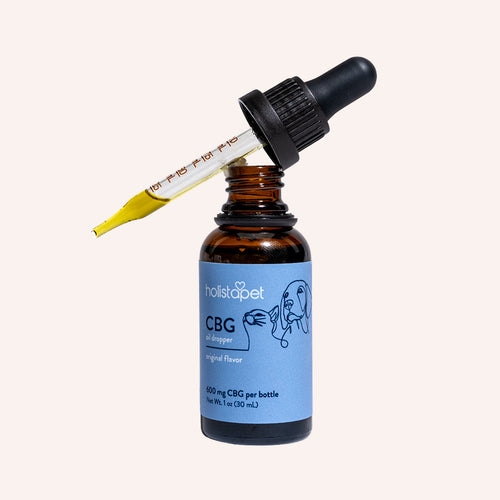 CBG Oil for Dogs and Cats - Loved by Thousands











Leave a comment
All comments are moderated before being published.
This site is protected by hCaptcha and the hCaptcha Privacy Policy and Terms of Service apply.