


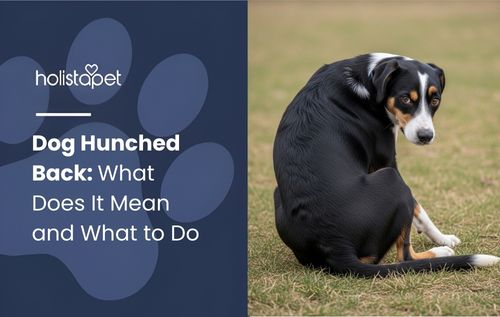
A dog that walks with a hunched back often deals with pain or serious discomfort. Many owners notice this posture and worry about what it means. This body position can signal problems such as stomach pain, injury, or illness while exploring more helpful dog care support.
Quick attention helps prevent the issue from getting worse and helps a dog return to normal posture and movement.
Why is My Dog’s Back Hunched?

A hunched back usually signals pain, discomfort, or illness. Dogs curve their spine to protect a sensitive area in the body. The cause can involve the stomach, muscles, spine, or internal organs.
1. Abdominal Pain
Stomach pain often causes a dog to curl its back and tighten the belly. Dogs try to reduce pressure on the abdomen.
Common causes include gas or bloating, indigestion, intestinal blockage, and pancreatitis — a serious inflammatory condition of the pancreas documented by the Merck Veterinary Manual.
Watch for vomiting, loss of appetite, or restlessness.
2. Back or Spinal Injury
A dog may arch its back after a strain or spinal problem such as intervertebral disc disease (IVDD), a condition the American College of Veterinary Surgeons identifies as one of the most common neurological disorders in dogs. Spinal issues require prompt veterinary care.
Signs often include:
-
Stiff walking
-
Difficulty jumping or climbing
-
Whining when picked up
- Shaking or trembling
3. Muscle Strain
Dogs can pull muscles during rough play, running, or sudden movement. A strained muscle causes stiffness and a protective posture.
You may notice:
- Slower movement
-
Reluctance to stretch
-
Mild limping
- Sensitivity along the back
Mild strains may improve with rest.
4. Digestive Problems
Digestive trouble can cause discomfort that leads to a curved back. Dogs often show other signs at the same time.
Look for symptoms such as:
-
Diarrhea
-
Vomiting
-
Lack of appetite
- Lethargy
Persistent digestive problems require veterinary evaluation.
5. Kidney or Internal Organ Issues
Pain from internal organs, including chronic kidney disease, can cause a hunched stance. According to the Cornell University College of Veterinary Medicine, kidney disease in dogs may present with increased thirst, weight loss, and low energy. Veterinary testing helps confirm the cause.
Possible warning signs include:
-
Increased thirst
-
Frequent urination
-
Weight loss
- Low energy
Veterinary testing helps confirm the cause.
6. Fear or Stress
Some dogs arch their back when they feel anxious or threatened, especially in cases like canine scared of thunder or stress responses such as canine pees when excited. This posture may appear during stressful situations.
Behavior signs may include:
-
Tucked tail
-
Lowered head
-
Avoidance or hiding
- Nervous body language
Stress related posture usually fades once the dog feels safe.
How Does a Hunched Back Affect My Dog’s Daily Living?
A hunched back often limits a dog’s comfort and movement. Pain or internal discomfort can interfere with normal routines such as walking, eating, and playing.
-
Reduced mobility: Pain in the back or abdomen makes walking, running, and climbing stairs difficult.
-
Less interest in play: Discomfort lowers energy and reduces enthusiasm for games and exercise.
-
Difficulty resting: A dog may struggle to lie down comfortably or change sleeping positions.
-
Lower appetite: Stomach pain or illness can reduce interest in food.
-
Behavior changes: Irritability, withdrawal, or sensitivity to touch may appear due to ongoing discomfort.
- Limited physical activity: Movement may decrease throughout the day as the dog tries to avoid pain.
What are Other Signs to Look Out For with a Dog’s Hunched Back?

|
Warning Sign |
What It May Indicate |
What to Watch For |
|
Panting without activity |
Pain or internal discomfort |
Continuous panting even while resting |
|
Swollen or tight abdomen |
Bloating or digestive distress |
Firm belly, sensitivity when touched |
|
Frequent stretching posture |
Abdominal irritation |
Repeated front stretch with rear raised |
|
Trouble urinating |
Urinary tract or kidney problems |
Straining, little urine output |
|
Excessive drooling |
Nausea or strong discomfort |
Persistent saliva or wet muzzle |
|
Sudden weight loss |
Underlying illness |
Rapid drop in body weight or reduced body condition |
|
Unusual posture while standing |
Ongoing physical discomfort |
Stiff stance or lowered head |
When Do I Talk to the Vet for a Dog’s Hunched Back?
A hunched back often signals pain or illness. Contact a veterinarian when the posture lasts longer than a short period or appears with other concerning changes.
The posture lasts more than a day
A brief change in posture may occur after minor discomfort. A hunched back that continues through the day often signals a deeper issue that requires medical evaluation.
Severe pain or distress appears
Immediate veterinary care becomes necessary when a dog cries out, refuses to move, or reacts strongly to gentle touch. These reactions often point to serious injury or internal pain.
Vomiting or digestive problems start
Frequent vomiting, repeated diarrhea, or strong nausea alongside a hunched posture can indicate stomach inflammation, blockage, or pancreatitis.
The abdomen looks swollen or firm
A tight or enlarged belly paired with a curved back may signal bloating or severe digestive distress. This situation requires urgent veterinary attention.
Sudden behavior changes occur
Withdrawal, restlessness, or unusual irritability can signal ongoing discomfort. A veterinarian should examine the dog when these changes appear with abnormal posture.
Movement becomes difficult
Trouble walking, standing, or rising from rest can point to spinal or muscular problems. Professional evaluation helps prevent the condition from worsening.
How Do I Support My Dog with Hunched Back?
Support starts with reducing discomfort and identifying the cause. Quick action and proper care can help a dog recover faster and prevent further strain.
Limit Physical Activity
Restrict movement to prevent more strain on the back or abdomen. Calm rest allows the body to recover.
Focus on simple steps such as:
-
Keep walks short and slow
-
Avoid jumping on furniture
-
Stop rough play with other pets
- Provide a quiet resting area
Create a Comfortable Resting Space
A supportive sleeping area helps reduce pressure on the spine and muscles. Soft bedding encourages proper rest and relaxation.
Helpful adjustments include:
-
Use thick orthopedic bedding
-
Place the bed in a quiet area
-
Keep the space warm and draft free
- Make sure the dog can lie down easily
Monitor Eating and Hydration
Proper nutrition supports healing and energy. Small changes in feeding habits can help prevent digestive stress.
Watch for these habits:
-
Offer small portions of easily digestible food
-
Provide fresh water at all times
-
Observe appetite changes
- Track any signs of stomach discomfort

Consider Natural Comfort Support
Some owners add natural wellness products to support relaxation and overall comfort. Hemp derived CBD products, including a full-spectrum alternative for dogs and options from the dog CBD treat collection, may help promote calm behavior and daily balance.
Options from brands such as HolistaPet include:
-
CBD calming chews for daily wellness
-
CBD oils that allow flexible serving sizes
- Soft treats designed for easy digestion
Always check with a veterinarian before adding supplements to a dog's routine.
Additional support may include dog essential vitamins supplement and probiotic chews for dogs to maintain overall health.
Final Thoughts
A hunched back in dogs often signals pain, illness, or physical strain. Early attention helps prevent serious complications and supports faster recovery. Careful observation, proper rest, and timely veterinary care can help restore comfort and normal movement.
Frequently Asked Questions
Can a hunched back in dogs resolve on its own?
A mild posture change from temporary discomfort may improve after rest. Persistent hunching or worsening symptoms require veterinary evaluation.
Do certain dog breeds develop hunched backs more often?
Breeds with long backs such as Dachshunds and Corgis face a higher risk of spinal strain. Active breeds may also experience muscle injuries that affect posture.
Can age cause a dog to walk with a hunched back?
Senior dogs often develop joint stiffness, arthritis, or spinal changes. These conditions can cause curved posture and slower movement.
Can cold weather cause a dog to hunch its back?
Cold temperatures can tighten muscles and joints. Some dogs arch their backs to cope with stiffness or discomfort during colder conditions.
Should exercise continue if a dog has a hunched back?
Limit activity until the cause becomes clear. Gentle movement may help in mild cases, but intense exercise can worsen injury or pain.







Leave a comment
All comments are moderated before being published.
This site is protected by hCaptcha and the hCaptcha Privacy Policy and Terms of Service apply.