


A dog that keeps licking stitches can slow healing and cause infection. You can stop this behavior without a cone by using simple, comfortable alternatives that protect the wound and keep the dog calm.
How Do I Keep My Dog from Licking Stitches Without a Cone?

A dog can stop licking stitches without a cone by using protective clothing, safe coverings, and calming support that reduces the urge to lick.
1. Use a Recovery Suit or Shirt
A soft fabric barrier blocks direct access to the wound while keeping a dog comfortable.
-
Choose a snug but breathable recovery suit
-
Use a clean t shirt for short term use
-
Check the fit daily to prevent rubbing
- Remove briefly for wound inspection
Veterinary teams often recommend post surgery garments since they protect the site without restricting movement.
2. Cover the Area with a Bandage
A proper wrap shields stitches and reduces irritation.
-
Use vet approved bandages only
-
Keep it dry and clean at all times
-
Change it as directed by a vet
- Avoid wrapping too tight to prevent swelling
The AKC confirms that covering the wound directly reduces infection risk and removes the dog's access to lick the site. [AKC]
3. Apply Pet Safe Bitter Sprays
Dogs avoid unpleasant tastes, which helps break the licking habit.
-
Use sprays made specifically for pets
-
Apply around the area, not directly on stitches unless approved
-
Reapply as needed throughout the day
- Monitor for skin sensitivity
This method works through taste aversion, a behavioral technique widely used in veterinary care.
4. Keep Your Dog Mentally Engaged
Boredom often triggers licking, especially during recovery.
-
Offer puzzle toys or treat games
-
Rotate toys to maintain interest
-
Spend time on gentle interaction
- Maintain a calm routine indoors
Animal behaviorists show that puzzle toys and interactive games redirect a dog's focus, cutting licking episodes during recovery.
5. Support Calm Behavior with CBD
Stress and discomfort can drive licking. Supporting relaxation can reduce that urge. Every mammal runs an endocannabinoid system (ECS) that actively regulates stress responses, pain signals, and mood balance. CBD binds to the ECS's CB1 and CB2 receptors, prompting the system to restore calm without sedation. [Holistapet ECS explainer]
Holistapet's CBD Calming Soft Chews contain broad-spectrum hemp extract (0% THC) combined with L-tryptophan, chamomile, and phosphatidylcholine — ingredients that work together through the endocannabinoid system to reduce hyperactivity and ease stress without sedating your dog. [Holistapet Calming Chews]
6. Use Soft Alternatives to Cones
Some dogs tolerate flexible options better than rigid cones.
-
Try inflatable collars that limit neck movement
-
Use soft e collars made from padded material
-
Ensure the dog can eat and rest comfortably
- Supervise during initial use
These options reduce stress while still limiting access to stitches.
7. Maintain Proper Wound Care
Clean healing reduces irritation and lowers the urge to lick.
-
Follow the vet’s cleaning instructions closely
-
Keep the area dry and free from debris
-
Watch for redness, swelling, or discharge
- Contact a vet if healing slows or worsens
The American Veterinary Medical Association stresses that owners who follow aftercare instructions prevent self-trauma and avoid the complications that send dogs back to the clinic." [AVMA Pet Care]
Why Is It Important to Prevent Dog Licking After Surgery?

Stopping a dog from licking after surgery protects the wound, prevents infection, and supports faster healing.
-
Prevents infection: A dog’s mouth carries bacteria that can enter the wound and cause complications.
-
Protects stitches: Licking can loosen or tear sutures, which may reopen the incision.
-
Reduces irritation: Constant contact can inflame the skin and delay recovery.
-
Avoids further injury: Chewing or biting the area can lead to deeper wounds.
-
Supports proper healing: A dry and undisturbed site allows tissue to repair more efficiently.
- Prevents repeat vet visits: Damage from licking can require additional treatment or surgery.
What are the Risks of Letting Your Dog Lick Its Stitches?
Letting a dog lick its stitches can lead to infection, delayed healing, and serious complications.
-
Infection risk: Bacteria from saliva can contaminate the wound and trigger infection.
-
Stitches reopening: Persistent licking or chewing can pull sutures apart.
-
Delayed healing: Moisture and irritation slow down tissue repair.
-
Inflammation and swelling: Repeated contact can worsen redness and discomfort.
-
Hot spot formation: Excess licking can create painful, inflamed skin lesions.
- Need for additional treatment: Severe damage may require antibiotics or another procedure.
What are Safe Alternatives to Canine Cones?
You can replace a cone with options that focus on comfort, mobility, and behavior control while still protecting the wound.
|
Option |
Best Use Case |
Key Advantage |
Consideration |
|
Neck brace collar |
Neck movement control |
Limits flexibility without blocking view |
Needs correct sizing |
|
Recovery pajamas |
Full coverage protection |
Comfortable and secure fit |
Requires regular cleaning |
|
Medical boots |
Paw or leg injuries |
Shields from licking and dirt |
May need adjustment |
|
Environment control |
Indoor recovery |
Reduces triggers and access |
Requires supervision |
|
Physical barriers |
Rest periods |
No wearable needed |
Works short term only |
Neck Brace Collars
These structured collars limit head movement instead of blocking vision.
-
Restrict bending and turning toward the wound
-
Provide more stability than soft collars
- Work well for dogs that dislike bulky cones
Post Surgery Pajamas
Full coverage clothing offers a secure barrier with added comfort.
-
Designed specifically for recovery periods
-
Prevent direct contact with stitches
- Help keep the area clean from dirt and debris
These garments also help regulate body temperature, which supports stable healing conditions.
Medical Pet Boots
Boots protect stitches located on paws or lower limbs.
-
Prevent licking and chewing on foot injuries
-
Add a physical barrier during walks or rest
- Reduce exposure to bacteria on surfaces
The American Animal Hospital Association highlights limb protection as essential for preventing contamination in lower extremity wounds.
Environmental Management
Changing the dog’s surroundings can reduce access and triggers.
-
Limit unsupervised movement with crates or playpens
-
Remove surfaces that cause irritation or scratching
- Keep bedding clean and soft
Gentle Physical Barriers
Strategic positioning can block access without wearable gear.
-
Use cushions or pillows during rest time
-
Adjust sleeping positions to protect the wound
- Supervise closely during high risk moments
When Should I Consider Using a Cone for My Dog?

Use a cone when other alternatives fail to stop licking or when the risk of injury or infection increases. Some wounds need strict protection, and a cone provides the most reliable barrier.
-
Deep or large surgical sites: These wounds need full protection since damage can reopen tissue.
-
Persistent licking or chewing: If a dog ignores other methods, a cone prevents direct access.
-
High risk areas: Locations like the abdomen, paws, or tail are easier to reach and harder to protect.
-
Signs of infection: Redness, swelling, discharge, or odor require stricter prevention.
- Post suture complications: Loose or broken stitches need immediate protection to avoid further damage.
A cone also becomes necessary when a dog stays unsupervised for long periods, especially since the endocannabinoid system (ECS) can influence behavior and discomfort levels. Physical barriers like clothing or sprays may fail without monitoring.
Veterinarians often recommend cones as a backup solution because they provide consistent protection when comfort based options do not work.
Prevent Your Dog from Licking Their Stitches
You can prevent licking without a cone by combining physical barriers, proper care, and calming support. Choose what fits your dog’s needs, stay consistent, and step in early if problems appear to keep healing on track.
Frequently Asked Questions
Can I leave my dog alone without a cone after surgery?
Short periods may be fine if protection stays secure, but avoid leaving a dog unsupervised for long since licking can happen quickly.
How long does it take for stitches to fully heal in dogs?
Most dogs complete suture healing in 10 to 14 days. The dog's age, overall health, and surgery type all affect how quickly the site closes.
Do stitches itch as they heal?
As the incision heals, nerve regeneration creates itching, a sensation that pushes dogs to lick. Prevention stays essential throughout the full recovery window.
Can diet affect how fast my dog heals?
Yes, proper nutrition supports tissue repair. Protein, vitamins, and hydration all play a role in recovery.
Are some dogs more likely to lick stitches than others?
Yes, anxious or high energy dogs tend to lick more due to stress or boredom during recovery.
Should I stop my dog from licking even if the wound looks healed?
Yes, continue prevention until a vet confirms full healing since the skin may still be fragile.
 CBD Oil for Dogs - Fast Acting
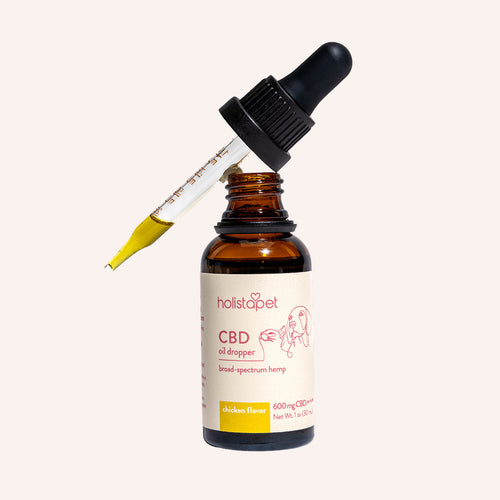 Chicken Flavored CBD Oil For Dogs - Easy Dose
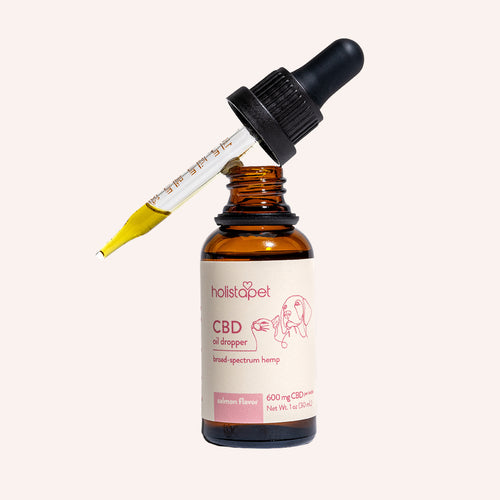 Salmon Flavored CBD Oil For Dogs - Highly Rated
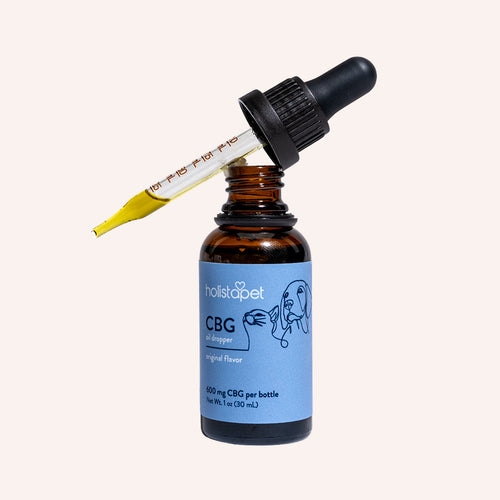 CBG Oil for Dogs and Cats - Loved by Thousands










Leave a comment
All comments are moderated before being published.
This site is protected by hCaptcha and the hCaptcha Privacy Policy and Terms of Service apply.