

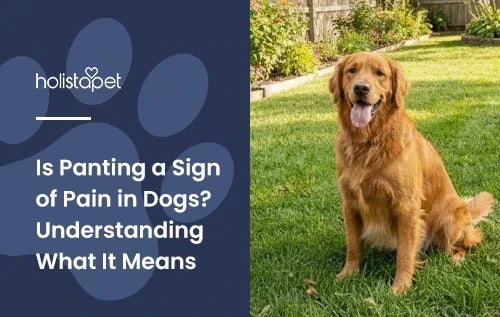
Your pup can’t tell you when something hurts, so it’s up to you to notice the clues. Is panting a sign of pain in dogs? Sometimes, yes—it can be. Panting isn’t always from warm weather or post-play exhaustion; it can also reveal discomfort or stress bubbling beneath the surface.
Understanding your dog’s breathing patterns helps you catch problems early. With a little attention and care, you can keep your furry friend happy and calm.
For more health guidance and dog wellness tips, explore our complete collection of dog care resources.
Why Dogs Pant in the First Place

Your dog pants to stay cool and communicate. Since dogs can’t sweat like humans, panting helps them release heat and regulate body temperature. It’s common after exercise, excitement, or during warm weather.
But heavy or excessive panting—or breathing that seems unusual—might signal something more serious. Pain, fear, or injury can also cause your dog to pant excessively, so always watch for other signs that don’t seem perfectly normal.
Normal Panting vs. Concerning Panting
Normal panting looks relaxed and steady, often after play or warm weather. Short-nosed breeds may pant more heavily, even during mild activity, so it’s important to understand what’s normal for your dog. This helps your dog regulate body temperature and bring in more oxygen. Concerning panting feels different—it’s faster, louder, or paired with unusual behaviors like whining, trembling, or restlessness.
Watch for panting that happens at rest or without an obvious reason. Heatstroke, heart problems, swelling, or other underlying health issues can also cause heavy panting. If your dog’s breathing changes suddenly or you notice severe signs, contact your veterinarian immediately for proper evaluation.
When Panting Might Signal Pain or Discomfort
Pay attention when your dog’s panting changes for no clear reason. A shift in rhythm, speed, or effort can hint at discomfort. Dogs often pant when they feel upset, hurt, or unwell due to an underlying health condition. Watching these changes early helps you spot signs of pain before they become serious.
Changes in Breathing Patterns or Intensity
When a dog’s panting grows shallow, rapid, or strained, it can point to discomfort. Pain can make your dog breathe faster and feel less relaxed. You might notice fast chest movement or tighter stomach muscles.
If your pet pants heavily without heat or play, call your vet immediately to rule out serious issues. In veterinary medicine, breathing pattern changes are often an early clue to pain or illness.
Situations Where Dogs Pant Even Without Heat or Exercise
Panting in cool conditions or during rest can signal discomfort. Pain activates stress hormones that raise heart rate and breathing. Joint aches, internal injury, or recovery from surgery may cause panting even when your dog is still. If panting happens indoors or at night without reason, seek veterinary care at your local animal hospital to check for any health issues.
Common Causes of Pain-Related Panting
Panting doesn’t always mean your dog is in distress, but it can point to several causes. Sometimes it’s from mild soreness or emotional tension. Other times, it’s linked to deeper issues such as Cushing’s disease, which affects hormone levels and causes the body to produce too much cortisol. Understanding why your dog pants helps you stay calm, act fast, and know when to reach out for help.
Joint Stiffness or Mobility Issues
Panting may happen when your dog feels soreness from joint stiffness or mobility problems. Conditions like hip dysplasia or age-related aches can cause discomfort, even at rest. You might notice limping or hesitation to climb stairs. Pain and mild swelling raise body temperature, leading to heavier breathing. Talk to your vet if movement seems difficult.
Injury, Soreness, or Post-Surgery Recovery
After an injury or surgery, panting often signals discomfort or tension. Dogs may breathe faster as they manage soreness or healing tissue. Certain medications or anesthesia may also cause temporary panting. Swelling or tenderness can raise body temperature slightly. If panting continues or worsens during recovery, seek urgent veterinary care or check with your veterinarian to rule out complications.
Stress, Fear, or Emotional Distress
Panting can also come from stress or fear. Loud noises, vet visits, or separation may trigger fast, shallow breathing. Adrenaline and cortisol make your dog’s heart race and body tense. You might see trembling, pacing, or pinned ears. Once calm, panting often eases. Persistent stress-related panting may need a vet or behaviorist’s guidance. If your dog's anxiety is most noticeable when left alone, our guide on dog freaks out in a crate may help you identify additional stress-management strategies.
Other Signs That May Accompany Pain Panting in Dogs
When panting links to discomfort, you might notice other clues too. Restlessness, whining, pacing, or avoiding touch often appear together. These behaviors help show when your dog feels uneasy. Watching small changes in habits can give you early hints that something more serious may be causing distress.
Restlessness, Whining, or Pacing
Dogs in discomfort may struggle to relax. You might see them shift positions, pace, or whine softly. These behaviors often appear with panting when pain or unease sets in. Nighttime restlessness can be common. Watch for lowered tails, hunched posture, or trembling. If these signs persist, reach out for veterinary care.
Loss of Appetite or Avoiding Touch
Pain can make your dog lose interest in food or flinch from contact. Even favorite treats might go untouched. Discomfort from joint aches, dental issues, or stomach troubles can make eating or petting unpleasant. Watch for turning away, hiding, or avoiding contact. If appetite loss or touch avoidance continues, contact your vet for guidance.
How To Help a Dog That Pants From Stress or Fear

When your dog pants from stress or fear, there are gentle ways to help them calm down. Every dog reacts differently, but calm support and the right tools can make a big difference.
-
Provide a Calm, Comfortable Space and Environment
Create a quiet area where your dog feels safe. Soft lighting and familiar scents can help them unwind. -
Provide Physical and Mental Enrichment
Gentle play, puzzle toys, or a slow walk can distract from nervous energy and boost confidence. -
Natural Calming Support Options
Some dogs respond well to natural calming aids such as organic CBD dog treats, broad spectrum CBD oil for dogs, vet-recommended multivitamin for dogs, and natural probiotics for dogs to support overall wellness. Holistapet CBD Calming Treats may support relaxation during stressful moments like thunderstorms or vet visits. These treats include plant-based ingredients and CBD, which are known to encourage calm behavior without causing drowsiness. They’re an easy way to promote balance and ease your pet’s worried thoughts.
How To Help a Dog That Pants From Physical Stress or Discomfort
If your dog pants because of soreness or physical strain, there are safe and natural ways to help them feel better. Supporting their comfort early can make recovery smoother and less stressful.
-
Gentle Exercise and Massages
Slow walks and light stretching keep joints moving without strain. A gentle massage can relax tight muscles and reduce soreness after activity. -
Natural Support for Aches and Soreness
Natural remedies can provide soothing comfort. Broad spectrum CBD oil for dogs may help ease everyday discomfort and support calm recovery. It’s a plant-based option designed for general soreness or mild tension. For joint stiffness, Holistapet CBD Dog Treats + Mobility Care offer targeted support. These formulas combine CBD with natural ingredients that help maintain comfort and flexibility for active or aging dogs.
When To Call the Vet
Some panting needs quick attention. If your dog pants heavily at rest, breathes rapidly, or refuses food, call your vet. Pale gums, collapse, or vomiting are clear emergencies. Vets use exams, X-rays, and blood tests to find the underlying cause. Sharing notes about your dog’s symptoms helps the vet diagnose and treat problems early, ensuring the best outcome for your pet’s health. If you're unsure whether your dog needs immediate medical attention, scheduling an online vet visit may help you determine the appropriate next steps while monitoring your pet's symptoms.
FAQs About Excessive Panting and Pain in Dogs
Do Dogs Pant When They’re in Pain or Just Hot?
Dogs pant when they’re hot, excited, or in pain. Watch for other symptoms to see if discomfort, not heat, is involved.
How Can I Tell if My Dog’s Panting Is Normal?
Normal panting looks calm and steady. Heavy, fast, or constant panting—especially without heat or exercise—can mean something’s wrong.
Can CBD Help Calm a Dog Panting From Discomfort?
Yes, CBD may help calm mild tension or soreness. It supports relaxation and balance, especially during stressful or uncomfortable moments. For a trusted overview of how CBD works in dogs, the AKC: CBD Oil for Dogs — What You Need to Know guide is a great starting point for owners exploring this option.
Final Thoughts on Recognizing Pain Through Panting
Panting can tell you a lot about your dog’s comfort and mood. Not every pant means pain, but paying attention matters. Stay alert to changes in breathing, appetite, and energy.
When in doubt, talk to your vet. For everyday calm or minor soreness, natural products like Holistapet CBD Oils or Calming Treats can support relaxation and overall comfort safely. For science-backed confidence in these options, PubMed: Pharmacokinetics, Safety, and Clinical Efficacy of CBD in Dogs provides peer-reviewed research on canine CBD safety and effectiveness.







Leave a comment
All comments are moderated before being published.
This site is protected by hCaptcha and the hCaptcha Privacy Policy and Terms of Service apply.