

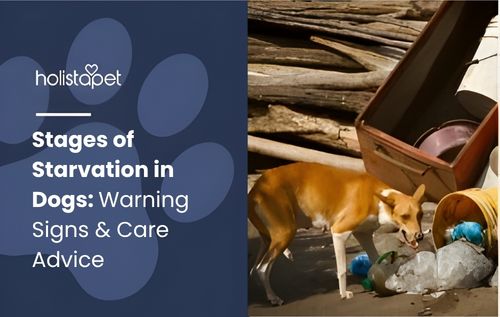
A starving dog does not just lose weight. The body begins to shut down in stages, and the signs can appear faster than many expect. Knowing what to look for can make the difference between recovery and serious harm.
Why Do Dogs Starve?

Dogs starve when they cannot take in or use enough nutrients to meet basic body needs. This can happen even when food is available.
- Neglect or abandonment: Lack of regular feeding leads to rapid weight loss and organ stress.
- Illness or disease: The American Veterinary Medical Association explains that cancer, kidney disease, and infections often reduce appetite and interfere with nutrient absorption in dogs
- Dental pain: Severe tooth or gum issues make eating difficult or painful.
- Parasites: Worms steal nutrients from the digestive system, which the World Small Animal Veterinary Association highlights as a common cause of malnutrition.
- Digestive disorders: Problems like inflammatory bowel disease prevent proper nutrient uptake.
- Stress or environmental change: Anxiety can suppress appetite and disrupt normal eating patterns.
- Improper diet: Low quality or unbalanced food fails to meet nutritional requirements.
What are the Stages of Starvation in Dogs?

Starvation in dogs progresses in clear stages, each one affecting the body more severely. Early signs may look mild, but later stages can become life threatening.
|
Stage |
Key Body Changes |
Visible Signs |
Risk Level |
|
Early Energy Depletion |
Glycogen use |
Hunger, mild weight loss |
Low |
|
Fat Loss and Muscle Breakdown |
Fat burning, muscle loss |
Visible bones, weakness |
Moderate |
|
Metabolic Slowdown |
Reduced metabolism |
Lethargy, low temperature |
High |
|
Organ Strain and Deficiency |
Electrolyte imbalance |
Dehydration, irregular heart rate |
Very High |
|
Critical Starvation and Organ Failure |
Multi organ failure |
Collapse, severe weakness |
Life Threatening |
1. Early Energy Depletion
The body starts using stored glycogen for energy, which leads to noticeable behavioral shifts.
- Increased appetite or food seeking.
- Mild weight loss begins.
- Restlessness becomes more noticeable.
2. Fat Loss and Muscle Breakdown
The body burns fat first, then breaks down muscle to sustain vital functions, as shown in veterinary nutrition research on prolonged calorie deficiency.
- Ribs and spine become visible.
- Strength declines due to muscle loss.
- Coat loses shine and becomes rough.
3. Metabolic Slowdown
The body reduces energy use to survive, which affects normal biological processes, as noted by the American Kennel Club.
- Energy levels drop significantly.
- Body temperature decreases.
- Immunity weakens.
4. Organ Strain and Deficiency
Essential organs struggle due to nutrient shortages and imbalances.
- Dehydration becomes evident.
- Digestive issues appear.
- Heart rhythm may become irregular.
5. Critical Starvation and Organ Failure
The body reaches a critical state where survival becomes unlikely without urgent care, supported by Veterinary nutrition research published by the Merck Veterinary Manual explains that prolonged starvation forces the body to break down fat reserves first and muscle tissue later to maintain essential organ function.
- Dog may collapse.
- Severe weakness limits movement.
- Signs of organ failure emerge.
Related Post: How Long Can a Dog Go Without Eating?
How Can I Help a Starving Dog?

Helping a starving dog requires slow, controlled feeding and immediate supportive care to prevent complications.
Start With Small, Frequent Meals
Refeeding too quickly can shock the body, so controlled feeding is critical. The American Society for the Prevention of Cruelty to Animals warns that sudden large meals can trigger refeeding syndrome.
- Offer small portions several times a day.
- Use easily digestible, high quality food.
- Monitor for vomiting or discomfort after eating.
Ensure Proper Hydration
Fluids support organ function and recovery, especially in weakened dogs.
- Provide clean water at all times.
- Use electrolyte solutions if advised by a vet.
- Watch for signs of dehydration like dry gums.
Seek Veterinary Care Immediately
Professional care helps address underlying damage and prevents complications.
- Request a full health assessment.
- Follow a structured refeeding plan.
- Treat infections or internal issues early.
Create a Low Stress Environment
A calm setting supports recovery and helps restore normal eating behavior.
- Keep the dog in a quiet and warm space.
- Limit physical activity during early recovery.
- Maintain a consistent feeding routine.
Support Recovery With Nutritional and Holistic Care
Balanced nutrition and gentle support can improve recovery outcomes. Research in veterinary science shows that proper nutrient intake helps rebuild muscle and immune strength over time.
- Add vet approved supplements if needed.
- Focus on protein rich and nutrient dense meals.
- Track gradual weight gain and energy levels.
Consider CBD for Appetite and Stress Support
Research summarized by the Cornell University College of Veterinary Medicine shows that cannabinoids interact with the canine endocannabinoid system, which helps regulate appetite, stress response, inflammation signaling, and nervous system balance. Holistapet develops pet-specific CBD formulas using broad-spectrum hemp extract, third-party laboratory testing, and THC-free cannabinoid profiles designed for canine safety and recovery support.
- Use CBD to help ease stress related appetite loss.
- Support overall wellness through ECS interaction.
- Choose high quality options like Holistapet CBD formulas designed for pets.
How Do I Prevent Canine Starvation?
Preventing canine starvation starts with consistent care, proper nutrition, and early intervention when changes appear.
- Feed a balanced diet: Provide complete and nutrient rich meals that meet your dog’s age, size, and health needs.
- Stick to a feeding routine: Maintain consistent meal times to support stable eating habits.
- Monitor weight regularly: Check for sudden weight loss or body condition changes.
- Schedule routine vet visits: Detect health issues early before they affect appetite or nutrient absorption.
- Control parasites: Use regular deworming and preventive treatments to protect nutrient intake.
- Watch eating behavior: Act quickly if your dog shows reduced interest in food or difficulty eating.
- Provide clean water daily: Support digestion and overall body function.
- Reduce stress triggers: Keep a stable environment to prevent appetite suppression.
Do I Visit the Vet If My Dog is Starving?

Yes, a vet visit is necessary if a dog shows signs of starvation. Professional care helps prevent complications and guides safe recovery.
Delaying treatment can worsen internal damage, especially during advanced stages when organs and metabolic functions are already affected.
- Rapid weight loss or visible bones.
- Weakness, lethargy, or collapse.
- Refusal to eat for more than a day.
- Vomiting, diarrhea, or dehydration signs.
A veterinarian can assess the dog’s condition and create a controlled refeeding plan.
- Perform blood tests to check organ function.
- Identify underlying illnesses or infections.
- Provide fluids and nutritional support.
- Prescribe medications if needed.
Early intervention improves recovery outcomes and reduces long term health risks.
A Nourished Dog is a Happy Dog
Starvation in dogs progresses quickly and can become life threatening without proper care. Early recognition, safe feeding, and timely veterinary support give the best chance for recovery.
Read more dog care articles.
Frequently Asked Questions
Can a starving dog recover fully?
Yes, many dogs can recover with proper care, though long term effects depend on how severe and prolonged the starvation was.
How long does it take for a dog to show starvation signs?
Signs can appear within a few days without adequate food, especially in smaller or already weak dogs.
Is it safe to give treats to a starving dog?
Treats should be avoided early on, as controlled and balanced meals are safer during recovery.
Can puppies handle starvation differently than adult dogs?
Yes, puppies decline faster because they have higher energy needs and lower reserves.
What body condition score indicates starvation?
A very low body condition score, often 1 to 2 out of 9, signals severe undernourishment.
Can starvation affect a dog’s behavior long term?
Yes, some dogs may develop food aggression or anxiety around feeding after recovery.
Are certain breeds more at risk of starvation complications?
Small breeds and high energy breeds face higher risks due to faster metabolism and energy demands.
 CBD Oil for Dogs - Fast Acting
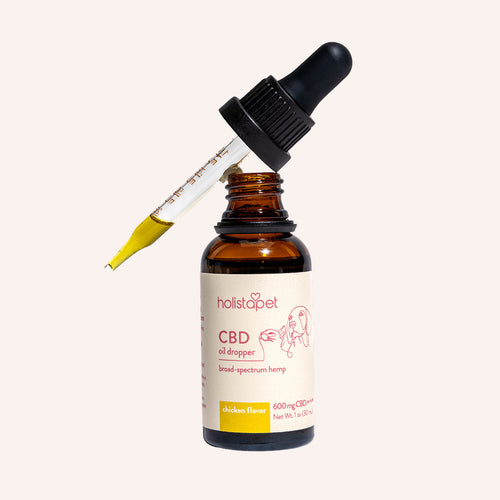 Chicken Flavored CBD Oil For Dogs - Easy Dose
 Salmon Flavored CBD Oil For Dogs - Highly Rated
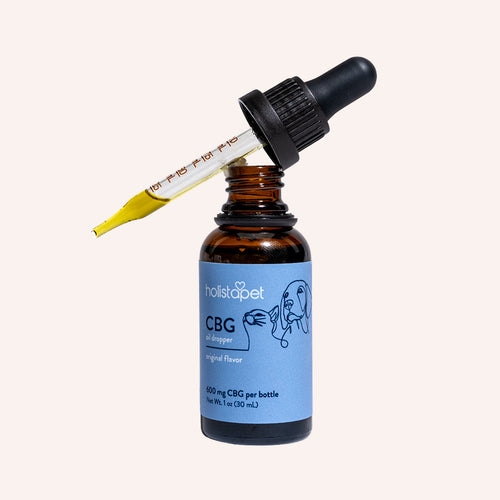 CBG Oil for Dogs and Cats - Loved by Thousands










Leave a comment
All comments are moderated before being published.
This site is protected by hCaptcha and the hCaptcha Privacy Policy and Terms of Service apply.