


Many pet owners use melatonin to support sleep, which raises a common concern when a curious dog grabs a pill. A small amount of plain melatonin often causes mild sleepiness in dogs, but certain products and doses can lead to health risks.
Quick action and the right information help keep a pet safe.
What is Melatonin?

Melatonin is a natural hormone that the body produces to regulate the sleep and wake cycle. The brain releases it in response to darkness, which signals the body to prepare for rest.
Many people also take melatonin as a supplement to support sleep. These supplements come in tablets, capsules, gummies, and liquid forms.
Is Melatonin Safe for Dogs?
Melatonin can be safe for dogs when a veterinarian recommends the correct dose. Some vets use it to help manage anxiety, sleep issues, or certain skin conditions in pets.
Problems can occur when a dog eats too much or consumes products that contain added ingredients like xylitol or artificial sweeteners. These additives can harm dogs and require immediate veterinary care.
Consumption of melatonin products containing xylitol, a sugar substitute toxic to dogs that can cause dangerously low blood sugar or liver failure, requires immediate veterinary care.
What is the Proper Melatonin Dosage for Dogs?
The proper melatonin dose for a dog depends on body weight and guidance from a veterinarian. Correct dosing helps reduce the risk of side effects and keeps the supplement effective.
|
Dog Weight |
Typical Melatonin Dose |
Frequency |
Important Notes |
|
Under 10 lbs |
1 mg |
Up to 2 to 3 times per day |
Use plain melatonin with no sweeteners or additives |
|
10 to 25 lbs |
1.5 to 3 mg |
Up to 2 to 3 times per day |
Confirm dose with a veterinarian before use |
|
26 to 100 lbs |
3 to 6 mg |
Up to 2 to 3 times per day |
Monitor for unusual drowsiness or stomach upset |
|
Over 100 lbs |
6 mg |
Up to 2 to 3 times per day |
Only give under veterinary guidance |
What are the Benefits of Melatonin for Dogs?
Melatonin interacts with circadian rhythm pathways and can help manage stress, anxiety, and sleep problems in dogs, as documented in veterinary behavior research.

Helps Reduce Anxiety
Melatonin can promote calm behavior in dogs during stressful situations.
-
Supports relaxation during loud events such as fireworks or storms
-
Helps dogs remain calmer during travel or unfamiliar environments
- Encourages a steadier stress response through hormone regulation
Veterinary behavior specialists sometimes recommend melatonin as part of anxiety management plans. The American Kennel Club notes that veterinarians may use melatonin to help dogs that struggle with phobias or stress related behaviors.
Supports Healthy Sleep Cycles
Dogs can experience disrupted sleep patterns due to aging or changes in routine. Melatonin helps regulate the natural sleep rhythm.
-
Encourages a more consistent sleep schedule
-
Helps dogs settle at night after periods of restlessness
- Supports natural nighttime hormone signaling
Research published in the Journal of Pineal Research explains that melatonin plays a key role in controlling circadian rhythms in mammals, which includes dogs. Balanced melatonin levels help signal the body when it is time to rest.
May Support Certain Skin and Coat Conditions
Clinical evidence supports melatonin’s use in certain canine alopecia cases, such as seasonal flank alopecia and hair cycle disorders, where it may influence hair follicle activity.
-
Supports management of seasonal flank alopecia
-
May encourage hair regrowth in some cases
- Helps regulate hormone activity linked to coat cycles
According to guidance referenced in Veterinary Dermatology, melatonin can assist in managing seasonal alopecia in dogs by influencing hair growth cycles.
Helps Dogs Relax During Stressful Events
Melatonin creates gentle calming effects that can help dogs settle in tense situations.
-
Encourages relaxation before grooming appointments
-
Helps dogs stay calmer during veterinary visits
- Supports emotional balance during routine disruptions
This mild calming effect is a key benefit of melatonin, as it interacts with receptors in the brain that influence sleep and relaxation signals.
Are There Melatonin Supplements for Dogs?
Yes. Most dog-formulated melatonin products are manufactured to contain pure melatonin without harmful sweeteners and may include third‑party quality verification such as a United States Pharmacopeia (USP) seal that verifies purity and potency. HolistaPet includes melatonin in specific calming products designed to support relaxation and balanced sleep.
-
Melatonin Soft Chews for Dogs: Chewable supplements that combine melatonin with calming herbs such as chamomile, passion flower, and valerian root to support relaxation and rest.
-
Calming Soft Chews with Melatonin: A formula that blends melatonin with ingredients like L theanine, ashwagandha, and tryptophan to help dogs stay calm during stressful situations such as travel, loud noises, or separation.
- HolistaPet Calming Collection: A range of calming supplements that use targeted ingredients, including melatonin in select formulas, to help promote relaxation and emotional balance in dogs.
Consider Melatonin for Your Dog Today

Melatonin can cause mild sleepiness in dogs when they ingest a small amount, but higher doses or products with harmful additives can create health risks. Quick attention and proper guidance from a veterinarian help ensure a dog stays safe after accidental exposure.
Frequently Asked Questions
How long does melatonin last in a dog’s system?
Melatonin usually stays active in a dog’s body for about four to eight hours. The exact duration depends on the dog’s size, metabolism, and the amount consumed.
What symptoms can appear if a dog eats too much melatonin?
Dogs may show excessive sleepiness, upset stomach, vomiting, or changes in heart rate. Some dogs may also appear disoriented or restless.
Should a dog owner call a vet after a dog eats melatonin?
Contact a veterinarian if the dog consumed a large amount, ate a product with added ingredients, or shows unusual symptoms. Immediate advice helps determine the next steps.
Are melatonin gummies dangerous for dogs?
Melatonin gummies can pose risks because many contain xylitol or other sweeteners that are toxic to dogs. A veterinarian should evaluate any suspected ingestion.
Can puppies take melatonin?
A veterinarian must evaluate puppies before giving melatonin. Young dogs have different sensitivities, and dosing requires professional guidance.
 CBD Oil for Dogs - Fast Acting
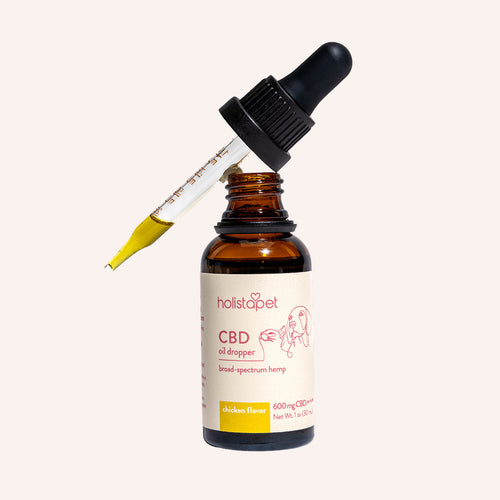 Chicken Flavored CBD Oil For Dogs - Easy Dose
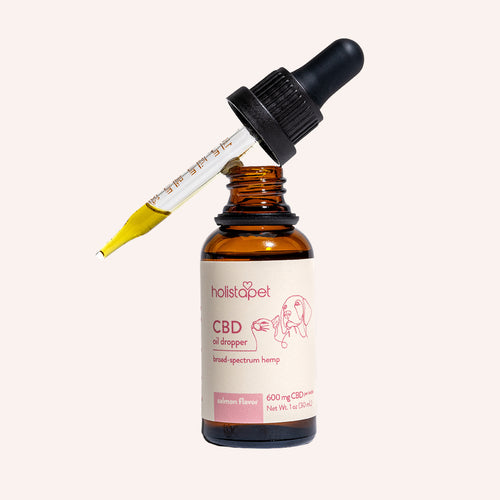 Salmon Flavored CBD Oil For Dogs - Highly Rated
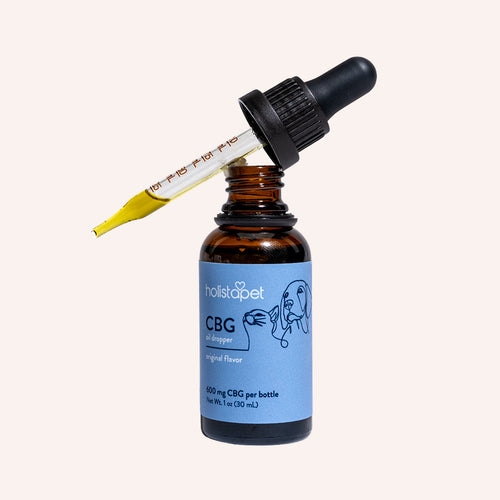 CBG Oil for Dogs and Cats - Loved by Thousands









Leave a comment
All comments are moderated before being published.
This site is protected by hCaptcha and the hCaptcha Privacy Policy and Terms of Service apply.