


A hard stomach in dogs often points to issues like overeating, gas buildup, or something more serious such as bloat or blockage. This change can signal discomfort or danger, especially when paired with unusual behavior.
Recognizing what it means helps owners respond quickly and keep their dog safe.
Why Is My Dog’s Stomach Hard?

A hard stomach in dogs usually comes from gas, overeating, or a more serious issue like bloat or blockage. Some causes stay mild, but others can turn life threatening fast.
1. Overeating or Eating Too Fast
Dogs that eat large amounts quickly often develop a firm belly right after meals. The stomach stretches and fills with food and air.
- Happens after heavy meals
- Common in dogs that gulp food
- Usually improves within a few hours
2. Gas Buildup
Gas can make the abdomen feel tight and swollen. It often comes from diet changes or swallowing air.
- Linked to sudden food changes
- May cause burping or discomfort
- Mild cases resolve on their own
3. Constipation
A backed up digestive system can make the stomach feel hard and uncomfortable.
- Reduced or difficult bowel movements
- Straining during defecation
- Low fiber intake and dehydration commonly cause constipation in dogs.
4. Gastric Dilatation Volvulusv (Bloat)
Bloat causes the stomach to fill with gas and sometimes twist. This condition requires immediate care. The American Kennel Club warns that GDV can become fatal within hours.
GDV produces a visibly distended abdomen and signs of acute distress. See "When to Go to the Vet" below for the full emergency symptom list.
5. Intestinal Blockage
Swallowed objects, toys, bones, or fabric, block digestion and cause the abdomen to swell and harden.
- Vomiting and loss of appetite
- Lethargy or pain
- Common with toys, bones, or fabric ingestion
6. Internal Bleeding or Fluid Build Up
Fluid or blood in the abdomen can create a swollen, hard feeling. This often signals a serious underlying issue.
- Weakness or pale gums
- Rapid breathing
- Trauma and organ disease drive most cases of internal fluid or blood accumulation in dogs.
7. Cushing’s Disease
Hormonal imbalances can cause a pot bellied appearance and firmness over time. According to Merck Veterinary Manual, veterinary endocrinology research, excess cortisol alters fat distribution and muscle tone.
- Increased thirst and urination
- Hair thinning
- Gradual abdominal enlargement
When Do I Go to the Vet for My Dog’s Hard Stomach?
A hard stomach needs a vet visit when it comes with warning signs or does not improve quickly. Some conditions can worsen within hours, so timing matters.
Seek immediate care if any of these signs appear:
- Swollen, tight abdomen that feels like a drum
- Repeated attempts to vomit with nothing coming out
- Sudden restlessness or inability to settle
- Weakness, collapse, or pale gums
- Rapid breathing or signs of pain
The American Veterinary Medical Association states that bloat can progress rapidly and requires emergency treatment, often within a short window.
Schedule a prompt vet visit if symptoms stay mild but do not resolve:
- Firm stomach lasting more than a day
- Reduced appetite or energy
- Constipation or difficulty passing stool
- Occasional vomiting without severe distress
Act sooner for puppies, senior dogs, or breeds prone to bloat such as Great Danes and German Shepherds. Early evaluation helps rule out serious conditions and prevents complications.
Are There Home Remedies for Hard Stomach in Dogs?
Yes, some mild cases of a hard stomach in dogs can improve with simple home care, especially when caused by gas, overeating, or minor digestive upset. Serious or worsening symptoms still require a vet.
|
Situation |
What to Do |
Timeframe |
|
Mild gas or bloating |
Smaller meals and light walks |
Improves within hours |
|
Minor digestive upset |
Bland diet and hydration |
1 to 2 days |
|
Constipation signs |
Increase water and monitor stool |
24 to 48 hours |
|
No improvement |
Contact a vet |
After 1 to 2 days |
|
Severe symptoms |
Seek emergency care |
Immediately |
Adjust Food Intake
Reducing meal size can ease pressure on the stomach and prevent excess air intake.
- Divide meals into smaller portions
- Use slow feeders to control eating speed
- Keep feeding times consistent
Veterinary nutrition studies show controlled portions help reduce digestive strain.
Encourage Gentle Movement
Light movement supports digestion and helps release trapped gas.
- Take short walks after meals
- Avoid vigorous activity right after eating
- Observe for signs of discomfort
Provide Hydration
Proper hydration keeps digestion smooth and helps prevent stool buildup.
- Offer fresh water at all times
- Include moisture rich foods if needed
- Monitor drinking habits
Try a Bland Diet
Simple meals can calm the digestive system and reduce irritation.
- Serve plain boiled chicken and rice
- Feed in small, frequent amounts
- Transition slowly back to regular food
The American Kennel Club supports bland diets for short term digestive issues.
Support the Endocannabinoid System
The endocannabinoid system plays a role in regulating digestion and maintaining internal balance. Supporting this system may help ease mild stomach discomfort.
Holistapet CBD oils and soft chews for dogs use broad-spectrum hemp extract and contain zero THC, making them a safe option for daily digestive support. They are a strong choice for dogs with sensitive stomachs because each batch undergoes third-party lab testing for purity and potency, giving owners confidence in what they give their pet
- CBD may help reduce discomfort and support gut balance
- Research suggests the ECS may play a role in regulating gut inflammation and digestive motility in mammals.
- Holistapet offers CBD oils and treats designed for pets

Emerging veterinary research shows cannabinoids interact with receptors involved in gut motility and inflammation.
Monitor Closely
Home remedies only work when symptoms stay mild and improve quickly.
- Check if the stomach softens over time
- Watch appetite and energy levels
- Stop home care if symptoms worsen
A Hard Stomach May Lead to More Trouble for Dogs
A hard stomach in dogs can signal anything from mild digestive issues to emergencies that need fast care. Watch symptoms closely, act early, and seek veterinary help when signs point to something serious.
Frequently Asked Questions
Can stress cause a dog’s stomach to feel hard?
Yes, stress can affect digestion and lead to temporary tightness in the abdomen. Anxiety may also cause gas or reduced gut movement.
Does a hard stomach always mean pain?
Not always. Some dogs show no clear signs of pain with mild issues like gas. Serious conditions often come with visible discomfort or behavior changes.
How can I check my dog’s stomach safely?
Gently press the abdomen using light pressure. A normal stomach feels soft. Stop if the dog shows signs of pain or resistance.
Are certain breeds more at risk for serious causes?
Yes, large and deep chested breeds face higher risk for conditions like bloat. This includes Great Danes, Boxers, and German Shepherds.
Can parasites cause a hard stomach in dogs?
Yes, heavy parasite loads can lead to bloating and abdominal firmness, especially in puppies.
Should I massage my dog’s stomach?
Light massage may help with mild gas, but avoid it if the dog shows pain, swelling, or distress.
Can dehydration make a dog’s stomach feel firm?
Yes, dehydration can slow digestion and contribute to constipation, which may cause abdominal firmness.
 CBD Oil for Dogs - Fast Acting
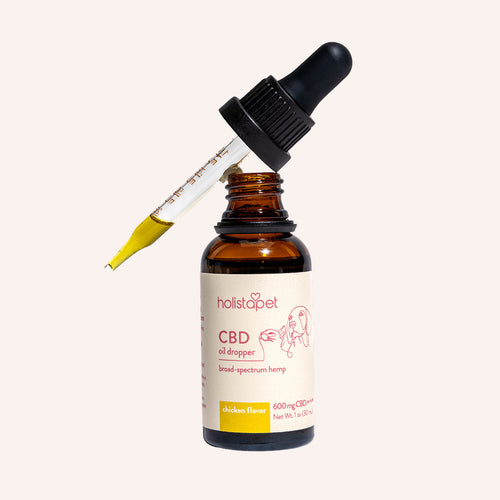 Chicken Flavored CBD Oil For Dogs - Easy Dose
 Salmon Flavored CBD Oil For Dogs - Highly Rated
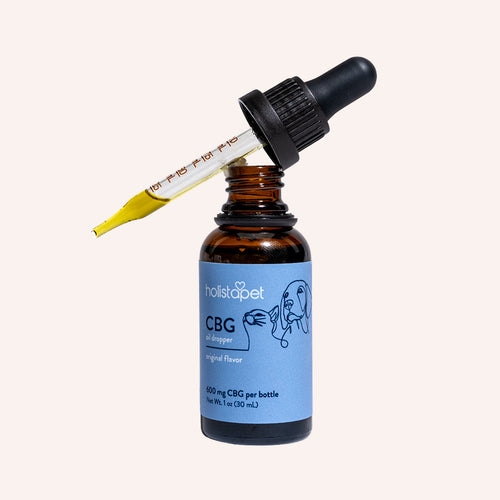 CBG Oil for Dogs and Cats - Loved by Thousands









Leave a comment
All comments are moderated before being published.
This site is protected by hCaptcha and the hCaptcha Privacy Policy and Terms of Service apply.