


Dogs often struggle with digestion problems like gas, diarrhea, or stomach discomfort. Probiotics add beneficial bacteria that balance the dog’s digestive system.
Homemade probiotic foods use natural ingredients to maintain a dog’s gut health.
What are the Best Probiotic Strains for Dogs?
Dogs benefit from specific probiotic strains that support digestion, gut balance, and immune health. Each strain plays a unique role in maintaining a healthy digestive system.
-
Lactobacillus acidophilus helps break down food and supports nutrient absorption. It also limits the growth of harmful bacteria in the gut.
-
Lactobacillus plantarum supports a balanced intestinal environment and helps reduce gas and digestive discomfort.
-
Lactobacillus rhamnosus strengthens immune function and helps protect the digestive tract from harmful microbes.
-
Bifidobacterium animalis supports healthy stool consistency and promotes regular bowel movements.
-
Bifidobacterium bifidum helps maintain gut balance and assists with the digestion of complex carbohydrates.
-
Enterococcus faecium supports a stable gut microbiome and commonly appears in veterinary probiotic formulas.
- Bacillus coagulans survives stomach acid and reaches the intestines where it supports digestive balance and overall gut health.
What’s the Difference Between Probiotics and Prebiotics?
Probiotics and prebiotics both support a dog’s digestive health, but they serve different roles in the gut. One introduces beneficial bacteria, while the other feeds those bacteria.
|
Feature |
Probiotics |
Prebiotics |
|
What they are |
Live beneficial bacteria |
Non digestible fibers that feed good bacteria |
|
Main role |
Add healthy microbes to the gut |
Nourish and support existing gut bacteria |
|
Digestive impact |
Help balance the gut microbiome |
Help beneficial bacteria grow and thrive |
|
Common sources |
Yogurt, kefir, fermented foods |
Pumpkin, bananas, oats, chicory root |
|
Benefit for dogs |
Support digestion, stool quality, and immune health |
Improve gut environment and support bacterial growth |
Related Post: Providing Natural Immune Support for Dogs
How Can Probiotics Help My Dog?

Probiotics maintain a dog’s gut microbiome and improve digestion, stool quality, and immune function.
Improve Digestion
Probiotics help the digestive system break down food and absorb nutrients more efficiently. Balanced gut bacteria support smoother digestion and reduce common stomach issues.
-
Help break down nutrients for better absorption
-
Support a balanced intestinal environment
- Reduce gas and digestive discomfort
Support Healthy Stool
Balanced gut bacteria help regulate bowel movements and improve stool consistency. Many veterinarians recommend probiotics for dogs with occasional digestive upset.
-
Help firm loose stools
-
Promote regular bowel movements
-
Support intestinal balance
According to a study in the Journal of Veterinary Internal Medicine, probiotic supplementation improved stool quality and digestive stability in dogs with gastrointestinal issues.
Strengthen the Immune System
A large portion of a dog’s immune activity occurs in the gut. Healthy gut bacteria help support immune responses and maintain microbial balance.
-
Support natural immune defenses
-
Help control harmful bacteria in the digestive tract
- Maintain microbial diversity
The American Kennel Club confirms that beneficial bacteria regulate the gut environment where many immune cells operate, directly supporting a dog's immune health.
Help After Antibiotic Use
Antibiotics often disrupt gut bacteria. Probiotics help restore beneficial microbes and support digestive recovery.
-
Replenish beneficial bacteria in the gut
-
Support microbial balance after medication
- Help stabilize digestion during recovery
Veterinary researchers at the American Veterinary Medical Association recommend probiotics after antibiotic treatment to help dogs rebuild a healthy gut microbiome.
Reduce Digestive Sensitivity
Probiotics stabilize gut bacteria and reduce digestive discomfort in dogs after dietary changes.
-
Support gut balance during diet transitions
-
Reduce occasional stomach upset
- Promote a stable digestive environment
What are the Ingredients Needed for Homemade Dog Probiotics?

Homemade dog probiotics use simple fermented or fiber rich ingredients that support beneficial gut bacteria. These foods help introduce probiotics or feed existing healthy microbes in a dog’s digestive system.
-
Plain Yogurt: Contains live probiotic cultures that support gut balance and digestion.
-
Kefir: A fermented milk product with diverse probiotic strains that support digestive health.
-
Pumpkin: Provides prebiotic fiber that feeds beneficial gut bacteria and supports stool quality.
-
Fermented Vegetables: Natural fermentation creates beneficial bacteria that support gut balance.
-
Goat Milk: Contains natural probiotics and digestive enzymes that support sensitive stomachs.
-
Bananas: Provide prebiotic fiber that helps beneficial bacteria grow in the gut.
- Oats: Contain soluble fiber that nourishes gut microbes and supports digestion.
Best Homemade Probiotics for Dogs
These simple recipes introduce beneficial bacteria that help maintain a healthy gut.
1. Yogurt and Banana Probiotic Mix
This simple recipe combines probiotic rich yogurt with prebiotic fiber from bananas to support healthy gut bacteria.
Step 1: Mash a small ripe banana in a bowl until smooth.
Step 2: Add two tablespoons of plain unsweetened yogurt that contains live cultures.
Step 3: Mix the ingredients thoroughly until they form a smooth blend.
Step 4: Serve a small spoonful with your dog’s regular meal.
2. Kefir Digestive Boost
Kefir contains diverse probiotic strains that help strengthen gut balance and support digestion.
Step 1: Pour two tablespoons of plain unsweetened kefir into a small bowl.
Step 2: Add one tablespoon of mashed pumpkin for extra digestive fiber.
Step 3: Stir the mixture until the ingredients combine evenly.
Step 4: Add a small portion of the mixture on top of your dog’s food
.
3. Fermented Vegetable Probiotic Mix
Fermented vegetables contain natural beneficial bacteria that support a balanced digestive system.
Step 1: Finely chop a small amount of plain fermented vegetables such as carrots or cabbage.
Step 2: Place one teaspoon of the chopped vegetables into a bowl.
Step 3: Add one tablespoon of plain yogurt to help blend the ingredients.
Step 4: Mix well and add a small portion to your dog’s meal.
4. Goat Milk Probiotic Blend
Goat milk provides natural probiotics and enzymes that support dogs with sensitive stomachs.
Step 1: Pour two tablespoons of plain fermented goat milk into a bowl.
Step 2: Add one tablespoon of mashed banana for natural fiber.
Step 3: Stir the mixture until smooth and evenly blended.
Step 4: Serve a small portion alongside your dog’s regular food.
5. Oat and Pumpkin Gut Support Mix
Oats and pumpkin provide prebiotic fiber that helps beneficial bacteria grow in the digestive tract.
Step 1: Cook a small portion of plain oats with water and allow them to cool.
Step 2: Place two tablespoons of the cooled oats into a bowl.
Step 3: Add one tablespoon of plain yogurt and one tablespoon of pumpkin puree.
Step 4: Stir well and mix a small amount into your dog’s meal.
Are Premade Probiotics Good for Dogs?

Yes. Premade probiotics can support a dog’s digestive health. These supplements deliver beneficial bacteria in measured amounts, which helps maintain a balanced gut microbiome and stable digestion.
Many veterinarians recommend probiotic supplements when dogs experience digestive upset or gut imbalance. Commercial probiotic products often provide consistent strains and reliable potency that homemade foods cannot always match.
-
Provide specific probiotic strains researched for canine digestion
-
Deliver measured CFU counts for consistent daily intake
-
Support stool quality and digestive balance
-
Help restore gut bacteria after antibiotics
- Offer convenient forms such as powders, capsules, or soft chews
Some pet brands produce probiotic supplements designed specifically for dogs. HolistaPet offers probiotic soft chews that combine multiple probiotic strains to support digestive balance and overall gut health.
Premade probiotics often help during periods when dogs need stronger digestive support.
-
After antibiotic treatment
-
During diarrhea or stomach upset
-
During diet transitions
- For dogs with sensitive stomachs
How Do I Introduce Probiotics to My Dog’s Diet?
Add probiotics to a dog’s meals in small amounts and increase the portion gradually. This approach helps the digestive system adjust and prevents stomach upset.
Start With a Small Serving
Introduce probiotics in a very small amount during the first few days. This step allows the gut to adapt to the new bacteria.
-
Add a small spoonful to your dog’s regular meal
-
Use about one quarter of the recommended portion
- Mix the probiotic evenly into the food
Increase the Amount Gradually
Raise the portion slowly after the dog tolerates the first serving. Gradual changes help maintain digestive balance.
-
Increase the portion every three to four days
-
Continue mixing it with regular meals
- Follow serving guidelines for supplements
Monitor Your Dog’s Digestion
Observe your dog closely during the adjustment period. Healthy digestion indicates that the gut accepts the probiotics.
-
Check stool consistency
-
Watch for gas or mild stomach discomfort
- Reduce the portion if digestive upset appears
Maintain a Consistent Routine
Regular intake helps beneficial bacteria stay active in the gut.
-
Add probiotics at the same meal each day
-
Keep the portion consistent once the dog adjusts
- Pair probiotics with a balanced diet for better results
Let Your Dog Enjoy Probiotics the Right Way
Homemade probiotics offer a simple way to support a dog’s digestion and gut balance. Natural ingredients like yogurt, kefir, and pumpkin can introduce beneficial bacteria, while quality supplements can provide consistent probiotic support when needed.
Frequently Asked Questions
Can puppies take probiotics?
Yes. Puppies can benefit from probiotics that support digestive development and stool stability. Use small servings and choose strains formulated for dogs.
How often should dogs take probiotics?
Most dogs can take probiotics daily. Consistent intake helps maintain balanced gut bacteria and stable digestion.
Are human probiotics safe for dogs?
Human probiotics may not suit dogs because they contain strains designed for human digestion. Dog specific probiotics provide strains that support canine gut health.
How long does it take for probiotics to work in dogs?
Some dogs show digestive improvement within a few days. Full gut balance may take one to two weeks of consistent use.
Can probiotics help with dog allergies?
Probiotics may support immune balance in the gut, which can help reduce inflammation linked to some allergies. They work best as part of a broader care plan.
Can dogs get too many probiotics?
Yes. Excess probiotics can cause gas, bloating, or loose stools. Introduce them slowly and follow recommended serving sizes.
 CBD Oil for Dogs - Fast Acting
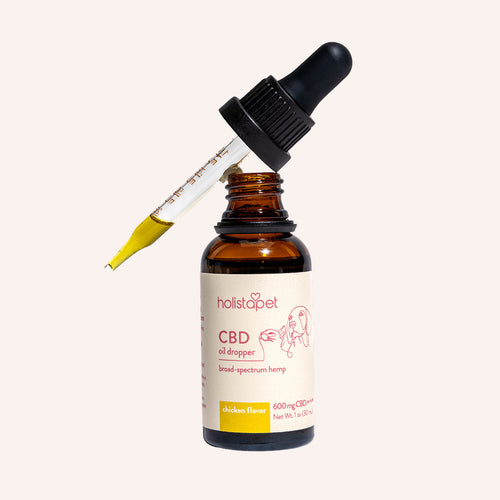 Chicken Flavored CBD Oil For Dogs - Easy Dose
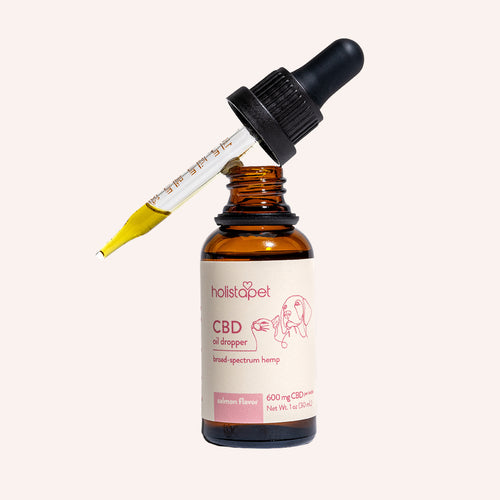 Salmon Flavored CBD Oil For Dogs - Highly Rated
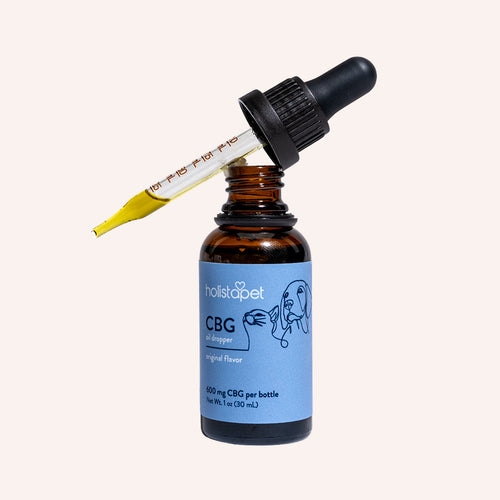 CBG Oil for Dogs and Cats - Loved by Thousands









Leave a comment
All comments are moderated before being published.
This site is protected by hCaptcha and the hCaptcha Privacy Policy and Terms of Service apply.