

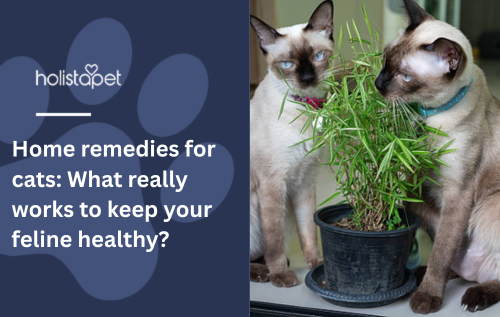
Cats are curious, lovable, and sometimes a little mysterious. But when they get sick, it can be stressful—not just for your cat but for you as well. While veterinary care is always the first line of defense, many pet owners turn to home remedies to help soothe minor ailments or support overall feline wellness.
In this guide, we’ll explore safe and effective home remedies for cats, backed by expert advice, so you can keep your furry friend happy and healthy.
 Why consider home remedies for your cat?
Cats can’t tell us exactly what’s wrong, so minor illnesses like upset stomachs, mild skin irritation, or stress can be worrying. Home remedies can be a gentle way to:
-
Support digestive health
-
Soothe minor skin issues
-
Reduce stress or anxiety
-
Promote overall well-being
⚠️ Note: Home remedies are meant for mild issues only. Always consult your veterinarian for serious symptoms, sudden changes in behavior, or chronic health problems.
Safe and effective home remedies for cats
1. Digestive support with pumpkin
Pumpkin is a natural fiber source that can help with constipation or diarrhea. Adding a small amount of plain canned pumpkin (not pumpkin pie filling) to your cat’s food can help regulate their digestive system.
2. Soothing skin with oatmeal
If your cat has dry or itchy skin, an oatmeal bath can provide relief. Grind plain oatmeal into a fine powder, mix with warm water, and gently apply to your cat’s fur. Rinse carefully and pat dry.
3. Hydration with homemade broth
Cats often don’t drink enough water. Offering a low-sodium chicken or beef broth can encourage them to stay hydrated while providing extra nutrients.
4. Calming anxiety with pheromones or herbal remedies
Stress can lead to behavioral or health issues in cats. Feline pheromone diffusers, or natural herbs like catnip and chamomile (in moderation), can help create a calming environment.
5. Mild pain relief with heat therapy
For minor aches, like stiff joints in older cats, a warm (not hot) heating pad wrapped in a towel can provide gentle relief. Limit sessions to 10–15 minutes and always supervise.
 Frequently Asked Questions
Q1: Can I give my cat human medicine at home?
No. Many human medications are toxic to cats. Always consult a veterinarian before giving any medicine.
Q2: How do I know if a home remedy is safe?
Only use remedies that are non-toxic and vet-approved. Avoid essential oils, chocolate, caffeine, onions, garlic, and anything with xylitol.
Q3: How often can I use these remedies?
It depends on the remedy. Pumpkin or broth can be offered daily in small amounts, while baths or heat therapy should be occasional.
Q4: When should I see a vet instead of trying a home remedy?
If your cat shows vomiting, diarrhea, lethargy, loss of appetite, or unusual behavior for more than a day or two, see a veterinarian immediately.
Final Thoughts
Home remedies can be a helpful and gentle way to support your cat’s health, but they should never replace professional veterinary care. By combining safe home remedies with regular vet checkups, you can ensure your cat stays happy, healthy, and thriving.
Remember, every cat is different. What works for one may not work for another, so always start slow, observe your cat’s reactions, and consult your vet if you’re unsure.
 CBD Oil for Cats - Fast Acting
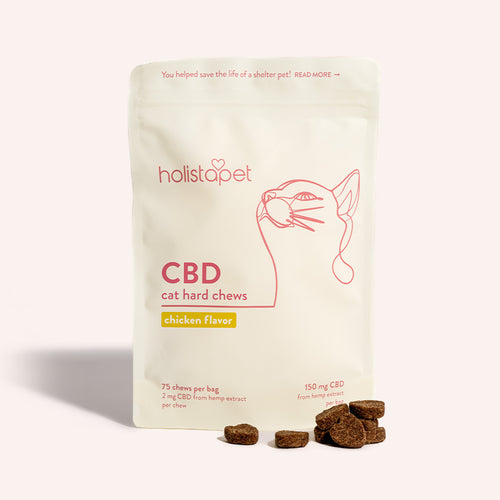 CBD Cat Treats - Easy Dose
 CBD Calming Chews for Cats - Highly Rated
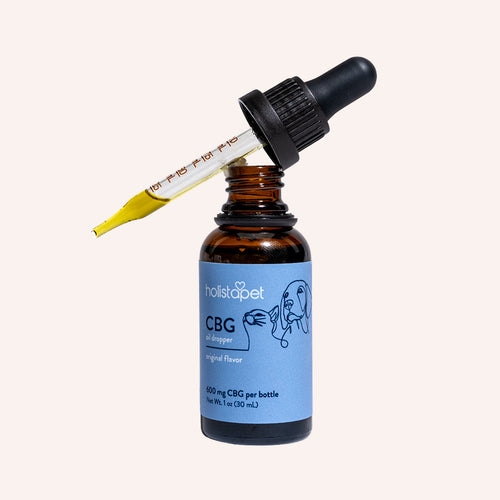 CBG Oil for Dogs and Cats - Loved by Thousands











Leave a comment
This site is protected by hCaptcha and the hCaptcha Privacy Policy and Terms of Service apply.