

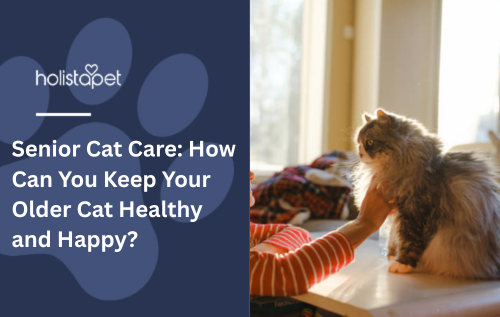
As our feline friends age, their needs change. Senior cats often require extra attention, from diet and exercise to medical check-ups. Understanding these needs can help your cat live a longer, healthier, and happier life. In this guide, we’ll cover essential tips, common challenges, and expert advice for caring for senior cats.
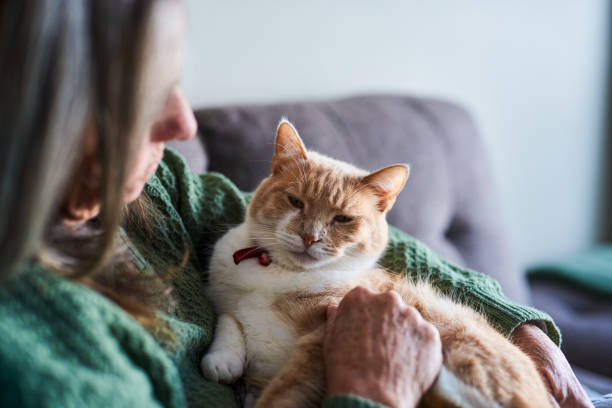 Why Do Senior Cats Need Special Care?
Cats over the age of 7 are considered seniors. Just like humans, aging can bring health challenges such as arthritis, dental issues, kidney disease, and weight changes. Providing senior-specific care ensures your cat remains comfortable, active, and content in their golden years.
Adjusting Diet and Nutrition
Nutrition is key for senior cats. Aging cats often need food that:
-
Supports kidney and liver function
-
Maintains healthy weight and muscle mass
-
Is easy to digest
Wet food can be easier for older cats to chew, and a mix of wet and dry food can help maintain hydration and dental health.
Regular Veterinary Checkups
Routine veterinary visits are crucial. Seniors are more prone to diseases that may not show obvious symptoms. A vet can:
-
Detect early signs of kidney or thyroid issues
-
Monitor weight, dental health, and joint function
-
Recommend vaccinations or preventive care
Exercise and Mental Stimulation
Even senior cats need physical and mental activity. Gentle play, interactive toys, and scratching posts can:
-
Reduce stress
-
Prevent obesity
-
Keep their minds sharp
Comfort at Home
Senior cats often enjoy cozy, quiet spaces. Consider:
-
Soft bedding in warm spots
-
Litter boxes with lower sides for easy access
-
Ramps or steps to help reach favorite resting areas
 Frequently Asked Questions
Q1: At what age is a cat considered a senior?
A cat is generally considered a senior at around 7 years old, though larger breeds may age faster.
Q2: How often should I take my senior cat to the vet?
Senior cats benefit from at least two veterinary visits per year to catch health issues early.
Q3: What are common health problems in senior cats?
Arthritis, kidney disease, dental problems, hyperthyroidism, and obesity are common in older cats.
Q4: How can I help my senior cat stay active?
Gentle play sessions, puzzle feeders, and safe indoor climbing areas keep them physically and mentally stimulated.
Q5: Should I change my cat’s diet as they age?
Yes. Older cats often need diets with lower calories, higher protein, and nutrients that support joint, kidney, and immune health.
Final Thoughts
Caring for a senior cat requires attention, patience, and love. By adjusting their diet, ensuring regular veterinary care, providing stimulation, and creating a comfortable home, you can help your cat enjoy their golden years to the fullest. Senior cats may slow down, but with the right care, they can continue to thrive and remain a cherished part of your family for many years.
 CBD Oil for Cats - Fast Acting
 CBD Cat Treats - Easy Dose
 CBD Calming Chews for Cats - Highly Rated
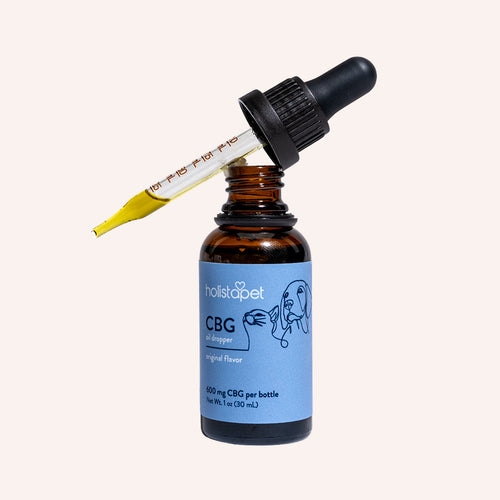 CBG Oil for Dogs and Cats - Loved by Thousands









Leave a comment
This site is protected by hCaptcha and the hCaptcha Privacy Policy and Terms of Service apply.