


When it comes to protecting your home and family, choosing the right dog breed is crucial. Some dogs are naturally protective, alert, and loyal, making them excellent companions for safety. But which dog breeds are best for protection, and what should you consider before bringing one into your home?
 What Makes a Dog Good for Protection?
Not all dogs are suitable for protection work. A protective dog should have a balance of strength, intelligence, loyalty, and the ability to differentiate between real threats and normal situations. Training, socialization, and temperament testing are essential to ensure your dog is both safe and effective at protecting your family.
Top Dog Breeds for Protection
Here are some of the most popular and reliable breeds known for their protective instincts:
1. German Shepherd
German Shepherds are intelligent, loyal, and versatile. They excel in police and military work, making them top choices for protection at home.
2. Rottweiler
Rottweilers are confident and fearless. With proper training, they can be gentle family companions while still serving as excellent protectors.
3. Doberman Pinscher
Dobermans are fast, alert, and highly trainable. Their agility and loyalty make them outstanding protection dogs.
4. Belgian Malinois
Often used in law enforcement, Belgian Malinois are energetic and highly intelligent. They require an active lifestyle and consistent training.
5. Bullmastiff
Bullmastiffs are powerful and calm. Their natural guarding instincts make them protective without being overly aggressive.
6. Boxer
Boxers are alert, playful, and courageous. They bond deeply with their families and act as both companions and protectors.
7. Akita
Akitas are dignified and protective. They are known to be fiercely loyal to their family and cautious with strangers.
Key Considerations Before Choosing a Protection Dog
-
Training Needs: Some breeds require more intensive training than others.
-
Living Space: Large, active dogs need room to exercise.
-
Temperament: Protective breeds must be socialized properly to prevent aggression toward non-threats.
-
Family Compatibility: Ensure the breed fits well with children and other pets.
 Frequently Asked Questions
Q1: Are protection dogs aggressive?
A: Not necessarily. Properly trained protection dogs are calm, obedient, and will only act when they sense a real threat.
Q2: Can any dog be trained for protection?
A: While some dogs can learn basic protection skills, breeds with natural guarding instincts are more effective and safer.
Q3: How long does it take to train a protection dog?
A: Depending on the breed and the dog’s temperament, formal training can take several months to a year.
Q4: Are protection dogs good for families with children?
A: Many protective breeds are loyal and gentle with family members when properly socialized.
Q5: How do I choose the right breed for protection?
A: Consider your lifestyle, living environment, activity level, and the dog’s temperament before making a decision.
Final Thoughts
Choosing a dog for protection is a serious commitment. A well-trained protective dog can provide security and peace of mind, but it requires time, training, and responsible ownership. By understanding the traits of different breeds and their training needs, you can select a loyal protector that fits your home and family lifestyle.
Helpful Notes
-
Always work with professional trainers when teaching protection skills.
-
Prioritize socialization to prevent unnecessary aggression.
-
Consider adopting from reputable breeders or rescue organizations that specialize in protective breeds.
-
Regular exercise and mental stimulation are essential for protective breeds.
-
Ensure local laws and regulations regarding protective dogs are followed.
 CBD Oil for Dogs - Fast Acting
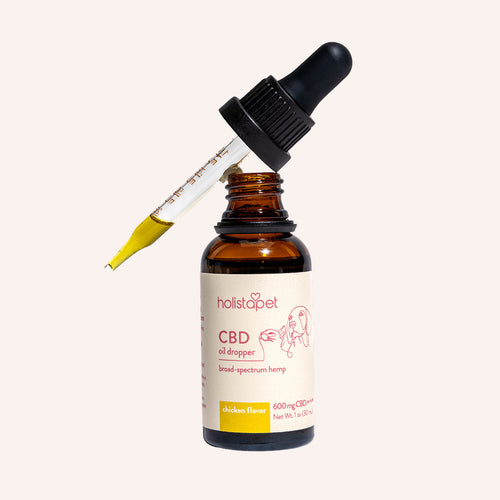 Chicken Flavored CBD Oil For Dogs - Easy Dose
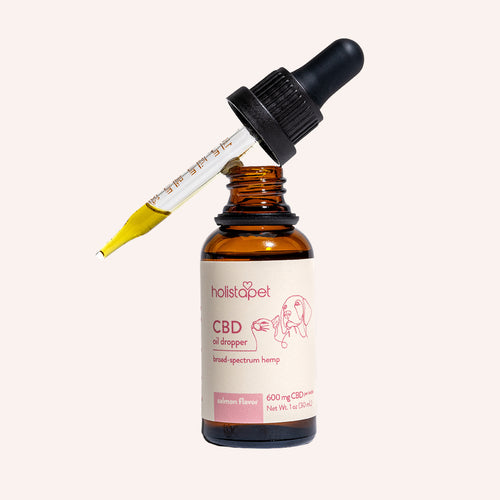 Salmon Flavored CBD Oil For Dogs - Highly Rated
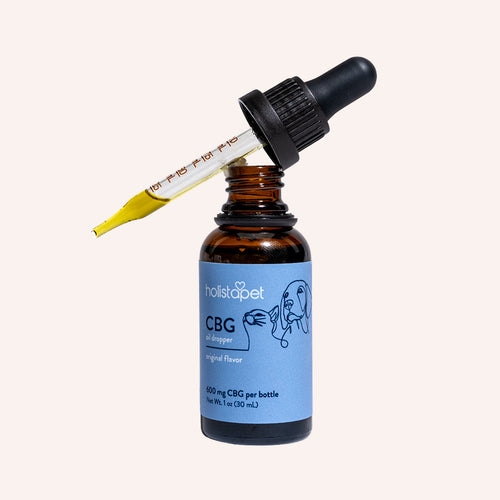 CBG Oil for Dogs and Cats - Loved by Thousands










Leave a comment
All comments are moderated before being published.
This site is protected by hCaptcha and the hCaptcha Privacy Policy and Terms of Service apply.