


Feeding your puppy isn’t just about filling a bowl—it’s about giving them the nutrition they need to grow healthy and strong. Puppies have specific dietary requirements that change as they grow, and understanding a proper feeding schedule is essential for their overall health. In this post, we’ll walk you through an effective puppy feeding schedule and answer common questions every puppy parent has.
 Why a Puppy Feeding Schedule Matters
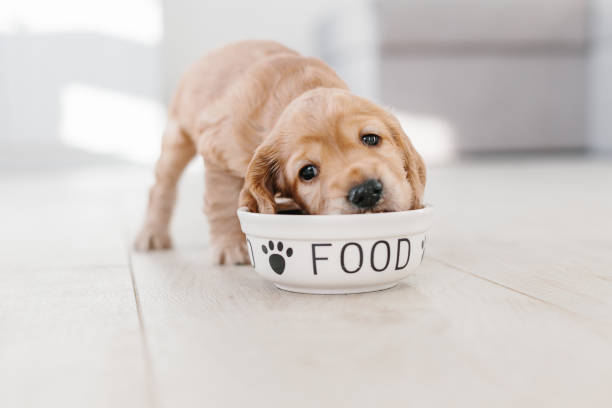
A consistent feeding schedule helps regulate your puppy’s digestion, supports healthy growth, and can even assist in house training. Puppies have small stomachs, meaning they need frequent, properly sized meals throughout the day. Feeding them too little can lead to malnutrition, while overfeeding can cause obesity and digestive problems.
How Often Should You Feed Your Puppy?
The frequency of feeding depends on your puppy’s age:
-
8-12 weeks old: 4 meals per day
-
3-6 months old: 3 meals per day
-
6-12 months old: 2 meals per day
Remember, smaller breeds may need slightly more frequent meals, while larger breeds may do well with slightly fewer meals as they grow.
Tips for a Healthy Puppy Feeding Schedule
-
Measure Meals Carefully: Avoid free-feeding. Use a measuring cup to ensure your puppy gets the right portion.
-
Feed at Consistent Times: Try to feed your puppy at the same times every day.
-
Choose Quality Puppy Food: Select a high-quality puppy food that meets AAFCO nutritional guidelines.
-
Monitor Growth: Regularly weigh your puppy and adjust portions as recommended by your vet.
-
Fresh Water Always Available: Puppies need constant access to fresh water alongside their meals.
 Frequently Asked Questions
Q1: Can I feed my puppy human food?
Some human foods are safe in small amounts, like cooked chicken or plain rice, but avoid chocolate, onions, grapes, and anything fatty. Always consult your vet before introducing new foods.
Q2: What if my puppy refuses to eat?
A loss of appetite may be temporary, but persistent refusal could signal health issues. Monitor their behavior and consult your veterinarian if needed.
Q3: Should I switch to adult dog food at 12 months?
Yes, most puppies transition to adult dog food between 12 and 18 months, depending on breed and size. Always make the switch gradually over 7-10 days.
Q4: How do I know if I’m overfeeding my puppy?
Check their body condition—if you can’t feel their ribs easily or they’re gaining weight too quickly, reduce portion sizes and consult your vet.
Helpful Notes for Puppy Owners
-
Stick to a routine to help with training and digestion.
-
Avoid feeding before or after vigorous exercise to prevent digestive upset.
-
Keep a feeding journal for the first few months to track growth and habits.
-
Treats should make up less than 10% of daily calories to avoid overfeeding.
Final Thoughts
A well-structured puppy feeding schedule sets the foundation for a healthy, happy dog. By understanding portion sizes, frequency, and quality nutrition, you’ll ensure your puppy grows strong and thrives. Remember, every puppy is unique, so work closely with your veterinarian to tailor a schedule that fits your furry friend’s needs.






Leave a comment
This site is protected by hCaptcha and the hCaptcha Privacy Policy and Terms of Service apply.