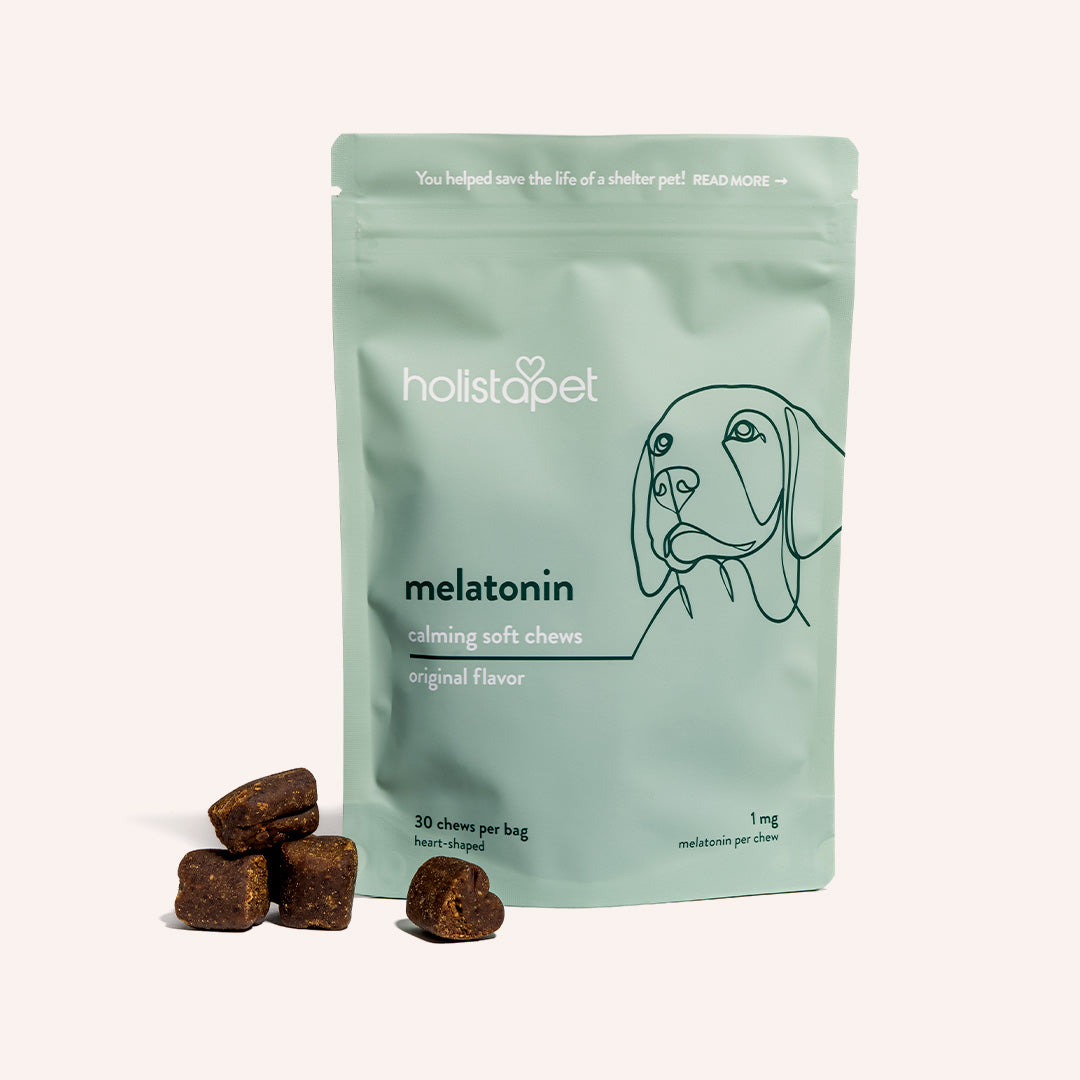




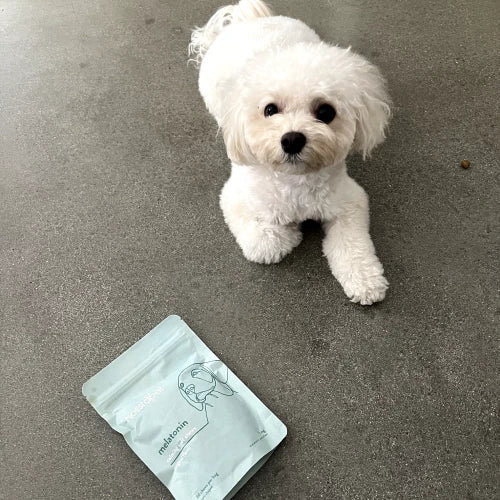
Melatonin for Dogs [1mg Per Chew]
Natural Sleep & Calm Support
Melatonin is a hormone naturally produced in a dog's pineal gland that helps regulate the body’s internal clock, also known as the circadian rhythm. When used as a supplement, melatonin for dogs may help support more consistent sleep patterns, making it especially helpful for pets that experience nighttime restlessness or difficulty settling down.
Benefits
Benefits
- 100% all-natural ingredients
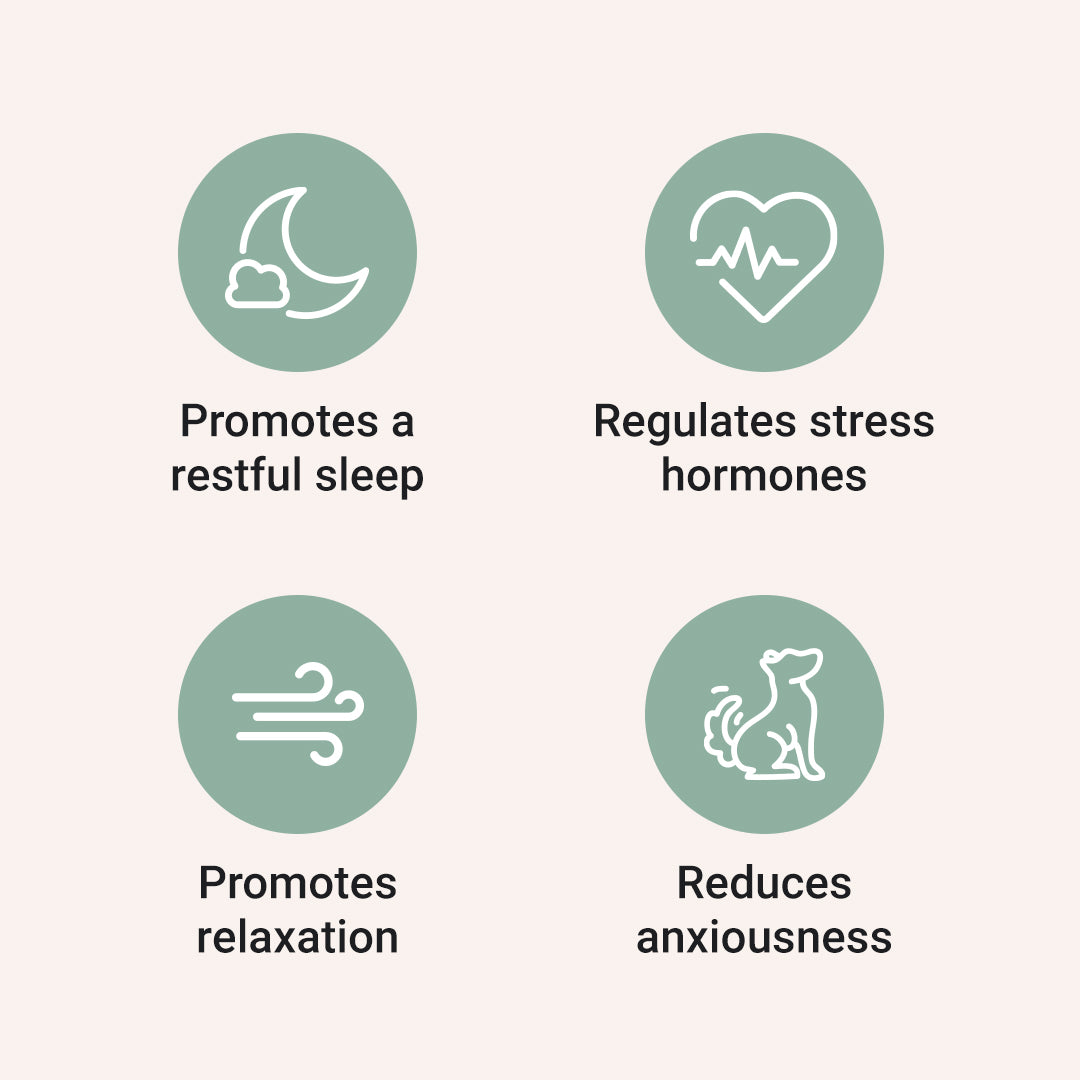
- Reduces anxiousness and promotes relaxation for your dog
- Natural way to keep your pup calm, cool, and collected
- Helps ease their mind and body for sleep regulation
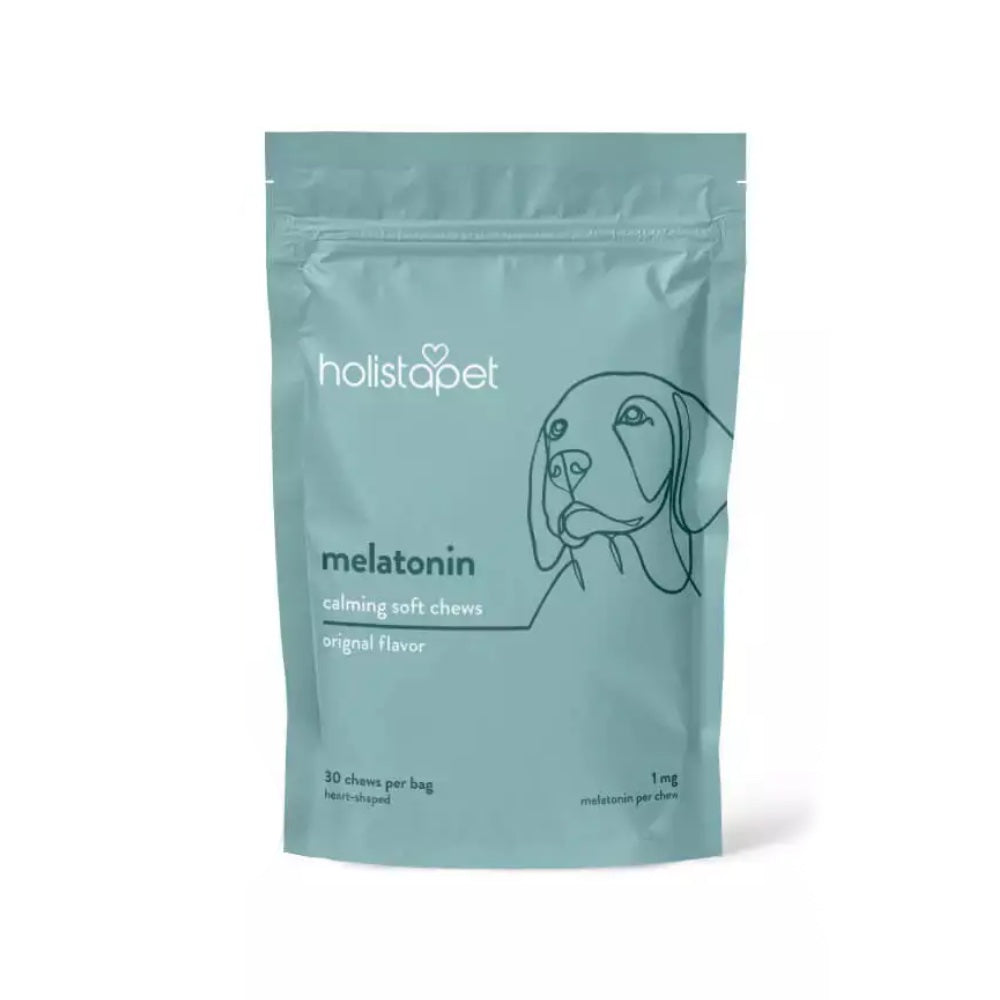
- 30 chews per bag
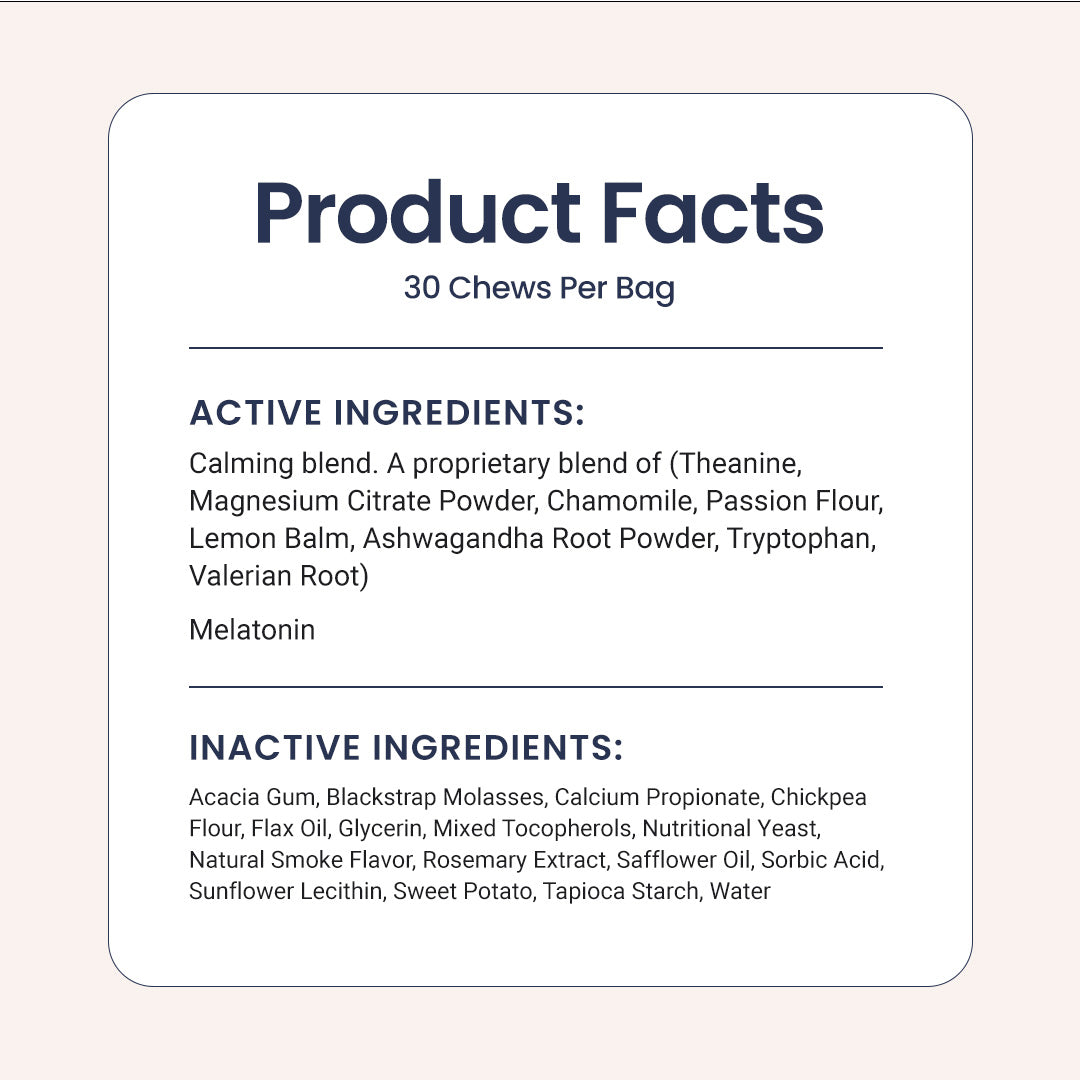
- Propietary blend of L-theanine, chamomile, passion flower, ashwagandha, trytophan, valerian root, and other calming ingredients.
Serving Sizes
Serving Sizes
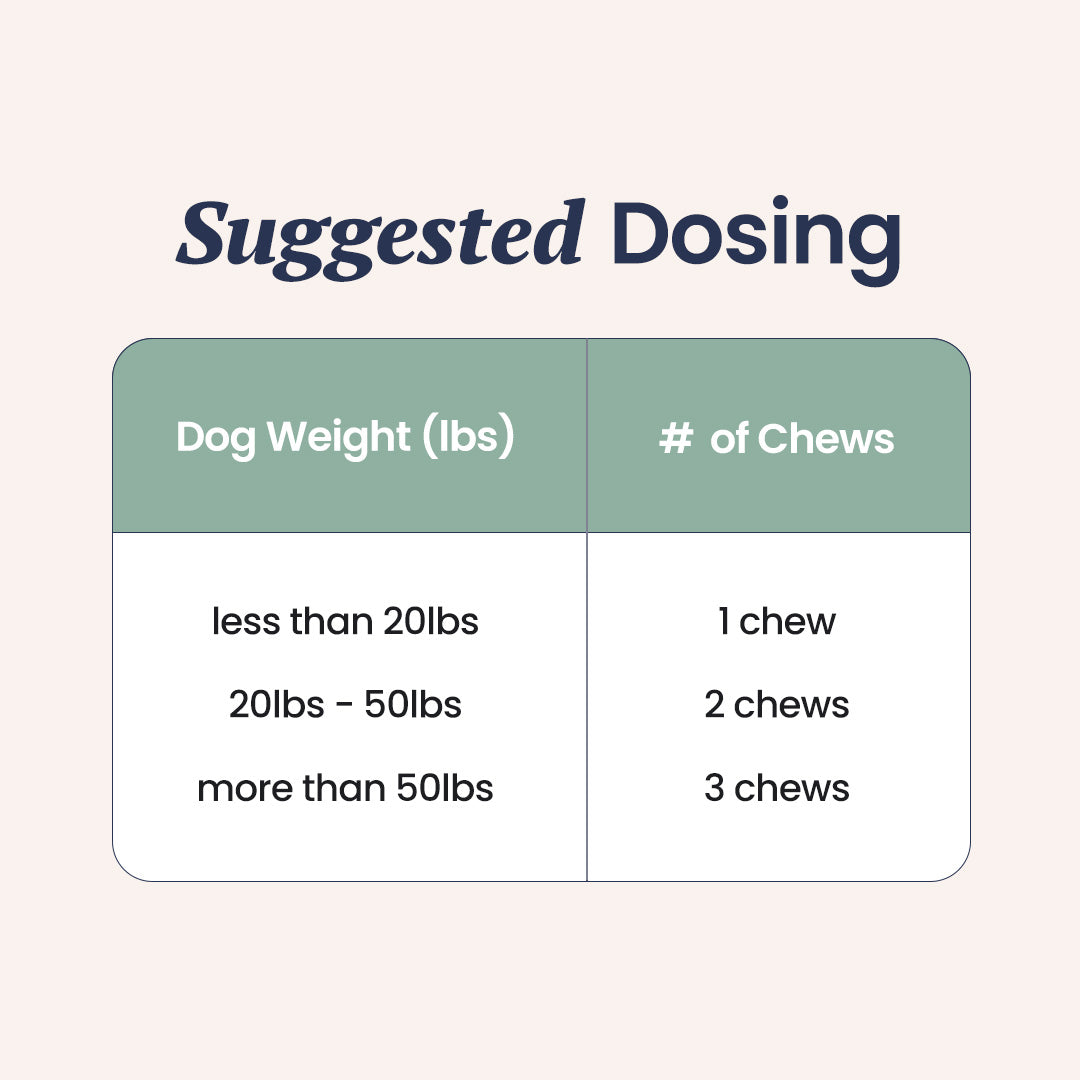
- Less than 20 lbs = 1 chew
- 20–50 lbs = 2 chews
- More than 50 lbs = 3 chews
*or as needed
Frequently Purchased Together
Commonly added with Melatonin for Dogs
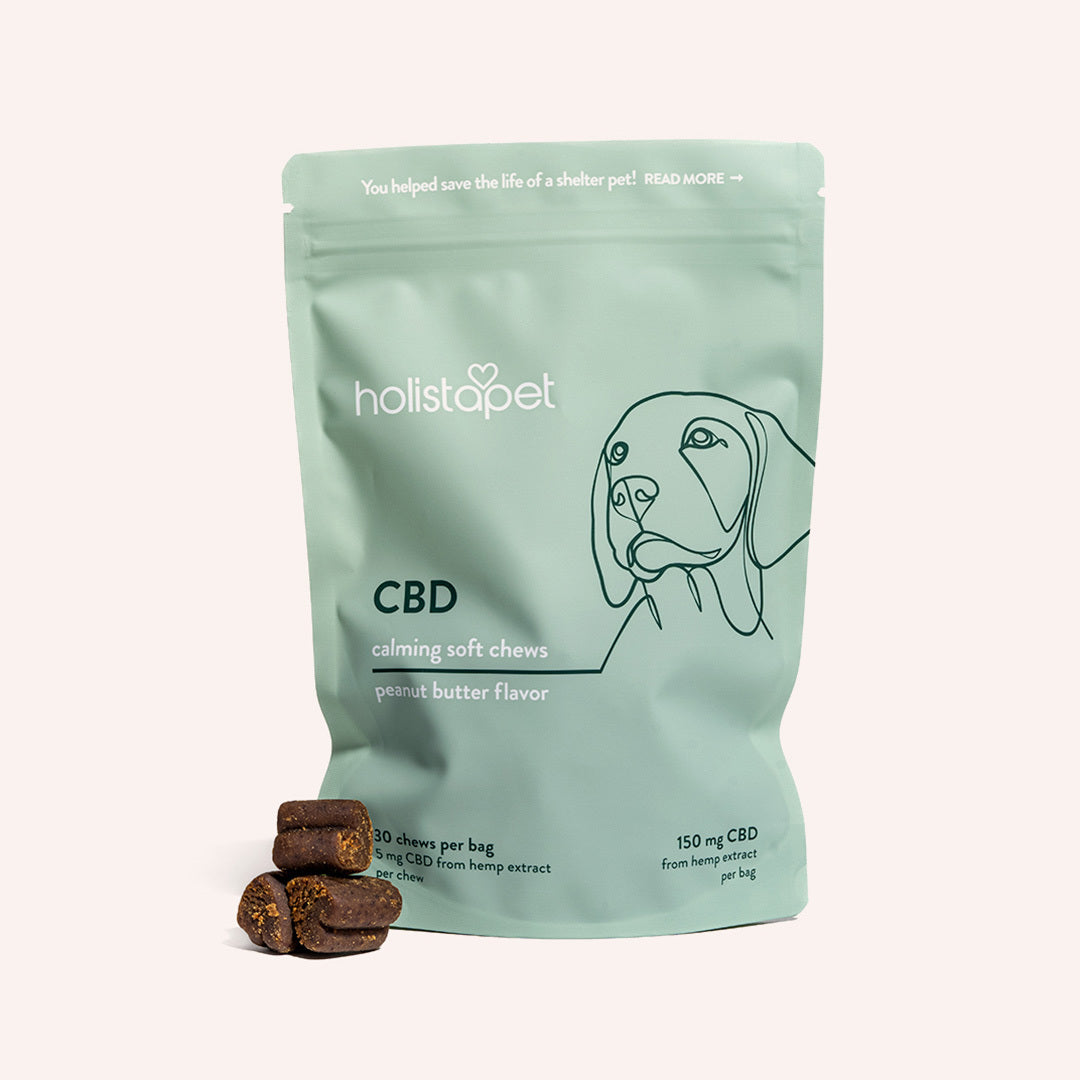
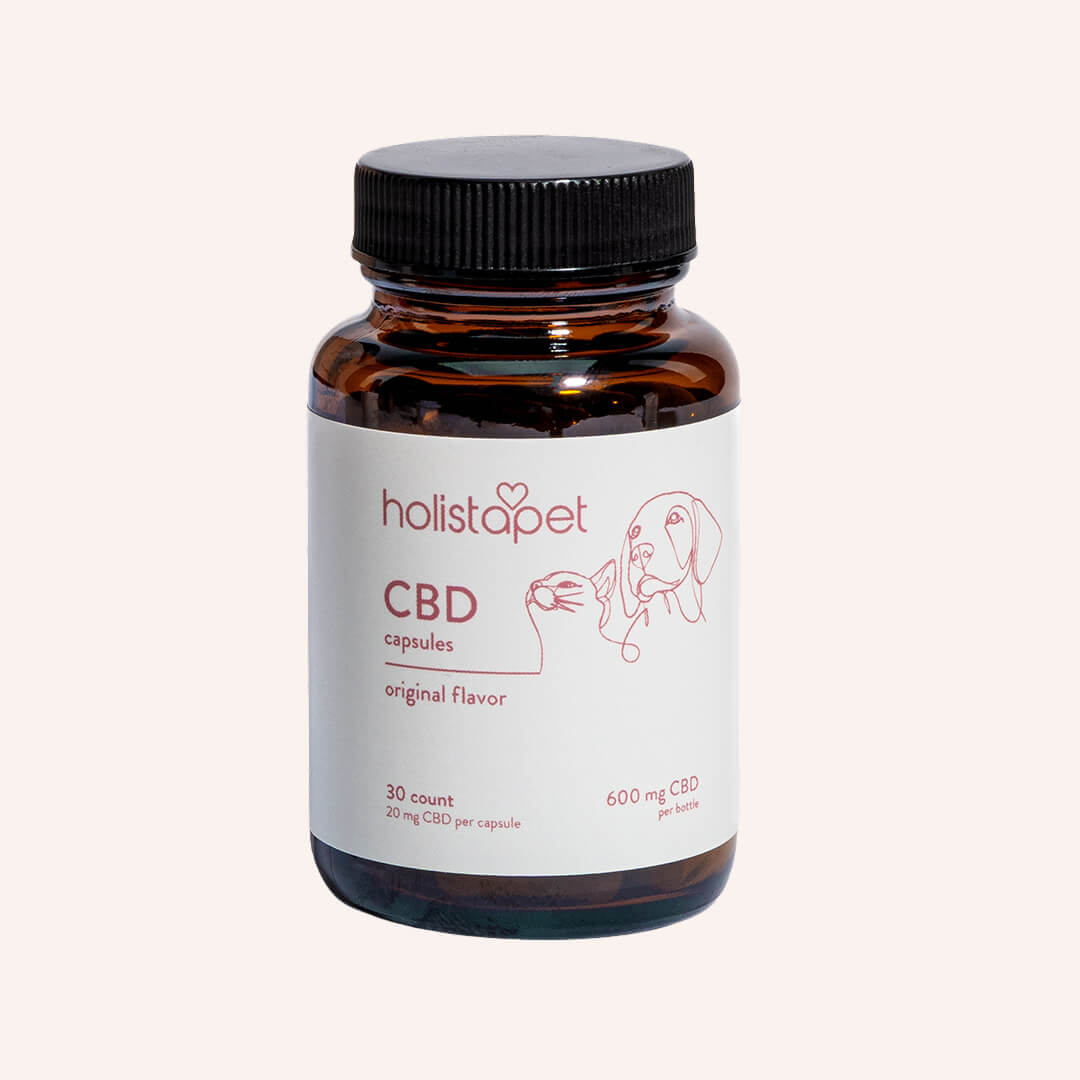

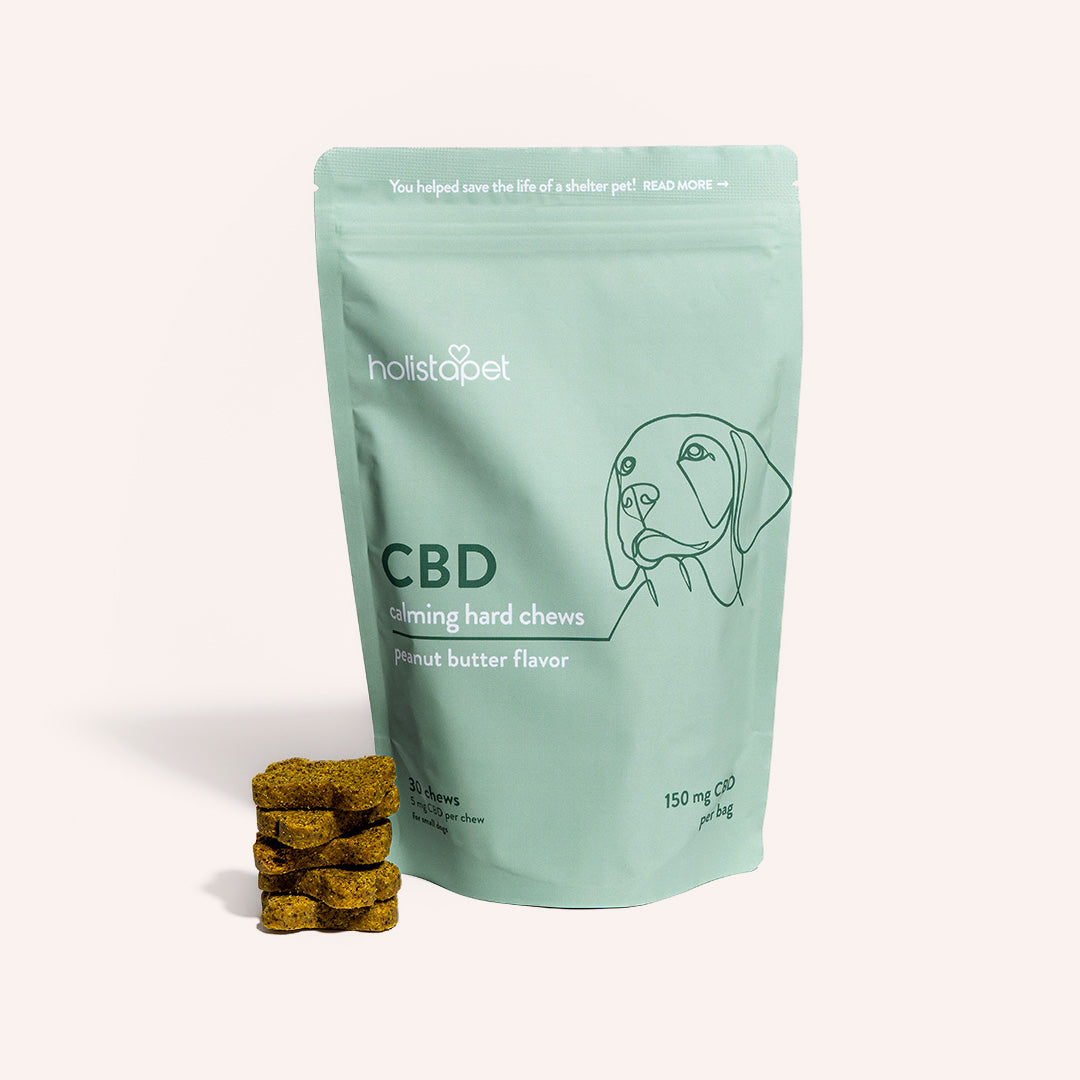




What Pet Parents Are Saying
Third-Party Trusted Reviews. Real Customers. Real Results.

Premium Quality Melatonin for Dogs
Our Melatonin for Dogs is formulated with carefully selected ingredients designed to support relaxation and healthy nighttime rest in dogs.
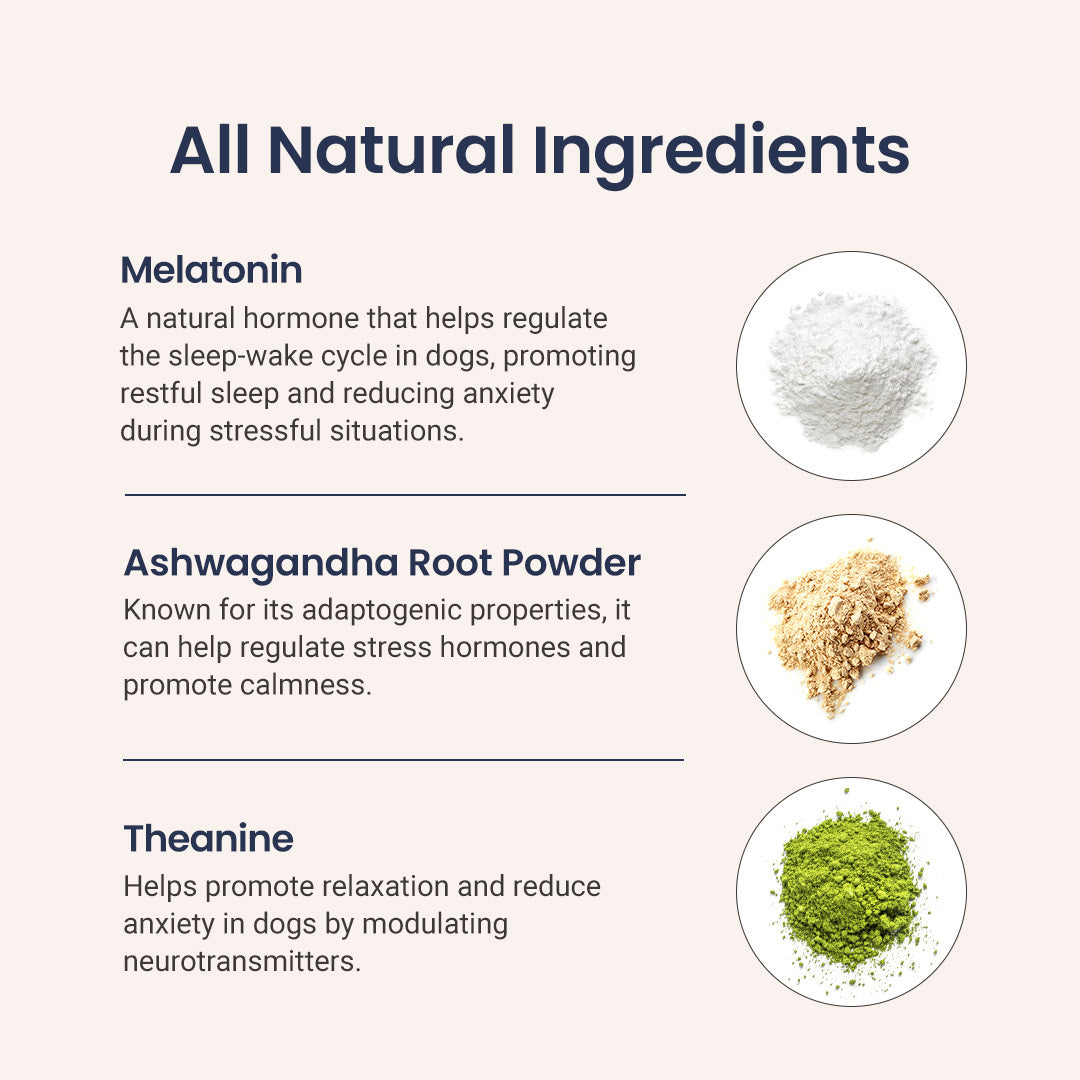
- The formula includes melatonin to help regulate natural sleep-wake cycles, along with calming amino acids such as L-Theanine and L-Tryptophan to promote relaxation and a balanced mood.
- It also features soothing herbal extracts such as chamomile, passion flower, valerian root, lemon balm, and ashwagandha to help support calm behavior and reduce nervous energy. Magnesium citrate is included to support nerve function and healthy nervous system balance.
- Made with natural ingredients and free of artificial additives or preservatives, every batch is third-party lab-tested for purity and potency.
- These supplements are produced in a GMP-certified manufacturing facility and formulated specifically for canine wellness and safety, with consistent dosing and easy administration for dogs of different sizes.
The Science Behind Melatonin for Dogs [Sleep Regulation and Calming Support]
Research Studies on Melatonin and Dogs
Melatonin plays an important role in regulating biological rhythms in both humans and animals. Research shows that this naturally occurring hormone helps control sleep-wake cycles, which are influenced by light exposure and internal circadian timing mechanisms. In dogs, balanced melatonin activity may support calm nighttime behavior and general relaxation.
Buy Melatonin Soft Chews
Melatonin and Sleep Regulation Study in Dogs
Melatonin and Sleep Regulation Study in Dogs
When you give a dog melatonin supplement, it mainly helps them chill out and get better sleep. Most dogs handle melatonin just fine without any adverse effects, but some might feel a bit sleepy or experience discomfort in their tummy.
The cool part is melatonin gets to work fairly quickly, usually in about an hour or so. This means timing the dose right can help your dog stay calm through frightening situations.
Remember, every dog is different. What works for a specific dog might not work for another. That's why observing your furry pal after they take melatonin for the first time is a must.
Melatonin Research on Anxiety and Stress in Dogs
Melatonin Research on Anxiety and Stress in Dogs
Veterinary behavioral research has examined how melatonin may influence stress responses in animals. Some studies suggest that the hormone may help regulate neurochemical pathways involved in calm behavior and environmental adaptation. Researchers continue to investigate melatonin’s role in supporting animals during periods of environmental change or temporary stress. Read Research on Melatonin and Stress Support in Dogs
Veterinary Research on Melatonin for Hair Regrowth in Dogs
Veterinary Research on Melatonin for Hair Regrowth in Dogs
Several veterinary studies have explored pet melatonin supplementation in dogs experiencing seasonal flank alopecia, a condition linked to hormonal cycles. Research published in veterinary dermatology journals suggests that melatonin may support hair regrowth in some dogs affected by seasonal hair loss. These findings highlight melatonin’s role in hormonal regulation within the canine body.
Explore Veterinary Research on Melatonin and Hair Regrowth
Study on Melatonin and Hormonal Support in Dogs
Study on Melatonin and Hormonal Support in Dogs
Melatonin has also been studied for its interaction with endocrine functions in animals. Research published through the Journal of Veterinary Behavior describes how melatonin interacts with hormones that influence seasonal biological changes in mammals. This research provides insight into how melatonin may support normal physiological rhythms in dogs. Review Research on Melatonin and Hormonal Support in Dogs

Reviewed by Dr. Kwane Stewart, HolistaPet’s Chief Veterinary Advisor
Dr. Kwane Stewart is a licensed veterinarian and HolistaPet’s Chief Veterinary Advisor with decades of experience caring for animals. He provides veterinary guidance on product development and reviews product-related educational content to support accurate pet wellness information. His involvement helps ensure HolistaPet’s products and resources reflect responsible, science-informed practices for pet owners. Beyond his role with HolistaPet, Dr. Stewart is also the founder of the nonprofit Street Vet initiative, which provides veterinary care to pets belonging to individuals experiencing homelessness. Learn more about Dr. Kwane Stewart here.

What Ingredients Are Included?
Active Ingredients:
- Theanine – 100 mg
- Magnesium Citrate Powder – 50 mg
- Chamomile – 50 mg
- Passion Flower – 50 mg
- Lemon Balm – 25 mg
- Ashwagandha Root Powder – 25 mg
- Tryptophan – 25 mg
- Valerian Root – 25 mg
- Melatonin – 1 mg
Inactive Ingredients: Acacia Gum, Blackstrap Molasses, Calcium Propionate, Chickpea Flour, Flax Oil, Glycerin, Mixed Tocopherols, Nutritional Yeast, Natural Smoke Flavor, Rosemary Extract, Safflower Oil, Sorbic Acid, Sunflower Lecithin, Sweet Potato, Tapioca Starch, Water.
Can Dogs Take Melatonin?
Yes, dogs can take melatonin, and it is sometimes used in veterinary medicine to support healthy sleep patterns and calm behavior. Melatonin is a natural hormone that regulates the body’s sleep-wake cycle, and veterinarians may recommend it for dogs experiencing sleep disorders, nighttime restlessness, or temporary stress. Because dogs naturally produce melatonin, small supplemental amounts can help support normal circadian rhythms.
How Long Does Melatonin Take to Work for Dogs?
Melatonin may begin supporting calm behavior within about 20–60 minutes after administration. Because it works with the body’s natural sleep-wake signals, it is often given before bedtime or before potentially stressful situations. The calming effects typically last 4–8 hours, depending on the dog’s size, metabolism, and sensitivity to the supplement.
When Do Pet Owners Give Dogs Melatonin
Melatonin is typically given in the evening to support healthy nighttime sleep cycles. Some pet owners also give melatonin before situations that may cause temporary stress, such as travel or changes in routine. Providing the supplement around the same time each day can help maintain a consistent circadian rhythm.
How Much Melatonin Should I Give My Dog? [Provision & Dosage Guidance]
We recommend giving your dog our Calming Melatonin Soft Chews once a day or as needed. Here are the recommended serving suggestions based on your dog’s weight:
Less than 20 lbs = 1 chew*
20–50 lbs = 2 chews*
More than 50 lbs = 3 chews*
*or as needed
Always follow product serving guidelines and consult your veterinarian if you have questions about your dog’s individual needs.
Are There Any Potential Side Effects?
Melatonin is generally well tolerated by dogs, but mild side effects can occasionally occur. These may include temporary drowsiness, digestive upset, or slight changes in energy levels. Research indicates melatonin has a relatively wide safety margin in mammals, but proper dosage is important. Pet-specific supplements formulated with safe ingredient levels help reduce the risk of unwanted reactions.
Can Dogs Have Too Much Melatonin?
Yes, dogs can have too much melatonin if given higher amounts than recommended. Excess melatonin may cause mild side effects such as drowsiness, digestive upset, or changes in energy levels. Always follow the serving guidelines on pet-specific supplements and consult a veterinarian if you’re unsure about proper dosing.
Are There Any Drug Interactions With Melatonin for Dogs?
Melatonin may interact with certain medications, so it’s important to check with a veterinarian before giving it to your dog. Potential drug interactions could occur with medications that affect hormones, sedation, or blood pressure. A veterinarian can help determine whether melatonin is appropriate for your dog’s current health routine.