


Seeing a dog throw up undigested food can feel like a shock. Your four-legged pal looks uncomfortable, and you're left holding questions. But don't panic. Many pups deal with this issue, and often it's not a huge cause for concern.
Food allergies, quick meals, or minor tummy troubles can be a factor. With simple steps and smart care, you can keep your canine bestie on track toward better days.
Understanding Vomiting in Dogs

Dog vomiting can look upsetting, but not every episode means a medical emergency. Many pets experience an isolated incident of vomiting after eating table scraps or switching to new dog food. Sometimes, stomach contents come up because the animal's body reacts to an irritated tummy.
The digestive system involves stomach muscles, a muscular tube, and esophageal muscles that guide food. If that process stalls, vomiting can happen. Frequent episodes, though, are something to take seriously.
Difference Between Vomiting and Regurgitation
Vomiting happens when the stomach muscles forcefully push out stomach contents. It often includes partially processed food or bile. An episode may follow abdominal discomfort.
Regurgitation looks different. Dogs regurgitate food when the esophageal muscles release undigested food without effort. It often happens soon after a meal.
Common Causes of a Dog Throwing Up Undigested Food
Some vomiting triggers are minor, while others signal an underlying cause that needs expert care. Recognizing the most common causes helps narrow down what may be happening.
- Eating Too Quickly or Gulping Food
- Food Allergies or Sensitivities
- Overeating or Large Meal Sizes
- Distress or Sudden Excitement
- Changes in Diet or Feeding Schedule
- Gastrointestinal Blockages or Serious Medical Issues
Eating Too Quickly or Gulping Food
Many dogs feast with such excitement that they swallow their meals too fast. When this happens, those stomach contents may come back up as undigested food. This habit can irritate the digestive tract and lead to recurrent vomiting. Slow-feeder bowls or smaller, more frequent meals can help reduce this behavior and keep pets comfortable.
Food Allergies or Sensitivities
Food allergies or sensitivities can upset the gut and cause vomiting. A pup throwing up may be reacting to certain proteins or ingredients in their meals.
Other symptoms may appear, too, such as skin irritation, rashes, or weight loss. When vomiting happens often, food-related problems may be the root cause. Switching to healthy meals made for sensitive tummies can help calm these reactions.
Overeating or Large Meal Sizes

When pups eat a lot all at once, the muscles in their tummy can struggle to handle the load. This can result in vomiting undigested food shortly after finishing a meal. The stomach's contents have no time to move into the small intestine. Large portions also create discomfort and bloating. Feeding meals with smaller portions more often supports the gut and reduces cases of vomiting caused by overeating.
Distress or Sudden Excitement
Sudden excitement or nervous behaviors can disrupt a pup's digestive tract. Them throwing up after play or stress may be their reaction to emotional shifts. The stomach tenses, and food comes back up before proper digestion. Agitation or worried thoughts may lead to recurring episodes in sensitive dogs. Creating a calm environment during and after meals helps reduce this trigger.
Changes in Diet or Feeding Schedule
Switching to new food too quickly or changing feeding times can upset a dog's tummy. This shift may cause vomiting, often with undigested food coming back up. Many pets react poorly when their last meal looks different from the usual routine. Gradual transitions and a consistent feeding schedule help their body adjust.
Gastrointestinal Blockages or Serious Medical Issues
Foreign objects, a dilated esophagus, or kidney failure may block the digestive tract. These conditions stop stomach contents from moving into the small intestine. Additional symptoms like abdominal discomfort, weight drop, or recurring vomiting point to medical conditions needing immediate veterinary attention. See your vet immediately if these warning signs appear.
When to Worry About Vomiting
An isolated episode of vomiting after eating leftovers or a case of dietary indiscretion often isn't a big deal. Many dogs may throw up undigested food once and then bounce back quickly. Monitoring your pet during these minor events is usually enough.
However, persistent vomiting, weight decrease, or abdominal discomfort are big red flags. When you notice these issues, it's time to call your vet for proper treatment.
What To Do if Your Dog Throws Up Undigested Food

If your pup vomits undigested food once, keep calm and monitor closely. Withhold table scraps and stick to bland meals like boiled chicken and rice. Many canines recover quickly from isolated incidents.
When vomiting persists or other signs appear, call your veterinarian. They can help uncover the underlying cause and prescribe medication or other treatments. Your quick action can protect your furry friend's health.
Related Post: Dog Indigestion: Causes, Symptoms, & Natural Remedies for Relief
Prevention and Helpful Tips
Simple changes in feeding routines can support a dog's digestive health and reduce vomiting. Here's what you can do:
- Feeding Smaller, More Frequent Meals
- Using Slow-Feeder Bowls or Puzzle Feeders
- Choosing Easily Digestible Dog Food
- Keeping a Consistent Feeding Schedule
- Reducing Stress During Mealtime
Feeding Smaller, More Frequent Meals
Large meals can overwhelm the belly, causing food to return undigested. Feeding smaller, more frequent meals keeps things moving at a steady pace. This reduces pressure on the body and lowers the chance of vomiting. Many pups do better when their intake spreads across the day. Their digestive tract gets more time to process food properly, and they enjoy healthier digestion overall.
Using Slow-Feeder Bowls or Puzzle Feeders
Dogs that eat fast often regurgitate their food before it even reaches the tummy. Slow-feeder bowls or puzzle feeders slow down eating and reduce the chance of food coming back up. These tools give the system time to work properly. Many canines enjoy the challenge of puzzle feeders. They provide mental stimulation while helping the belly process food more smoothly, lowering the risk of vomiting.
Choosing Easily Digestible Dog Food
Some pups struggle with heavy or rich meals. Switching to easily digestible dog food can lower the chance of them throwing up after meals. Nutrient-dense meals with simple ingredients often work best. Bland options like boiled chicken and rice may also calm an upset tummy. Over time, quality nutrition tailored to your furry companion's needs helps reduce cases of vomiting.
Related Post: Digestive Enzymes for Dogs: Benefits & Uses Explained
Keeping a Consistent Feeding Schedule
Dogs thrive on routine, and sudden changes can upset their system. A pup throwing up may be reacting to irregular meal times. Keeping a consistent feeding schedule helps their stomach muscles and small intestine process meals smoothly. This steadiness lowers the risk of frequent vomiting and supports long-term digestive balance.
Reducing Stress During Mealtime
Anxious behaviors or sudden excitement at mealtime can upset the digestive tract. Dogs throwing up undigested food after eating too fast or feeling stressed may be reacting to tension in the environment. Creating a calm space during meals helps their body process food without interruption. Reducing stress lowers the chance of vomiting and keeps your canine buddy more relaxed while eating.
The Role of Probiotics in a Dog's Digestive System
![Probiotics For Dogs [Soft Chews] - HolistaPet](https://cdn.shopify.com/s/files/1/0765/3946/1913/files/Probiotic-Infographic-4_600x600.jpg?v=1743227948)
Probiotics support balance in a dog's gut by adding beneficial bacteria. These good microbes help stomach contents move smoothly and reduce the chance of frequent vomiting or tummy discomfort. Dogs prone to throwing up may benefit from this added support.
Still, veterinary care matters before starting any wellness product. Contact your veterinarian to confirm the right option for your pup's digestive health.
HolistaPet Probiotic Soft Chews: Daily Gut Balance Made Easy
HolistaPet Probiotic Soft Chews provide an easy way to support canine gut health. Each heart-shaped chew carries a blend of nine beneficial bacteria, with 3 billion CFU (colony-forming units) working to restore digestive balance. The mix of pumpkin and sweet potato adds soothing effects for tummy troubles.
These tasty treats may help reduce vomiting episodes linked to digestive issues. Your canine bestie gets both comfort and daily digestive support in one bite.
View All Holistapet Supplements for Dogs Here.
FAQs About Dogs Throwing Up Undigested Food
Here are some of the most common questions about dogs throwing up undigested food, with clear answers to guide you in caring for your furry friend. Keep reading to learn more.
Why is my dog throwing up food hours after eating?
A dog throwing up undigested food hours later often points to an issue with the esophageal muscles or a dilated esophagus. Food may not move properly into the stomach, so it comes back up unchanged. Other causes include reduced mobility in the digestive system or serious medical conditions. If it happens often, contact your veterinarian for a proper examination.
Should I withhold meals if my dog vomits undigested food?
If it's an isolated incident of vomiting, skip just one meal and then offer a bland option. This helps rest the digestive system without stressing the dog's body. Frequent vomiting episodes, weight loss, or additional symptoms are warning signs. In those cases, call your vet before adjusting meals.
What foods are easiest for dogs to digest?
Easily digestible food includes boiled chicken, rice, sweet potato, and pumpkin. These move smoothly through the digestive system and reduce stomach troubles. Nutrient-dense food with fewer ingredients often helps dogs with food sensitivities. Always introduce new meals slowly to avoid upsetting the tummy.
Are probiotics safe for dogs with upset stomachs?
Probiotics can support balance in the canine digestive tract, especially during cases of an upset stomach. They add beneficial bacteria that improve gut health and reduce vomiting. Still, it's important to see your veterinarian before starting probiotics, especially if other symptoms appear. Professional guidance helps choose the right product.
What is the best way to treat chronic vomiting?
Chronic vomiting in dogs usually signals an underlying cause that requires veterinary care. A vet may prescribe medication, recommend dietary changes, or suggest other treatments based on a physical examination. Common triggers include food sensitivities, kidney failure, or gastrointestinal blockages. Addressing the root cause keeps your companion safe and comfortable.
Summing It All Up - Dogs Throwing Up Undigested Food
A dog throwing up undigested food can look alarming, but many causes are manageable with care and attention. Small changes like frequent meals, consistent schedules, or easily digestible food often help reduce vomiting episodes. Still, persistent problems always deserve veterinary attention to rule out serious conditions.
For added support, Holistapet Probiotic Soft Chews offer a simple way to promote better digestion. With daily gut balance, your canine bestie can enjoy mealtime with greater comfort.
 CBD Oil for Dogs - Fast Acting
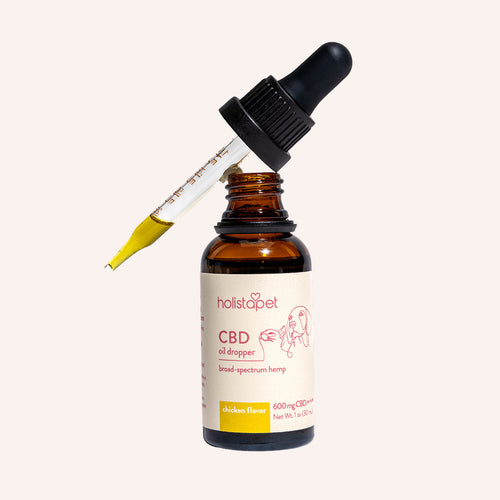 Chicken Flavored CBD Oil For Dogs - Easy Dose
 Salmon Flavored CBD Oil For Dogs - Highly Rated
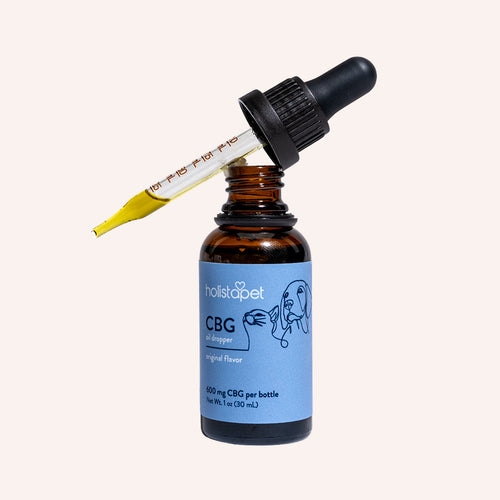 CBG Oil for Dogs and Cats - Loved by Thousands










Leave a comment
All comments are moderated before being published.
This site is protected by hCaptcha and the hCaptcha Privacy Policy and Terms of Service apply.