


An older dog that stops eating needs immediate attention. Aging affects appetite, smell, and digestion, which makes regular food less appealing. The right food choices, along with the best CBD products, can help restore interest and support overall health and well-being.
Why is My Elderly Dog Not Eating?

Older dogs often stop eating due to age-related changes or underlying health issues. Loss of appetite usually signals a problem that needs attention, not just picky behavior.
Dental Pain or Oral Issues
Tooth decay, gum disease, or loose teeth can make chewing painful. Many senior dogs avoid food because eating hurts. The American Veterinary Dental College notes that dental disease affects most dogs over age three, and the risk increases with age. Soft or moist food often helps in this case.
Reduced Sense of Smell and Taste
Aging weakens a dog’s sense of smell, which plays a major role in appetite. Food that once seemed appealing may no longer attract interest. Slightly warming meals can release aroma and improve acceptance.
Digestive Changes
An older digestive system works less efficiently. This can lead to nausea, slower digestion, or discomfort after eating. Research published in the Journal of Animal Physiology and Animal Nutrition shows that senior dogs process nutrients differently, which can affect hunger signals.
Chronic Illness
Conditions such as kidney disease, liver problems, or cancer often reduce appetite. According to the American Kennel Club, loss of appetite stands as one of the earliest signs of chronic illness in senior dogs. Veterinary evaluation becomes essential in these cases.
Medication Side Effects
Some medications cause nausea or suppress appetite. Pain relievers, antibiotics, and certain long term treatments may lead to food refusal. A vet can adjust dosage or suggest alternatives.
Cognitive Decline
Cognitive dysfunction in older dogs can affect daily habits, including eating. Dogs may forget mealtime routines or show less interest in food. Veterinary behavior research suggests this condition may involve brain changes similar to those seen in human dementia, though diagnostic criteria and progression vary across individual dogs.
Stress or Environmental Changes
Changes in routine, new pets, or a different feeding area can disrupt eating habits. Older dogs rely heavily on familiarity, so even small changes can reduce appetite. Keeping a consistent routine often improves food intake.
What Do I Feed My Older Dog That Won’t Eat?

An older dog that refuses food needs softer, more appealing, and easy to digest options right away. The goal is to encourage eating while supporting aging health needs.
1. Warmed Wet Dog Food
Soft texture and stronger smell make this a top choice for senior dogs. Brands like Hill's Science Diet Adult 7+ and Royal Canin Aging 12+ offer formulas specifically calibrated for reduced-calorie needs and kidney support in older dogs.
-
Easier to chew and swallow
-
Warming enhances aroma and triggers appetite
- Higher moisture supports hydration
Veterinarians often recommend wet food for seniors because it raises palatability and boosts fluid intake, according to guidance from the American Kennel Club.
2. Homemade Bland Meals
Simple, gentle foods can help when regular meals fail.
-
Boiled chicken with no seasoning
-
Plain white rice or mashed sweet potato
- Lean ground turkey
These foods reduce digestive strain and appeal to dogs with sensitive stomachs. Veterinary nutritionists commonly use bland diets during appetite loss due to their digestibility.
3. Bone Broth or Food Toppers
Adding flavor can quickly spark interest in eating.
-
Low sodium bone broth poured over meals
-
Small amounts of shredded meat
- Commercial appetite stimulants as toppers
Bone broth may supply amino acids and minerals that support joint and gut health, and the strong aroma can encourage intake in dogs with reduced appetite, though pet owners should choose low-sodium, onion-free versions to avoid toxicity.
4. Senior Specific Dog Formulas
These formulas target age-related nutritional needs. Purina Pro Plan Bright Mind Adult 7+ uses enhanced botanical oils and EPA to support cognitive function, while Blue Buffalo Life Protection Senior adds glucosamine for joint support.
-
Adjusted protein levels to support muscle
-
Added fiber for digestion
- Enhanced vitamins for immunity
Research in veterinary nutrition shows senior diets improve nutrient absorption and overall condition in aging dogs, especially when appetite declines.
5. Softened Dry Food
A simple change in texture can make dry food more acceptable.
-
Soak kibble in warm water or broth
-
Let it soften before serving
- Mix with wet food for variety
This option maintains familiar food while reducing chewing effort.
6. High Calorie Recovery Foods
When a senior dog's intake stays low due to nausea, illness, or post-surgery recovery, high-calorie recovery food delivers the protein and fat needed to prevent muscle wasting without requiring large meal volumes the dog may refuse.
- Prescription recovery diets (such as Hill's a/d Critical Care or Royal Canin Recovery RS).
- Calorie-rich canned formulas for weight maintenance.
- Vet-approved supplements like Nutra-Cal for rapid caloric support.
Clinical veterinary studies confirm that recovery diets deliver more energy per portion, which helps dogs with reduced appetite maintain body weight during illness.
7. Hand Feeding or Smaller Portions
Senior dogs with cognitive decline or anxiety may refuse food from a bowl but accept the same food from a familiar hand. The direct contact reduces mealtime stress and reestablishes a positive feeding association broken by illness or routine disruption.
-
Offer small meals more often
-
Hand feed to encourage interest
- Feed in a quiet, comfortable space
Behavioral research shows that increased interaction during feeding can improve appetite in older dogs.
Related Post: Magnesium for Dogs: Sources, Benefits, & More
How Can I Help Increase My Senior Dog’s Appetite?

An older dog with a low appetite needs simple, targeted changes that make food more appealing and easier to consume. Small adjustments can quickly improve eating habits and overall health.
|
Strategy |
Why It Helps |
Simple Action |
|
Enhance aroma and texture |
Stimulates interest in food |
Mix textures; rotate protein sources weekly |
|
Maintain consistent routine |
Regulates hunger signals |
Feed at the same times daily |
|
Reduce stress |
Prevents appetite suppression |
Create a calm feeding space |
|
Support ECS with CBD |
Helps regulate appetite and comfort |
Use CBD oil or chews from Holistapet |
|
Manage discomfort |
Removes barriers to eating |
Seek veterinary guidance |
|
Add light activity |
Encourages natural hunger |
Short daily walks |
Improve Food Aroma and Texture
- Enhancing smell and softness can trigger interest in meals.
- Mix textures by combining wet and dry food, and add low-sodium broth to increase palatability. Offering variety prevents habituation, where a dog loses interest in repetitive meals.
- Dogs rely heavily on scent, and studies in animal behavior confirm that stronger food aroma increases feeding response.
Adjust Feeding Routine
Consistency and timing play a major role in appetite.
-
Serve meals at the same time each day
-
Offer smaller portions more frequently
- Remove uneaten food after 15 to 20 minutes
Routine helps regulate hunger signals and encourages better eating patterns.
Reduce Stress During Mealtime
A calm environment helps dogs focus on eating.
-
Feed in a quiet, familiar space
-
Keep other pets away during meals
- Avoid sudden changes in feeding areas
Support the Endocannabinoid System
The endocannabinoid system helps regulate appetite, mood, and overall balance in the body.
-
CBD may interact with ECS receptors that influence hunger and comfort. Some users report that CBD supports calmer behavior around mealtimes, though research in veterinary contexts remains preliminary and owners should consult a veterinarian before starting CBD supplementation.
- It supports calm behavior, which can improve feeding habits
A review published in Frontiers in Veterinary Science highlights how cannabinoids may support appetite and well being in animals through ECS interaction.
Some pet brands offer broad-spectrum CBD products designed to support balance in senior dogs. Options like CBD oil or soft chews can fit easily into daily routines without disrupting feeding habits.
Address Underlying Discomfort
Pain or internal discomfort often reduces food intake.
-
Watch for signs like lethargy or restlessness
-
Consult a veterinarian for proper diagnosis
- Use supportive care strategies when needed
The American Veterinary Medical Association emphasizes that appetite loss often links to discomfort or illness that requires attention.
Encourage Gentle Physical Activity
Light movement can stimulate hunger naturally.
-
Short walks or slow play sessions
-
Low impact activities suited for seniors
- Consistent daily movement
Physical activity helps regulate metabolism and can improve appetite over time.
How Much Should a Senior Dog Eat?

A senior dog should eat based on weight, activity level, and overall health, not just age. Most older dogs need fewer calories due to slower metabolism, but they still require high quality nutrients to maintain muscle and support organ function.
Veterinarians often recommend feeding about 2 to 3 percent of body weight per day, then adjusting portions based on weight changes and appetite. Regular monitoring helps ensure the dog stays at a healthy weight without overfeeding or underfeeding.
Feed Your Elderly Dog the Right Meals
An older dog that refuses food needs quick action and the right approach. Adjust food, improve feeding habits, and address any health concerns early to help restore appetite and maintain overall well-being.
Frequently Asked Questions
When should concern about a senior dog not eating arise?
Contact a veterinarian if your dog skips meals for more than 24 hours or shows signs like weight loss, vomiting, or lethargy. Immediate veterinary attention helps prevent complications.
Can dehydration affect a senior dog’s appetite?
Yes. Dehydration can reduce hunger and energy levels. Ensure constant access to fresh water and consider moisture rich foods to support hydration.
Is it safe to switch foods quickly for an older dog?
Sudden changes can upset digestion. Gradually introduce new food over several days to avoid stomach issues and improve acceptance.
Do temperature changes affect a dog’s willingness to eat?
Yes. Senior dogs often reject cold food because their reduced sense of smell cannot detect low-temperature aroma. Food served at roughly body temperature (around 37°C / 99°F) activates scent compounds most effectively.
Can supplements help improve appetite in older dogs?
Some supplements support appetite and digestion, especially those with omega fatty acids or probiotics. A veterinarian should guide proper use.
Should treats replace meals if a senior dog refuses food?
No. Treats can create imbalance and reinforce picky behavior. Use them sparingly and focus on balanced, nutrient dense meals.
 CBD Oil for Dogs - Fast Acting
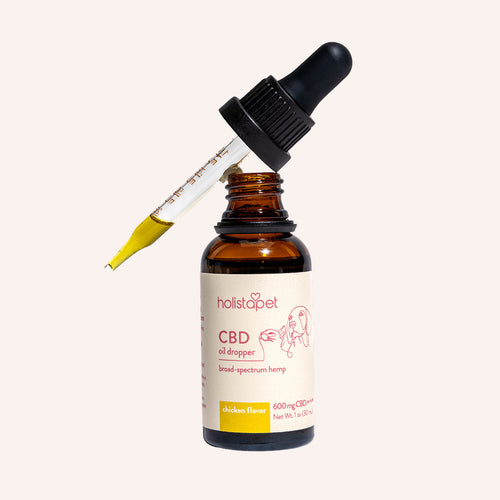 Chicken Flavored CBD Oil For Dogs - Easy Dose
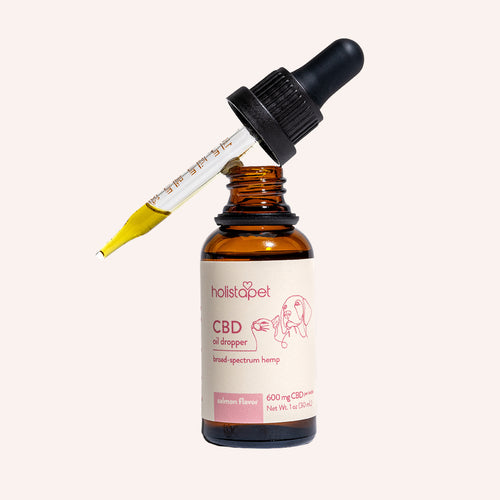 Salmon Flavored CBD Oil For Dogs - Highly Rated
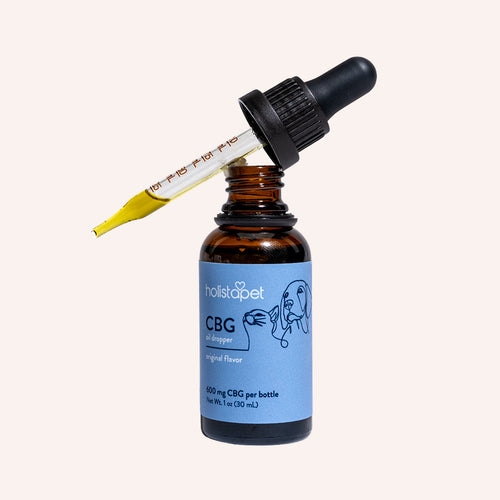 CBG Oil for Dogs and Cats - Loved by Thousands









Leave a comment
All comments are moderated before being published.
This site is protected by hCaptcha and the hCaptcha Privacy Policy and Terms of Service apply.