


Dry heaving in dogs happens when a dog tries to vomit but nothing comes out. Several issues can trigger it, including stomach irritation, throat problems, eating too fast, or more serious conditions.
Understanding the common causes helps dog owners respond quickly and know when veterinary care is necessary.
Why Do Dogs Dry Heave?

Dogs dry heave when the body tries to vomit but nothing comes out. Irritation in the stomach, throat, or airways often triggers this reflex. Mild issues cause many cases, yet some medical conditions can also lead to repeated retching.
Common Reasons
1. Eating Too Fast
Dogs that eat quickly often swallow excess air, which irritates the stomach and triggers gagging.
-
Rapid eating leads to air buildup in the stomach
-
The body reacts with retching to release pressure
- Slow feeder bowls can help reduce the problem
2. Minor Stomach Irritation
Digestive upset can trigger the vomiting reflex even when the stomach stays empty.
-
Dogs may eat grass, spoiled food, or unfamiliar items
-
The stomach lining becomes irritated
- The body attempts to remove the irritant
The American Kennel Club notes that mild gastrointestinal irritation often leads to temporary gagging or retching in dogs.
3. Hair, Grass, or Debris in the Throat
Small materials can irritate the throat and trigger dry heaving.
-
Grass blades may stick in the throat
-
Fur or debris can activate the gag reflex
- Dogs may swallow repeatedly or cough
4. Post Exercise Retching
Heavy activity can sometimes lead to temporary dry heaving.
-
Rapid breathing increases air intake
-
Air in the stomach creates pressure
- Retching often stops after the dog rests
Concerning Reasons
5. Kennel Cough
This contagious respiratory infection often causes gagging that sounds like dry heaving.
-
Dogs develop a loud hacking cough
-
Retching may follow coughing episodes
- Exposure to other dogs increases risk
The American Veterinary Medical Association reports that kennel cough often causes a dry cough followed by gagging or retching.
6. Bloat or Gastric Dilatation Volvulus
Bloat remains a medical emergency and a serious cause of dry heaving.
-
The stomach fills with gas and twists
-
Dogs repeatedly attempt to vomit without producing anything
- The abdomen may appear swollen or tight
Research from Purdue University College of Veterinary Medicine identifies unproductive retching as an early warning sign of gastric dilatation volvulus.
7. Foreign Object Obstruction
Dogs sometimes swallow objects that block the digestive system.
-
Toys, bones, or household items may become lodged
-
The stomach tries to expel the obstruction
- Dogs may drool or refuse food
8. Respiratory or Heart Disease
Some underlying diseases affect breathing and trigger gagging.
-
Airway irritation can activate the gag reflex
-
Dogs may cough frequently
- Breathing may appear strained
Veterinary experts at Cornell University explain that certain heart and lung conditions can trigger coughing that leads to gagging or retching.
Related Post: Why Is My Dog Coughing? [Home Remedies for Dog Cough]
When Do I Contact the Vet for Dog Dry Heaving?

Frequent or intense episodes often signal a medical problem that needs veterinary care. Watch for warning signs that require prompt attention.
-
Repeated dry heaving with nothing coming out
-
Swollen or hard abdomen
-
Trouble breathing or constant coughing
-
Weakness, lethargy, or collapse
-
Excess drooling or visible discomfort
- Refusal to eat or drink
Act quickly if a dog may have swallowed a foreign object.
-
Persistent gagging or choking
-
Pawing at the mouth
-
Signs of pain or agitation
-
Continued vomiting attempts
A veterinarian can examine the dog, identify the cause, and start treatment quickly. Early care reduces the risk of serious complications.
Related Post: Why Is My Dog Coughing? [Home Remedies for Dog Cough]
What are the Common Tests for Canine Dry Heaving?
Veterinarians run several diagnostic tests to identify the cause of dry heaving. The exam usually starts with a physical check and medical history, followed by lab tests or imaging if symptoms continue or worsen.
|
Test |
What the Vet Checks |
Why It Helps |
|
Physical Examination |
Heart, lungs, throat, abdomen, hydration, and vital signs |
Detects swelling, breathing issues, throat irritation, or abdominal pain that may trigger dry heaving |
|
Blood Tests (CBC and Chemistry Panel) |
Infection markers, organ function, inflammation, and electrolyte levels |
Identifies infections, pancreatitis, toxin exposure, or metabolic issues |
|
X Rays (Radiographs) |
Chest, stomach, lungs, and digestive organs |
Helps detect bloat, foreign objects, pneumonia, or airway problems |
|
Ultrasound |
Internal organs such as the stomach, liver, and intestines |
Provides detailed images to identify blockages, fluid buildup, or organ abnormalities |
|
Tracheal Wash or Airway Sampling |
Mucus and cell samples from the airways |
Detects respiratory infections, inflammation, or certain diseases affecting breathing |
|
PCR or Pathogen Testing |
Specific viruses or bacteria |
Confirms infections such as Bordetella linked to kennel cough |
|
Endoscopy |
Camera inserted into the throat or stomach |
Allows vets to locate foreign objects, irritation, or structural problems |
See All Holistapet's Calming Options for Dogs
How Can I Help My Dog’s Dry Heaving at Home?

Mild dry heaving sometimes improves with simple care at home. Focus on reducing stomach irritation, slowing eating, and monitoring symptoms.
Let the Stomach Settle
A short break from food can calm stomach irritation.
-
Pause food for 8 to 12 hours if the dog recently retched
-
Offer small amounts of fresh water to prevent dehydration
- Reintroduce food in small portions
The American Kennel Club notes that short fasting periods often help dogs recover from mild digestive upset.
Feed Small and Slow Meals
Fast eating often triggers air buildup and stomach pressure.
-
Serve smaller meals more frequently
-
Use a slow feeder bowl
- Avoid fatty foods or table scraps
Controlled feeding reduces swallowed air and digestive strain.
Keep the Dog Calm and Rested
Rest helps the stomach and respiratory system recover.
-
Provide a quiet resting area
-
Limit intense activity
- Avoid exercise after meals
Check the Mouth and Throat
Grass or small debris can trigger gagging.
-
Look for grass, sticks, or foreign material
-
Watch for repeated swallowing
- Remove visible debris carefully if safe
Persistent gagging still requires veterinary evaluation.
Support Comfort with CBD
Some dogs dry heave due to stress, inflammation, or digestive discomfort. Hemp-derived CBD may support relaxation and stomach comfort.
-
May help regulate stress responses
-
May support inflammatory balance
- May help calm anxious dogs
Research published in Frontiers in Veterinary Science reports that cannabidiol may influence stress and inflammatory responses in dogs.
Some pet owners choose CBD products formulated for dogs, including options offered by brands such as Holistapet, to support relaxation during stressful situations. Pet specific CBD formulas from companies such as Holistapet provide controlled cannabinoid concentrations designed for canine stress support.
Monitor Symptoms
Observation helps identify when a problem needs medical care.
-
Track how often dry heaving occurs
-
Watch for coughing, swelling, or lethargy
- Monitor appetite and water intake
Contact a veterinarian if symptoms continue or worsen.
View All Holistapet Dog Home Remedy Blogs
Deal with Dog Dry Heaving the Right Way
Dry heaving in dogs can result from minor stomach irritation, fast eating, or more serious health conditions. Quick observation and simple care may help in mild cases. Persistent retching or additional symptoms require veterinary attention to prevent complications.
Continue Reading: How To Treat A Limping Dog At Home
Frequently Asked Questions
Can dehydration cause dry heaving in dogs?
Yes. Dehydration can irritate the stomach and throat, which may trigger gagging or retching. Dogs that drink very little or lose fluids from vomiting or diarrhea may show this symptom.
Can anxiety trigger dry heaving in dogs?
Yes. Stress and anxiety can upset a dog’s stomach and stimulate the gag reflex. Some dogs retch during stressful situations such as travel, loud environments, or separation.
Do certain dog breeds dry heave more often?
Yes. Large deep chested breeds such as Great Danes, German Shepherds, and Standard Poodles face a higher risk of bloat, which can cause repeated dry heaving.
Can allergies cause dry heaving in dogs?
Yes. Environmental or food allergies can irritate the throat and airways. This irritation may lead to coughing or gagging that looks like dry heaving.
Is dry heaving after drinking water normal for dogs?
It can happen if a dog drinks too quickly and swallows excess air. Occasional episodes usually resolve quickly, but frequent retching should prompt a veterinary check.
 CBD Oil for Dogs - Fast Acting
 Chicken Flavored CBD Oil For Dogs - Easy Dose
 Salmon Flavored CBD Oil For Dogs - Highly Rated
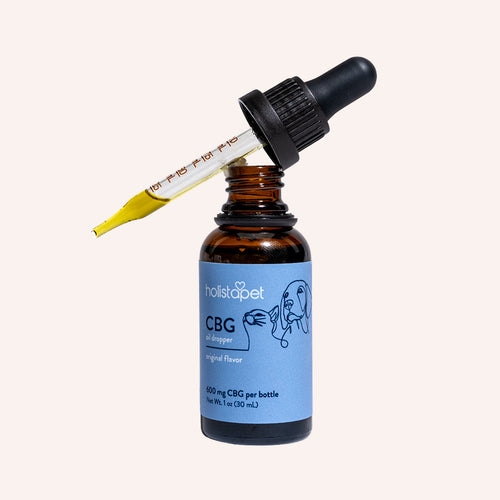 CBG Oil for Dogs and Cats - Loved by Thousands











1 comment
Vicki
Thank you the advice given has been very helpful to help my very muched love dog Penny
Leave a comment
All comments are moderated before being published.
This site is protected by hCaptcha and the hCaptcha Privacy Policy and Terms of Service apply.