


The right ingredients and preparation methods make homemade dog treats last longer than store-bought options. Many dog owners struggle with treats that spoil too fast or lack nutrition.
This guide shows how to create durable, healthy options that stay fresh while keeping dogs excited for every bite.
Are Home Made Treats Better for Dogs?

Homemade treats often provide better nutrition than many store bought options. Many commercial products pack fillers and preservatives that deliver little nutritional value. Home preparation puts full control over ingredients in the owner's hands, producing safer and more intentional feeding.
Tufts University's Cummings School of Veterinary Medicine advises that whole-food ingredients support healthy digestion and reduce unnecessary additive exposure — a key reason home preparation gives owners a meaningful nutritional edge.
They also allow easy adjustments for allergies, sensitivities, and weight control.
Key benefits:
-
Higher quality ingredients like real meat and vegetables
-
Full control over additives, salt, and sugar
-
Custom recipes for specific health needs
-
Fresher treats with better taste and nutrients
- Lower cost with simple ingredients
American Kennel Club confirms that whole-food ingredients deliver the most nutritional value, and that simple, minimally processed treats fit well into a balanced feeding routine. With these benefits in mind, the next step focuses on making treats that last longer without losing quality.
What are the Ideal Ingredients for Homemade Dog Treats?
The best homemade dog treats use simple, nutrient dense ingredients that support health and extend shelf life. Focus on whole foods that provide protein, fiber, and natural preservation.
-
Lean meats: Chicken, beef, or turkey for high quality protein and flavor.
-
Whole grains: Oats or brown rice for fiber and sustained energy.
-
Pumpkin and sweet potato: Rich in fiber and help with digestion.
-
Eggs: Bind ingredients and add protein and essential nutrients.
-
Peanut butter: Adds taste and healthy fats. Always choose xylitol-free, the FDA confirms xylitol triggers rapid insulin release in dogs and can be fatal.
-
Bone broth: Enhances flavor and provides minerals.
-
Coconut oil: Supports skin health and adds mild natural preservation.
- Apples and carrots: Add vitamins and natural sweetness without added sugar.
What are the Best Recipes for Home Made Dog Treats?

The best homemade dog treat recipes use simple ingredients and methods that improve shelf life while keeping dogs interested. Popular choices rely on baking, dehydrating, or freezing for longer storage.
1. Peanut Butter Pumpkin Biscuits
Natural peanut butter (xylitol-free, see ingredients guide above)
2. Chicken and Sweet Potato Chews
This recipe produces dense treats with low moisture, which helps extend shelf life.
Ingredients:
-
Cooked chicken
- Sweet potato
Instructions:
Step #1: Preheat oven to 250°F.
Step #2: Slice sweet potatoes thin.
Step #3: Combine with shredded chicken.
Step #4: Bake for 2 to 3 hours until dry.
3. Frozen Peanut Butter Banana Treats
This option creates soft treats that last for months when stored in the freezer.
Ingredients:
-
Peanut butter
- Banana
- Plain yogurt
Instructions:
Step #1: Blend all ingredients until smooth.
Step #2: Pour into molds.
Step #3: Freeze for several hours until solid.
Step #4: Store in freezer safe containers.
CBD option: Mix a small amount of dog safe CBD oil into the blend before freezing to support calm behavior. Holistapet offers CBD products formulated for dogs that may help with stress and overall wellness.
CBD option: Stir a small amount of dog-safe CBD oil into the blend before freezing. Holistapet's CBD oil for dogs uses broad-spectrum hemp extract with zero THC and no artificial additives — making it one of the cleaner options to blend into frozen treats. Users report it may assist with stress and situational anxiety, particularly for dogs sensitive to loud noises or travel. Always confirm the product is xylitol-free and consult your vet on dosage before adding any supplement to your dog's diet.
4. Simple Three Ingredient Dog Biscuits
This quick recipe produces firm treats that work well for everyday rewards.
Ingredients:
-
Flour
-
Peanut butter
- Eggs
Instructions:
Step #1: Mix all ingredients until combined.
Step #2: Add small amounts of water if needed.
Step #3: Roll into dough and cut shapes.
Step #4: Bake at 350°F for about 20 minutes.
5. Dehydrated Sweet Potato Slices
This method creates one of the longest lasting treats with a single ingredient.
Ingredients:
-
Sweet potatoes
Instructions:
Step #1: Slice sweet potatoes thin and evenly.
Step #2: Place on a tray or dehydrator rack.
Step #3: Dry at low heat for several hours until chewy or crisp.
Step #4: Cool completely before storing.
What are the Best Storage Options for Home Made Treats?

Proper storage keeps homemade dog treats fresh, safe, and long lasting. The right method depends on moisture level and ingredients used.
|
Storage Method |
Best For |
Shelf Life |
Key Benefit |
|
Airtight container |
Dry baked treats |
1 to 2 weeks |
Easy and accessible |
|
Refrigerator |
Soft or moist treats |
Up to 1 week |
Slows bacterial growth |
|
Freezer |
All treat types |
1 to 3 months |
Longest preservation method |
|
Glass jar |
Crunchy treats |
1 to 2 weeks |
Maintains texture |
|
Vacuum sealing |
Bulk storage |
2 to 4 weeks |
Extends shelf life |
|
Dehydrated storage |
Low moisture treats |
Several weeks |
Prevents mold and spoilage |
How Do I Make Home Made Treats Last Longer?
Making homemade dog treats last longer comes down to reducing moisture, using proper storage, and choosing the right preparation methods.
Use Low Moisture Cooking Methods
Lower moisture slows spoilage and prevents mold growth.
-
Bake treats longer at low heat to remove excess moisture
-
Dehydrate ingredients to extend shelf life
- Avoid undercooking soft treats
USDA research shows that lowering water activity cuts off the moisture microbes need to multiply, directly extending how long a treat stays safe."
Choose Natural Preserving Ingredients
Some ingredients help slow oxidation and spoilage.
-
Add vitamin E rich oils like coconut oil
-
Use ingredients with natural antioxidants such as pumpkin
- Include eggs for structure and longer durability
These choices help maintain freshness without artificial preservatives.
Store Treats Based on Texture
Different textures require specific storage to stay safe.
-
Keep crunchy treats in sealed containers at room temperature
-
Refrigerate soft treats to prevent bacterial growth
- Freeze extra batches to avoid waste
The FDA recommends storing dry pet treats below 80°F and refrigerating any moist items promptly to prevent bacterial growth.
Control Portion Size and Batch Quantity
Smaller batches reduce the risk of spoilage.
-
Make treats in weekly portions
-
Store extras separately to avoid repeated exposure to air
- Label batches with preparation dates
This approach keeps treats fresh and easier to manage.
Handle Treats Properly After Cooking
Post preparation handling affects longevity.
-
Cool treats completely before storing
-
Avoid trapping heat inside containers
- Use clean, dry hands or tools when handling
Proper handling prevents moisture buildup and contamination, which can shorten shelf life.
Keep It Natural With Home Made Treats for Dogs
Homemade dog treats last longer when simple ingredients, low moisture methods, and proper storage work together. With the right approach, dog owners can create healthier treats that stay fresh, safe, and enjoyable for longer.
Frequently Asked Questions
How long should homemade dog treats cool before storage?
Let treats cool for at least one to two hours until completely dry and at room temperature. Storing warm treats can trap moisture and cause spoilage.
Can homemade dog treats go bad without visible signs?
Yes. Bacteria can grow even without mold or odor. Always follow proper storage times and discard treats past their safe window.
Are there ingredients that should always be avoided in homemade treats?
Yes. Avoid chocolate, grapes, raisins, onions, garlic, and anything with xylitol. These ingredients can be toxic to dogs.
How often should dogs eat homemade treats?
Treats should make up no more than ten percent of a dog’s daily calories. This helps maintain a balanced diet and prevents weight gain.
Can homemade treats help with training?
Yes. Smaller, firm treats work well for training since they are easy to handle and do not crumble quickly.
Do homemade treats need preservatives to last longer?
No. Proper cooking methods and storage can extend shelf life without artificial preservatives.
What is the best size for homemade dog treats?
Small to medium pieces work best. They stay fresh longer and allow better portion control during feeding.
 CBD Oil for Dogs - Fast Acting
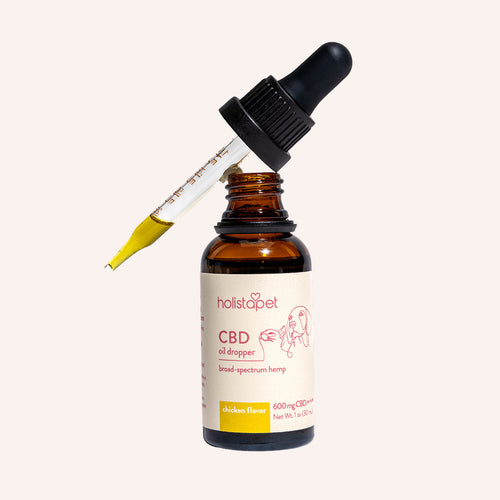 Chicken Flavored CBD Oil For Dogs - Easy Dose
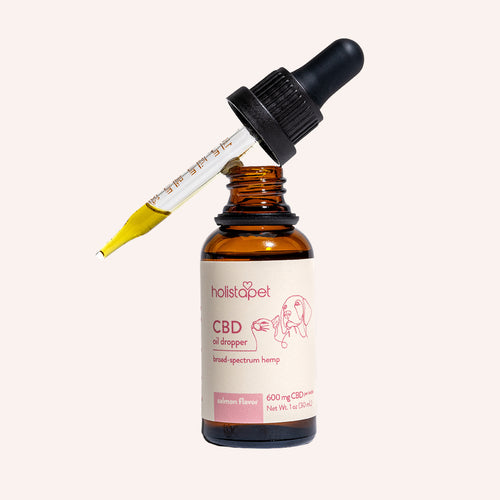 Salmon Flavored CBD Oil For Dogs - Highly Rated
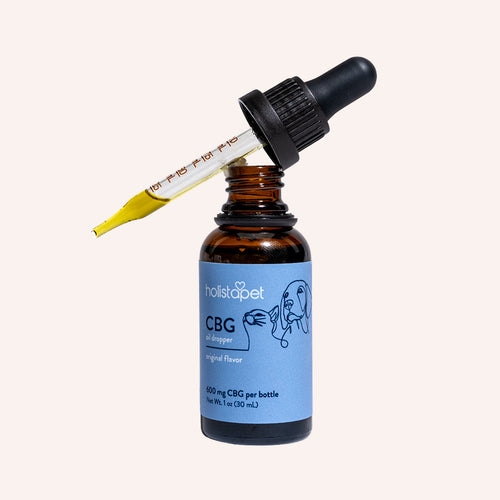 CBG Oil for Dogs and Cats - Loved by Thousands









Leave a comment
All comments are moderated before being published.
This site is protected by hCaptcha and the hCaptcha Privacy Policy and Terms of Service apply.