


When it comes to dog breeds, few spark as much debate and emotion as Pit Bulls. Some people believe they’re aggressive by nature, while others argue they’re simply victims of bad press and irresponsible ownership. So, what’s the truth? Let’s uncover the facts, challenge the myths, and explore what really makes a Pit Bull tick.
 The History Behind the Breed
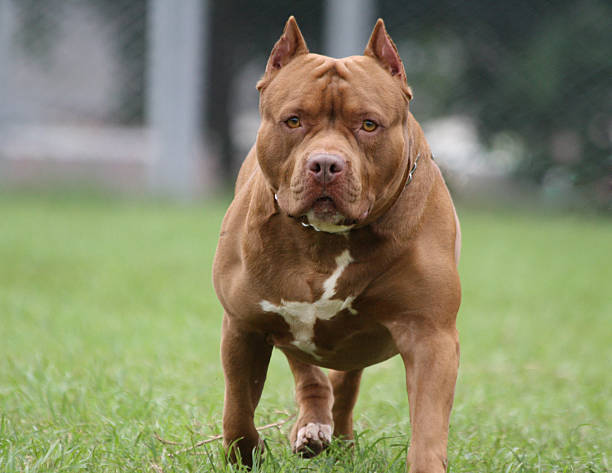
Pit Bulls aren’t a single breed but a group of breeds that include the American Pit Bull Terrier, Staffordshire Bull Terrier, and American Bully. Originally bred in the 19th century for bull-baiting and farm work, these dogs were once known as “nanny dogs” because of their loyalty and gentleness with children.
Over time, however, their strength and protective instincts were misused in illegal dogfighting rings, leading to an undeserved reputation.
Myth vs. Reality: Are Pit Bulls Naturally Aggressive?
One of the most common misconceptions is that Pit Bulls are inherently aggressive. But according to the American Temperament Test Society, Pit Bulls often score better in temperament testing than other popular breeds, including Beagles and Chihuahuas.
Aggression in dogs is more often linked to:
-
Lack of training
-
Poor socialization
-
Abuse or neglect
-
Unethical breeding
The truth? A well-raised Pit Bull is just as likely to be affectionate, playful, and loyal as any other dog.
The Role of Responsible Ownership
Just like any breed, Pit Bulls thrive in environments where they are loved, trained, and exercised properly. Owners should:
-
Use positive reinforcement training
-
Socialize their dog from a young age
-
Provide mental and physical stimulation daily
-
Avoid encouraging aggressive behavior
Breed-specific legislation (BSL) has tried to control Pit Bulls by banning them outright in some areas, but most experts agree that education and responsible pet ownership are far more effective than breed bans.
 Frequently Asked Questions
Are Pit Bulls good family dogs?
Yes! With proper training and socialization, Pit Bulls can be gentle, protective, and affectionate companions, especially with children.
Do Pit Bulls have “locking jaws”?
No. This is a myth. There is no physiological mechanism that allows any dog’s jaws to lock.
Why do some people fear Pit Bulls?
Media portrayals, fear-based policies, and isolated incidents have led to the demonization of the breed. Education is key to changing public perception.
Are Pit Bulls more dangerous than other breeds?
Not inherently. Behavior is shaped by environment and training, not just genetics.
Can Pit Bulls get along with other dogs?
They can, especially if socialized properly. However, like many breeds, they may have a strong prey drive or dominant personality that needs to be managed.
Helpful Notes
-
Adopt, don’t shop: Many Pit Bulls in shelters are loving and well-behaved, simply waiting for a second chance.
-
Check local laws: Some regions have restrictions on owning Pit Bulls.
-
Invest in training: Early obedience classes can make a huge difference in your dog's behavior.
-
Be an advocate: Help change the stigma by being a responsible owner and educating others.
Final Thoughts
Pit Bulls are not monsters. They’re dogs—smart, strong, loyal, and loving when given the chance. The stigma surrounding them says more about human behavior than canine nature. If you're considering adopting a Pit Bull, don’t let fear cloud your judgment. Do your research, ask questions, and remember: any dog can be dangerous in the wrong hands, and any dog can be amazing in the right ones.







Leave a comment
All comments are moderated before being published.
This site is protected by hCaptcha and the hCaptcha Privacy Policy and Terms of Service apply.