

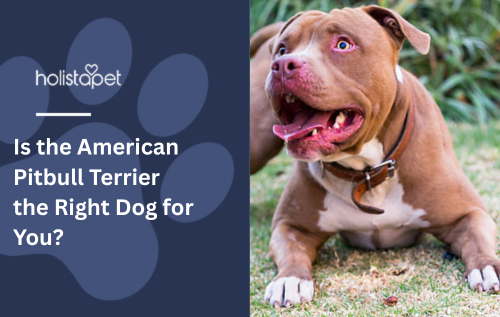
The American Pitbull Terrier often sparks curiosity, admiration, and controversy. Known for their strength, loyalty, and high energy, this breed has become one of the most talked-about dogs in the world. But is an American Pitbull Terrier the right match for your lifestyle? In this post, we’ll explore everything you need to know—from temperament and training to common misconceptions.
 Understanding the American Pitbull Terrier
The American Pitbull Terrier, often simply called a Pitbull, is a medium-sized breed originally developed for dog sports and farm work. Despite their muscular build and intimidating appearance, these dogs are incredibly affectionate and people-oriented.
Key Traits:
-
Height: 17 to 21 inches
-
Weight: 30 to 60 pounds
-
Lifespan: 12 to 16 years
-
Temperament: Energetic, loyal, intelligent
-
Coat: Short, smooth, low maintenance
This breed thrives on human interaction and tends to form strong bonds with their owners. They do best in active households that can provide daily exercise and mental stimulation.
Temperament: Beyond the Stereotypes
American Pitbull Terriers often get a bad rap due to media portrayal and outdated myths. In reality, with proper training and socialization, these dogs are:
-
Loving: Great with families and children
-
Smart: Quick learners who enjoy challenges
-
Protective: Naturally alert without being aggressive
-
Social: Thrive when included in daily activities
It’s essential to start obedience training early and be consistent with rules and boundaries. This helps your Pitbull grow into a balanced, well-behaved companion.
Training and Exercise Needs
The American Pitbull Terrier is a working breed with high physical and mental energy. If not channeled correctly, this energy can turn into destructive behavior.
Tips for Success:
-
1-2 hours of exercise daily (walks, fetch, agility)
-
Puzzle toys or scent work to prevent boredom
-
Early and consistent obedience training
-
Socialization with dogs and people from a young age
Pitbulls respond best to positive reinforcement—avoid harsh discipline, which can backfire.
Health Considerations
Pitbulls are generally healthy dogs, but like all breeds, they are prone to some genetic conditions. These include:
-
Hip dysplasia
-
Allergies (especially skin-related)
-
Hypothyroidism
-
Heart disease
Routine vet checkups, proper nutrition, and exercise can help minimize risks and ensure a long, happy life.
 Frequently Asked Questions
Are American Pitbull Terriers good with kids?
Yes! When properly trained and socialized, they are known to be incredibly gentle and affectionate with children. Always supervise interactions between any dog and young kids.
Do Pitbulls make good guard dogs?
They are alert and protective, but not aggressive by nature. They may deter intruders by appearance alone, but they are not naturally suspicious or territorial unless trained that way.
Can Pitbulls live in apartments?
Yes, but they require a lot of physical and mental stimulation. Apartment dwellers should be prepared to commit to long walks, playtime, and interactive training.
Are Pitbulls aggressive by nature?
No. Aggression is not a breed trait; it often stems from poor training, lack of socialization, or abuse. With the right environment, Pitbulls are some of the most loyal and loving dogs you can find.
Final Thoughts
The American Pitbull Terrier is not for everyone—but for the right person, they can be the most loyal and joyful companion you’ll ever have. With the proper time, training, and attention, these misunderstood dogs can thrive in a loving home.
Whether you’re looking for a jogging buddy, a snuggle partner, or a family protector, the American Pitbull Terrier checks all the boxes—as long as you’re ready for the responsibility.
Helpful Notes:
-
Always adopt from reputable breeders or shelters.
-
Get your Pitbull spayed or neutered to reduce behavioral issues and health risks.
-
Make sure your community doesn't have breed-specific legislation (BSL) that affects Pitbulls.
-
Enroll in group training classes to build social skills.
-
Consider dog insurance to manage potential health costs.
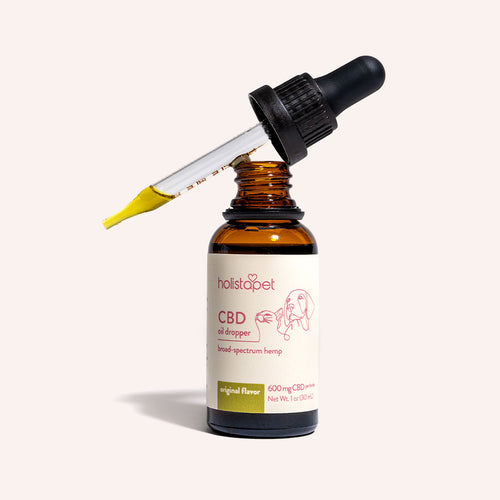 CBD Oil for Dogs - Fast Acting
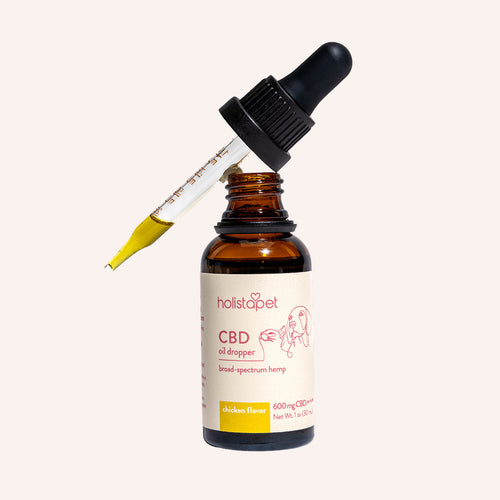 Chicken Flavored CBD Oil For Dogs - Easy Dose
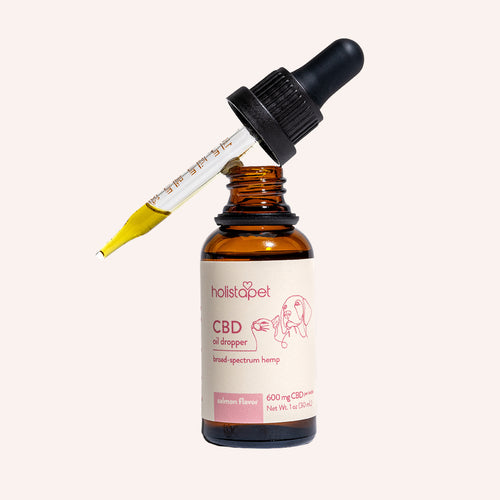 Salmon Flavored CBD Oil For Dogs - Highly Rated
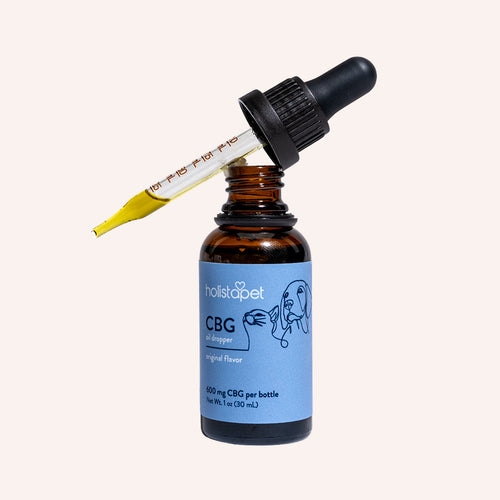 CBG Oil for Dogs and Cats - Loved by Thousands










Leave a comment
All comments are moderated before being published.
This site is protected by hCaptcha and the hCaptcha Privacy Policy and Terms of Service apply.