

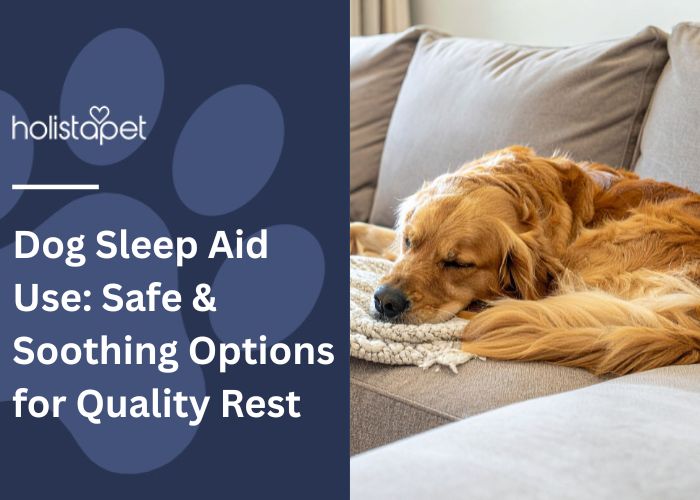
If your pup's been pacing the floor all night, it's time to talk about dog sleep aids that actually work. No more tossing, turning, and toe beans tapping across the tile at 2 a.m. Sleep disorders aren't just a human thing. Our furry friends deal with them, too, leading to sleepless nights and cranky canine behavior.
That's where dog-friendly, soothing products can help. You don't need magic; you just need the right calming solutions for better zzz's. Let's discuss options so you can give your dog the best, safest sleep support they deserve.
Why Some Dogs Struggle With Sleep

Some pups can't seem to settle down. If your dog isn't sleeping well, there's probably a reason behind those restless nights. It's not just age or random zoomie; there are real causes behind the tossing, turning, and tail-thumping at midnight. Here's what might be keeping your pet up at night:
- Fear of Being Alone. Dogs can get upset when left by themselves, especially at night. Separation anxiety can lead to pacing, whining, and poor sleep.
- Aging and Forgetfulness. Older dogs can suffer senior moments and forget things, causing confusion and nighttime wandering.
- Noisy Environment. Thunderstorms, fireworks, or a noisy neighborhood can cause sleepless nights for pets.
- Discomfort or Aches. Some conditions greatly affect sleep, including osteoarthritis, ear or skin infections, and dental discomfort.
- Lack of Routine. Dogs thrive on structure. A chaotic bedtime routine can cause our canine companions to suffer from sleep deficits.
Common Causes of Restlessness or Nighttime Wakefulness
Some pups struggle to sleep due to boredom or lack of stimulation during the day. Without enough activity, they've got energy to burn when it's time to snooze. Other dogs might feel discomfort from skin blemishes or mobility issues that flare up at night.
And let's not forget the emotional stuff. Worry, changes in routine, and missing their humans can make sleeping tough. When dogs don't feel secure, their rest takes a hit.
Not every pup drifts off to dreamland without a fuss. If your dog isn't sleeping like they used to, it could be more than just a fluke. Nighttime wakefulness can sneak in quietly but quickly become a pattern that keeps everyone up.
How Sleep Deprivation Affects a Dog's Mood and Health
Just like people, dogs need solid rest to recharge. When that doesn't happen, the effects show up fast and loud: pacing, whining, and destructive behavior. A tired dog isn't just grumpy; they're running on empty.
Sleep deficits can seriously affect a pup's mood. A usually chill pup might start acting out or showing anxious behaviors. They might bark more, cling harder, or lose interest in play.
Physically, poor sleep can make dogs sick, thus avoiding complications becomes harder. It weakens their immune system, delays recovery, and messes with hormones. Over time, it's a recipe for a not-so-happy, not-so-healthy pup.
What Are Dog Sleep Aids?

Dog sleep aids are products that help your pup settle down and stay snoozing longer. Think of them as support tools for a better bedtime. These goodies come in many forms, from calming treats to sprays to plug-in diffusers.
A dog-specific sleep aid can help reduce agitation, promote calm, and make bedtime way easier. Some use natural ingredients like herbs, amino acids, and melatonin supplements. Others may be prescription-only and need a vet's approval.
The goal: One extended sleep session without whining, pacing, or paw taps on the hardwood at 3 a.m. Your sleep matters, too, after all!
When To Consider a Sleep Aid for Your Dog
If your dog isn't sleeping and it's turning your nights upside down, it might be time to consider a sleep aid. Occasional restlessness is one thing. But if your pup's tossing and turning like it's a sport, something's up.
Sleep aids can help during changes in routine, travel, thunderstorms, or separation anxiety. They're also helpful for senior dogs who have a hard time settling due to forgetfulness or discomfort. If you've already tried calming routines, exercise, and white noise—and your dog's still wired—it's worth asking your veterinarian if a dog-friendly sleep aid could help.
Signs Your Dog May Benefit From a Sleep Aid
Not sure if your dog needs help getting some shut-eye? Look for the signs. When your pup starts acting out, or their usual bedtime routine goes haywire, they may need a little sleepy-time boost. Here's what to watch for:
- Pacing and Restlessness. Constant movement at night is a red flag. Your dog should be snoozing, not doing laps.
- Whining and Destructive Behavior. These are big clues your dog feels upset or unsettled and can't relax.
- Sudden Sleep Deficits. If your pup starts sleeping less or wakes up often, something's off.
- Fear During Storms or Loneliness. Thunderstorms or fear of being alone can mess with their sleep rhythm.
- Decline in Senior Dogs. Older pups may wake frequently or seem disoriented at night. That's a sign they need extra support.
Natural Dog Sleep Aids: OTC Options
You don't always need prescription medication to aid your dog's sleep. Over-the-counter (OTC) options can do wonders, especially for pups needing a gentle nudge toward dreamland. These are the natural, go-to helpers that many pet parents swear by:
- CBD (Cannabidiol) Products. Known for promoting relaxation and calm, CBD can be a game-changer for dogs struggling with nighttime stress.
- Dog-Specific Melatonin. This natural hormone helps regulate sleep cycles and is often well-tolerated by pups.
- Herbal Blends. Chamomile, valerian root, and passionflower offer soothing effects without the grogginess.
- Calming Supplements. These often provide dogs with vitamins, amino acids, and minerals to support rest and help reduce agitation.
- Pheromone Sprays or Diffusers. These mimic natural calming signals and help your pooch feel safe and cozy.
CBD Options for Dogs

CBD is one of the most popular natural sleep aids for dogs, and for good reason. It helps promote calm and relaxation without making your pet groggy or weirdly zoned out. Just chilled-out vibes and smoother nights.
CBD works with your dog's endocannabinoid system (ECS), which plays a big role in mood, rest, and overall balance. A little goes a long way, especially during stressful times like thunderstorms, fireworks, or those lonely nights.
HolistaPet offers a range of CBD goodies made just for dogs. We've got CBD Dog Treats for Anxiety, Calming CBD Chews, Broad-Spectrum CBD Oil, and CBD Capsules crafted to help your dog settle in for a peaceful snooze. Check out our full calming collection and our other all-natural, vegan-friendly, vet-approved, and third-party lab-tested products on our website.
Dog-Specific Melatonin
Melatonin is a natural hormone that helps regulate your dog's internal sleep clock. When given in the right dose, it can gently guide your pup into a more relaxed, snooze-ready state without making them feel drowsy during the day.
Dog-specific melatonin has no weird fillers and no mystery ingredients. It can help with occasional sleep issues, nighttime restlessness, or nervous behaviors caused by loud noises or changes in routine.
HolistaPet's Melatonin Soft Chews for Dogs is a tasty, well-tolerated option that supports rest and promotes natural sleep. With a proprietary blend of calming ingredients like L-theanine, chamomile, passion flower, ashwagandha, tryptophan, valerian root, and more, it's perfect for pups who need extra help winding down.
Herbal Blends and Other Natural Ingredients
If your pup needs help drifting off, herbal blends can work like a charm. These natural sleep aids use plant-based ingredients that support relaxation without the weird side effects.
Look for blends with herbs like chamomile, valerian root, and passionflower. These ingredients help soothe your dog's nerves and create a sense of comfort before bedtime. Some formulas even toss in L-theanine or amino acids to support a stable mood. They're perfect for dogs who get upset by fireworks or changes in routine or need a peaceful reset after a long day.
Synthetic Sleep Aids: Prescription Options
For dogs who really struggle with sleep, a veterinarian may need to prescribe dog sleeping tablets. These are stronger, so pet owners should always give them under a vet's guidance. Some options that can help with sleep stress include acepromazine, fluoxetine, gabapentin, and the following:
- Trazodone. A calming aid that helps ease upset behaviors and supports better sleep.
- Acepromazine. Often used during travel and other stressful events, helping dogs stay relaxed and still.
- Diazepam (Valium). This pill works in dogs to help reduce agitation and support deeper sleep.
- Alprazolam (Xanax). When used as a sleeping pill for dogs, it can help ease fear-based behaviors like noise phobias or separation struggles.
- Gabapentin. Sometimes prescribed when discomfort or puffiness affects sleep. It can promote calm and reduce nighttime wakefulness.
Trazodone
Trazodone is one of the more common prescription sleep aids for dogs. It's usually given to pups dealing with nervous or upset behaviors that mess with sleep. This med doesn't knock them out but helps them chill.
If you want to get dog sleeping tablets for traveling, this may be a good option. It's often used short-term during vet visits, car rides, or stressful situations like thunderstorms. But vets may also suggest it for longer use if your dog isn't sleeping well regularly.
Trazodone works by affecting serotonin, which helps with mood and calmness. It can be a solid first line of treatment for dogs who need help winding down at night without feeling loopy the next day.
Acepromazine
Acepromazine is a prescription sedative used to calm dogs during stressful moments. It can help canines who struggle with sleep due to fear or agitation. Think fireworks, vet visits, grooming days, or long car rides.
This medication works by relaxing the body and slowing things down. It doesn't treat the cause of the behavior but helps reduce the response. That's why some vets recommend it for pets who can't settle down.
Because it's a strong option, you should only use it with a vet's approval. It may not be right for every pet, especially older dogs or those with health concerns.
Diazepam (Valium)
Diazepam, better known as Valium, is a fast-acting medication that can help dogs relax and sleep. It's sometimes prescribed for dogs with serious nighttime restlessness or fear-based behaviors.
This med works by calming the nervous system. It's often used for short-term issues, like travel or loud events, but it can also support dogs who deal with ongoing sleep trouble. It helps take the edge off, but it doesn't zonk them out.
Like all prescription meds, you should only give diazepam under a vet's care. Doses vary, and safety depends on your dog's age and health.
Alprazolam (Xanax)
Alprazolam—yep, that's Xanax—is sometimes used to help dogs chill out and catch some sleep. It's usually given to pups who get worked up during storms, fireworks, or when their favorite human leaves the house.
This medication targets anxious behaviors that mess with the sleep cycle. It helps your pooch feel safer and calmer, making snoozing much easier. But it's not something you hand out without checking in with your vet first.
Xanax isn't meant for every dog. It can interact with other medications or make some pups feel too sleepy. Always follow your vet's guidance.
Are Synthetic Sleep Aids Safe? What To Be Aware Of
Synthetic sleep aids can help your dog rest, but they're not without risks. These meds are powerful, so they should never be a DIY fix. Always chat with your vet before giving anything stronger than calming treats.
Some dogs may handle them well, while others might feel groggy, wobbly, or even more restless. It depends on the dog, the dose, and what else is going on health-wise. Side effects are rare when used properly, but keep an eye out for weird behavior, upset stomach, or changes in energy. If anything feels off, call your vet immediately.
The Use of Sleep Aids for Dogs and Proper Timing

Timing matters when it comes to giving your dog a sleep aid. Too early, and it wears off before bedtime. Too late, and your pup might still be snoozing through breakfast. The goal is one extended sleep session, not a groggy pup all day.
For most products, giving the aid 30 to 60 minutes before bedtime works best. That gives it time to kick in so your dog can settle down naturally. If you're using calming treats or melatonin supplements, the same rule usually applies.
Prescription meds might need a tighter schedule, so follow your vet's advice. And always keep bedtime routines consistent to help your dog sleep well.
What Not To Use as Dog Sleep Aids
If you're tempted to give your pup something from your own medicine cabinet, don't. Not everything labeled "sleep aid"is safe for dogs. Some things that work for humans can make dogs sick. Thus, avoiding complications becomes a top priority.
Many human sleep medications are way too strong for dogs. Essential oils and random home remedies might smell nice but can seriously upset your dog's system. Even natural stuff isn't always safe if it's not made for pets. Stick with products designed for dogs. If in doubt, ask your vet.
Human Sleep Medications To Avoid
Feeding your dog human sleeping tablets? Hard no! Medications made for people can seriously harm our canine friends, even in small amounts. What knocks us out can mess up their whole system.
Some sleeping pills can slow a canine's heart rate or breathing. Others might cause stomach troubles, agitation, or worse. We don't want to scare you, but there are reports of dogs dying from sleeping tablets, so be careful. Dogs given human sleeping tablets by accident need help fast. Call a veterinarian immediately.
Just because human sleeping pills can solve your bedtime problems, don't assume it will work the same way with your furry companion. Get proper advice and stick to dog-specific options made with your pet's safety in mind.
Unsafe Essential Oils and Home Remedies
Just because it's natural doesn't mean it's pet-safe. Essential oils like tea tree, eucalyptus, and lavender can cause skin irritation or stomach troubles in dogs when used incorrectly.
Dogs have super-sensitive noses and different systems than we do. A diffuser that smells soothing to you could make your dog feel queasy or restless. Oils can also linger in the air or on bedding, which means ongoing exposure even after you turn it off. So, skip the sketchy DIY fixes. When in doubt, avoid strong scents and stick with calming aids made just for dogs.
Drowsiness Isn't the Same as Restfulness
Drowsiness can make dogs lie down, but it doesn't always mean they're in that deep, rejuvenating sleep they need. Some products make dogs groggy without actually helping their sleep cycle—including slow-wave sleep, the kind that really restores the body and mind. If your pup wakes up cranky, stiff, or still exhausted, they're not getting the right kind of rest.
That's why a good dog sleep aid should do more than knock them out. It should support better sleep, not just drowsy behavior.
Supporting Better Sleep Without Medication

Sometimes, small changes to a dog's routine can make a huge difference. Think structure, comfort, and a little bedtime magic. Start by making evenings predictable. Dogs love knowing what comes next, especially before bed. A calm routine with light play, a final potty break, and a cozy sleep spot can work wonders.
Try non-medicated helpers, too. White noise machines, calming diffusers, wobble feeders, or lick mats can help ease their mind and settle them down. These gentle changes might be all it takes to help them rest easy.
Create a Calm Bedtime Routine
A peaceful bedtime routine sets the stage for good sleep. When things feel familiar and chill, your pup can unwind without the chaos. Start with light play or a short walk to burn off leftover energy. Then, offer a calming aid like a soft treat or a lick mat to slow them down. Keep lights low and voices softer as bedtime gets closer.
Consistency is key. Doing the same things each night helps your dog's brain say, "Okay, it's time to snooze," instead of, "Party time!"
Use White Noise or Soothing Sounds
A little background hum helps block out sudden noises like cars, neighbors, or that squirrel who never sleeps. It sets a steady vibe that tells your pup it's safe to relax. Soothing sounds like soft music or nature tracks can help some dogs settle even faster. It's all about distraction and comfort.
If your dog gets jumpy over every creak or distant bark, gentle audio can help keep their focus calm and steady. Just make sure the volume's low and the vibe is mellow.
Provide a Cozy, Stress-Free Sleeping Space
A cozy, stress-free sleeping space can make the difference between a restless night and deep, dreamy rest. Use a bed that supports their body, especially for older dogs with mobility issues. Add familiar blankets or toys that smell like home. That comfort helps them feel safe enough to let their guard down.
Keep their space away from noise, foot traffic, and bright lights. Plug-in diffusers, collars, or sprays can also help create a peaceful vibe. If your dog feels secure, sleep will follow.
Final Thoughts on Dog Sleep Aids
Helping your dog get solid sleep doesn't have to be scary or complicated. Whether you go natural or need a little extra help from your vet, there's a sleep aid out there that fits your pup's needs. From calming treats to prescription solutions, the key is finding what works safely and consistently. Pay attention to your dog's habits, talk to your vet, and don't be afraid to try a few bedtime tweaks.
If you're looking for gentle, vet-approved options, HolistaPet's got your back. Sweet dreams, fur fam!
Find more on dog care here.
 CBD Oil for Dogs - Fast Acting
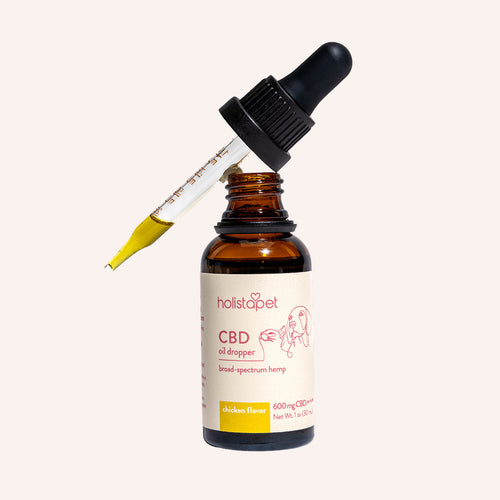 Chicken Flavored CBD Oil For Dogs - Easy Dose
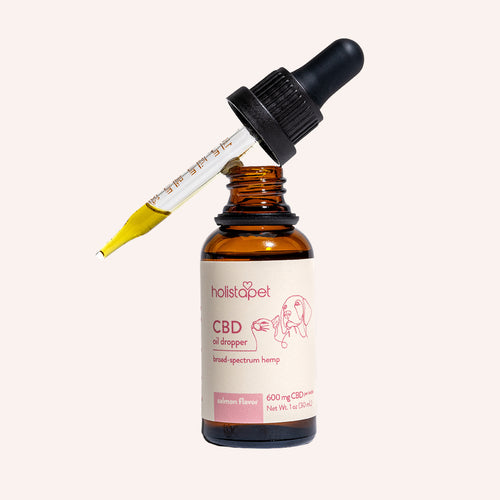 Salmon Flavored CBD Oil For Dogs - Highly Rated
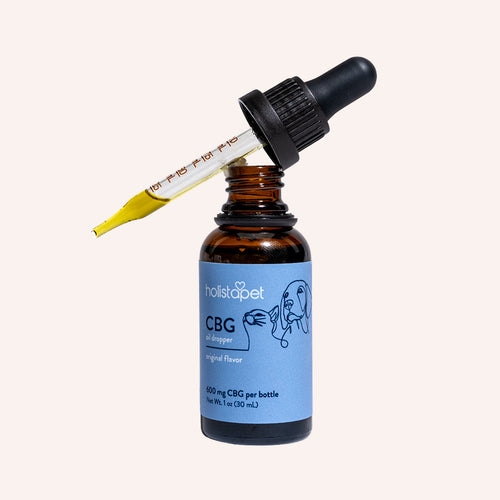 CBG Oil for Dogs and Cats - Loved by Thousands











Leave a comment
All comments are moderated before being published.
This site is protected by hCaptcha and the hCaptcha Privacy Policy and Terms of Service apply.