


A grieving dog's symptoms may appear as small changes at first, yet they reveal deep feelings of loss. Our canine friends feel grief in their own way, and the signals they send deserve close attention.
Your furry friend might seem less playful, or their facial expressions could look different from before. Some show their sadness through lack of appetite or restless behaviors. Others spend time pacing the house, searching for their lost companion. Spotting these patterns helps pet owners give comfort during such a difficult time.
Do Dogs Feel Grief from the Loss of Loved Ones?

Yes, dogs feel grief when they lose a family member, whether that loved one is a human or another animal. Scientific studies show many canines display behavioral changes after such a loss. Their deep sorrow mirrors our own in ways that surprise many pet owners.
A dog may show sadness through decreased appetite or less interest in play. Some cling closer to their humans, while others pull away. Each individual dog reacts uniquely, but most share a sense of longing. These reactions prove that dogs grieve just as deeply as people do.
Emotional Bonds Between Dogs and Humans
Dogs share a powerful bond with humans that goes beyond daily routines. This closeness explains why their sorrow often reflects the loss we feel when a beloved pet or family member passes.
Most dogs form lasting attachments built on trust, comfort, and shared experiences. A pet dog may sense moods, respond to facial expressions, and even mirror emotions. Owners often call their pooch their best friend because the relationship feels so genuine. That tight bond makes the grieving process just as real for them.
How Dogs React to the Loss of Another Pet
When a dog loses a furry friend, the change can show quickly. Some pups wander the house, searching for their missing buddy. Others may refuse to eat or avoid their favorite activities. These symptoms highlight how strongly pets grieve for one another.
Many canines also display behavioral shifts such as clinginess or withdrawal. A remaining dog might spend time resting more than usual, while another may pace restlessly. Each reaction shows the depth of the emotional bond between animals living in the same house.
Common Signs of Grief in Dogs

Grief in dogs often shows through clear changes in their daily habits. Owners may first notice small shifts, but these subtle signs reveal complex emotions. Understanding these indicators can help humans support their pets during challenging times.
- Changes in Appetite. Some dogs eat less, while others show little interest in food at all.
- Sleep Pattern Shifts. Rest can become restless, or a pooch may sleep far more than usual.
- Withdrawal or Clinginess. Dogs may hide away or stay glued to their humans.
- Excessive Vocalization or Silence. Whining, howling, or total quiet can all signal mourning.
- Restlessness and Pacing. Many animals pace through the house, unable to settle.
- Loss of Interest in Play. Even favorite toys or fetch may not spark joy.
- Searching for the Lost Companion. Dogs may look for their friend in familiar places.
Physical Changes Linked to Dog Grief
A dog's deep sorrow can also appear in their body. They may go through physical changes that mirror their inner distress. Owners who notice these shifts should pay attention, as they reveal the toll grief can take.
- Weight Loss. A weak appetite may lead to gradual loss of body weight.
- Fatigue. Dogs can seem unusually tired or low on energy during the grieving process.
- Lowered Immunity. Stress may leave dogs more vulnerable to minor health troubles.
- Digestive Upset. Some canines experience queasiness or stomach troubles linked to stress.
- Tense Muscles. Muscle tension and restlessness can show in their posture.
- Dull Coat. Changes in eating and mood may reflect in a less shiny coat.
How Long Do Signs of Grief in Dogs Usually Last?
The grieving process in dogs often lasts two to six months, though each pup's timeline looks different. Some recover faster with support from their humans, while others need extra time. The symptoms may slowly fade as the animal adjusts to life without their lost friend.
Most pets begin showing signs of improvement as weeks pass. They might regain interest in eating and playing. Pet parents who spend quality time with their dog help speed the healing process. While grief never fully disappears, many canines return to their happy days with patience and love.
Helping Your Dog Cope With Grief
Dogs need gentle guidance to manage the loss of a fellow pet or a favorite family member. Owners can help ease the grieving process by offering steady comfort and thoughtful care. Small daily choices can help a mourning animal feel safe and supported.
- Maintaining a Routine. A regular routine gives your canine companion stability and reassurance.
- Offering Extra Comfort and Attention. Spend time cuddling, playing, or just sitting together.
- Encouraging Healthy Distractions. New toys, enrichment activities, or a walk outside can lift their mood.
Natural Calming Aids and Support Options

Some signs of grief can improve with natural calming aids that bring gentle relief. Dog owners often turn to safe, holistic alternatives that support emotional balance. These options give grieving animals comfort without harsh effects.
CBD (cannabidiol) products can help soothe anxious behaviors and provide relaxation for many dogs. Melatonin is another tool that promotes natural sleep and helps regulate rest. Herbal blends with chamomile or passion flower may also calm nervous pups.
Always check with a veterinarian before introducing new wellness products. With the right support, your canine companion can move through the grieving process more smoothly.
Support Options from HolistaPet
HolistaPet offers calming CBD products made to comfort our canine friends during difficult moments. Our calming CBD chews, treats, oils, and capsules give anxious dogs soothing relief. Each wellness product uses broad-spectrum CBD, is vegan-friendly, non-GMO, and vet-approved. Every batch is third-party tested for quality and safety.
HolistaPet also provides Melatonin Soft Chews, perfect for restless pups or those with sleep issues. Made with chamomile, passion flower, ashwagandha, and valerian root, these chews calm both body and mind. Each bag includes 30 tasty treats that help reduce anxious behaviors and promote better rest.
When To Seek Veterinary Guidance

If a pup refuses their meals, loses weight quickly, or shows lasting discomfort, it may be time for expert care. Seek help if your four-legged friend struggles to sleep, withdraws for weeks, or shows intense behavioral changes. A veterinarian can rule out health issues that mimic grief and offer tailored support.
Long-term stress can impact a dog's life and overall well-being. Professional guidance can help them receive the right care. Owners who act early give their animal companions the best chance to heal and return to a stable routine.
FAQs – Dog Grief and Healing
Understanding the grieving process helps owners care for their companion pooch with patience and kindness. Here are a few common concerns about grief in dogs.
What are the most common signs of grief in dogs?
The most common indicators of a grieving dog include a weak appetite and sleep changes that leave them restless. Some pups become clingy with their humans, while others pull away and hide in quiet spaces. Owners may also notice pacing, whining, or unusual silence from their pet. The animal may also lose interest in play and ignore their favorite toys or activities. Searching for a missing friend is another strong signal of grief in dogs.
How do I know if my dog is grieving or just sick?
A grieving dog often shows behavioral changes first, such as clinginess, restlessness, or a weak appetite. These shifts usually appear after the loss of a family member, human companion, or animal friend.
Illness, on the other hand, may bring sudden physical discomfort or symptoms unrelated to loss. If your pup shows queasiness, ongoing soreness, or rapid weight changes, veterinary care may be necessary.
Track when the changes started. If they follow the passing of a beloved pet or person, grief is the likely cause.
Can dogs get depressed after losing a companion?
Yes, dogs can show depression-like behaviors after losing a friend. A grieving pooch may display signs such as decreased appetite, lack of energy, or withdrawal from people. Many dogs lose interest in playing fetch or other activities they once loved. These shifts reflect the emotional weight of their loss.
Some grieving pets may also pace the house, whine, or stare at doors as if waiting for their old friend to return. This sadness can linger for weeks. Pet parents who spend extra time with their hurting dog can help soften the grief and support healing.
Do dogs ever fully recover from grief?
Most dogs do recover from grief, though the timeline varies for each pup. Some return to their regular routine within weeks, while others may need two to six months. During this time, a grieving dog can show gradual improvement, such as renewed interest in food, toys, and play.
Recovery doesn't mean forgetting their lost loved one. Instead, the dog learns to adapt and find comfort in the love of their human companion. Pet parents can speed the healing process by spending one-on-one time, offering new activities, and maintaining structure. With patience, most pets regain joy and return to their happiest life.
Final Thoughts on Signs of Grief In Dogs
The sight of a grieving dog reminds us that pets share deep emotions with their family. A canine companion may mourn a lost friend through behavioral changes, physical shifts, or quiet sadness. Each individual dog experiences grief in their own way, but with patience, love, and steady care, healing becomes possible.
Pet parents who show up for their grieving pet with comfort, enrichment activities, and quality time can help ease the process. For added support, HolistaPet offers calming CBD products and melatonin chews to help during difficult times. These natural options give our furry friends gentle relief, guiding them toward brighter days.
Continue learning about dog care.
 CBD Oil for Dogs - Fast Acting
 Chicken Flavored CBD Oil For Dogs - Easy Dose
 Salmon Flavored CBD Oil For Dogs - Highly Rated
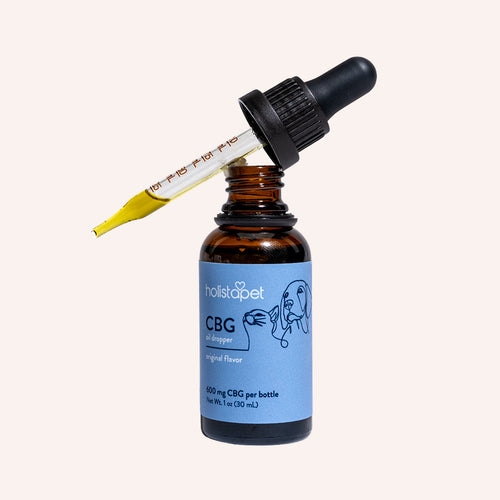 CBG Oil for Dogs and Cats - Loved by Thousands











Leave a comment
All comments are moderated before being published.
This site is protected by hCaptcha and the hCaptcha Privacy Policy and Terms of Service apply.