


Puppy probiotics keep your little one's tummy on track while they grow and explore. These friendly bacteria help maintain balance in the gut, so meals turn into fuel for playtime and naps. They also support immunity, giving your pup extra defense during their early months.
A happy gut means a happy puppy. That's something every pet parent loves to see, don't you agree?
Can Puppies Have Probiotics?

Puppies can safely enjoy probiotics made just for them. These friendly microorganisms help balance the gut. This balance can then make digestion smoother and immune response stronger during those early growth stages.
The right dog probiotics give helpful bacteria a head start, so they can outnumber any harmful ones. That extra support keeps your pooch feeling lively and ready for every new adventure.
Puppy Age Guidelines for Starting Probiotics
Most puppies can start probiotics as soon as they begin eating solid dog food. This usually happens around three to four weeks old, but always check with your veterinarian first.
Early probiotic support can help build a desirable intestinal microbial balance right from the beginning. A healthy gut microbiome gives your young dog the best chance at smooth digestion, strong immunity, and steady growth.
Vet Recommendations for New Puppy Owners
Vets often recommend adding probiotics to a puppy's diet to support gut balance during growth. They may suggest specific probiotics designed for dogs to help boost helpful bacteria and aid digestion. Some also advise a combination of prebiotics and probiotics for even better results. Following professional guidance helps you choose safe products for your puppy's developing gastrointestinal system.
How Probiotics Work in a Puppy’s Digestive System
Probiotics add friendly bacteria to the gastrointestinal tract, helping maintain gut balance. These good bacteria crowd out harmful ones and support smooth digestion. They also produce short-chain fatty acids that help nourish the digestive lining. Over time, probiotics can help improve nutrient absorption, support immune response, and keep your pup's digestive system running like a well-oiled machine.
Common Sources of Probiotics for Puppies
Puppies can get probiotics from a variety of foods and supplements made just for them. Here are some options:
- Probiotic Chews. Tasty treats formulated with live bacteria for daily gut support.
- Powders. Easy-to-mix probiotic powders that blend into your puppy's meals.
- Plain Yogurt. A natural source of live cultures, safe in small puppy-sized servings.
- Specialty Dog Foods. Kibble and wet food enriched with beneficial microorganisms.
These sources introduce live cultures into the digestive system to help keep the gut in balance. Remember: Always choose products free from artificial sweeteners and harmful additives to avoid any adverse reactions.
Can Puppies Take Probiotics Daily?
Most dogs, from puppies to seniors, can take probiotics every day when given in the right amounts. Daily probiotic use helps maintain a steady supply of healthy gut bacteria. This consistency supports digestion, immunity, and overall well-being. For best results, stick to products made just for dogs and follow the dosing guidelines on the label or provided by your vet.
Short-Term vs. Long-Term Use
Short-term probiotic use can help puppies bounce back from digestive upset, such as after antibiotic treatments and dietary changes. Long-term use focuses on maintaining a desirable intestinal microbial balance every day. Many dogs benefit from ongoing support, especially during growth and high activity periods.
Signs Your Puppy May Benefit From Daily Support
Some puppies show clear signs that daily probiotics could help. Watch for these indicators that point to an unbalanced gut:
- Frequent Loose Stool. If your dog's feces are looking off, they may need more friendly bacteria.
- Reduced Appetite. A sluggish gut can make mealtime less appealing.
- Low Energy. Poor nutrient absorption can slow growth and playfulness.
- Excessive Gas. Gut imbalance can lead to more tummy discomfort and odor.
Benefits of Probiotics for Puppies
Dog probiotics offer growing pups a range of potential health benefits by supporting balance in the gut. These helpful bacteria support:
- Digestive Health & Regularity. Helps keep stools consistent and supports smooth digestion.
- Immune System Support. A healthy gut microbiome works alongside the immune system.
- Reduced Occasional Gas and Loose Stool. Keeps the digestive tract more comfortable.
- Better Nutrient Absorption for Growth. Help essential nutrients get absorbed efficiently.
Types of Probiotics for Puppies
Probiotics for puppies come in several forms, making it easy to fit them into your dog's diet. Each type delivers beneficial microorganisms to the digestive tract in a slightly different way. You can choose from:
- Chews. Soft or crunchy treats with live cultures for daily gut support.
- Powders. Mix into food for an easy way to add probiotics.
- Liquid Drops. Simple to give directly or add to meals.
- Capsules. Contain concentrated live bacteria, often opened and sprinkled over food.
Probiotic Strains Commonly Used for Puppies
Many dog probiotics feature strains that work in their own ways to keep the gastrointestinal system balanced. Popular options include Lactobacillus acidophilus for digestion, Bifidobacterium animalis for immune function, and Enterococcus faecium for overall well-being. Using these strains with these potential benefits can help puppies grow strong and stay active.
How To Choose the Best Puppy Probiotic
Choosing the right probiotic helps your puppy get the most out of every serving. Here's how you can make a good choice:
- Look for Species-Appropriate Strains. Pick probiotics proven to benefit dogs, not humans.
- Avoid Harmful Additives. Skip products with artificial sweeteners and unnecessary fillers.
- Understanding CFU Counts. Higher CFU (colony-forming units) means more live bacteria. Important: Follow your vet's advice for the right amount.
HolistaPet's Puppy-Friendly Probiotic Chews

HolistaPet's Probiotics for Dogs Wellness Soft Chews make supporting your puppy's gut health simple and delicious. Each heart-shaped chew packs nine strains of beneficial bacteria. That includes Lactobacillus acidophilus, L. casei, L. salivarius, L. plantarum, L. rhamnosus, L. brevis, Bifidobacterium bifidum, Streptococcus thermophilus, and B. lactis/longum. Plus, it's blended with sweet potato and pumpkin for natural flavor.
With 3 billion CFU per chew, they help restore balance in the intestinal tract, maintain regularity, and support immune function. Gentle and all-natural, these tasty bites suit puppies of all breeds and sizes.
FAQs – Puppies and Probiotics
Probiotics for puppies often raise a lot of questions for pet owners, especially when it comes to safety, timing, and benefits. In the next few sections, we'll cover common topics like probiotics for humans, bad breath, how fast results show, and more. Keep reading to stay informed.
Are human probiotics safe for puppies?
Most human probiotics are not ideal for puppies because they contain strains meant for people, not canines. Some human-specific options may also have additives and sweeteners that aren't safe for companion animals.
Puppies need species-appropriate strains to support their gut microbiome and immune health. So, always choose probiotic supplements made for canine pets. They give your pooch the right beneficial bacteria without any risky ingredients.
Can probiotics help my puppy's bad breath?
Probiotics may help freshen your puppy's breath by balancing bacteria in the mouth and digestive tract. When good bacteria outnumber harmful bacteria, odor often improves. A healthier gut can also help reduce other sources of bad breath, like poor digestion.
How quickly do probiotics work for puppies?
Some puppies may show improvements in digestion or energy within a few days of starting probiotics. For others, it can take a couple of weeks for the gut microbiome to reach a desirable balance.
Stay consistent. Daily servings give beneficial bacteria time to multiply and crowd out harmful bacteria. Stick with your chosen product and follow the recommended dosage for best results.
Can probiotics help with puppy diarrhea?
Probiotics can support recovery from occasional loose stool by restoring beneficial bacteria in the gastrointestinal tract. They help crowd out harmful bacteria and promote a healthier digestive balance. This can lead to more regular stools and improved nutrient absorption.
For persistent or severe cases, consult your vet. They can help rule out other health problems before relying on probiotics alone.
Is it okay to give probiotics along with other supplements?
Most puppies can take probiotics alongside other wellness products when given in safe amounts. Probiotics work in the gut, so they rarely interfere with vitamins, minerals, and other natural wellness additions. Always read ingredient labels to avoid overlapping additives, and check with your vet if your puppy has specific health concerns.
Final Thoughts – Giving Your Puppy the Best Start With Probiotics
Puppy-approved probiotics lay the groundwork for steady growth and a happier gut from the start. The right formula keeps good bacteria thriving, supports immune health, and helps your furry best friend enjoy every meal.
HolistaPet's Probiotics Soft Chews for Dogs make it easy to give this daily boost in a tasty, gentle way. A balanced gut today means a healthier, more energetic puppy tomorrow.
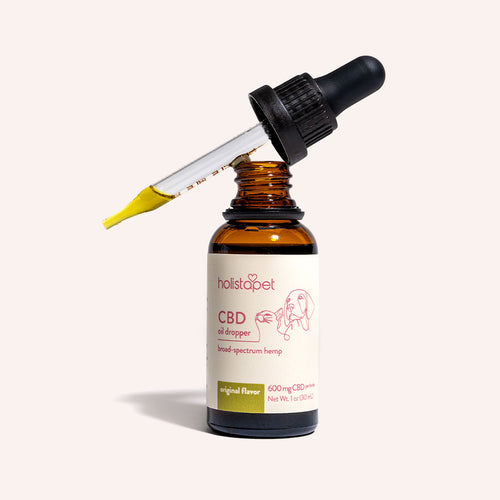 CBD Oil for Dogs - Fast Acting
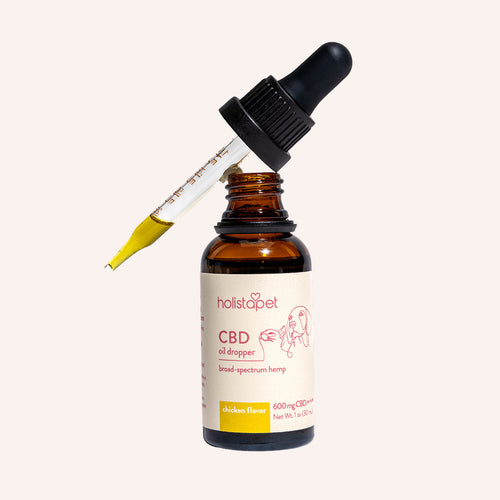 Chicken Flavored CBD Oil For Dogs - Easy Dose
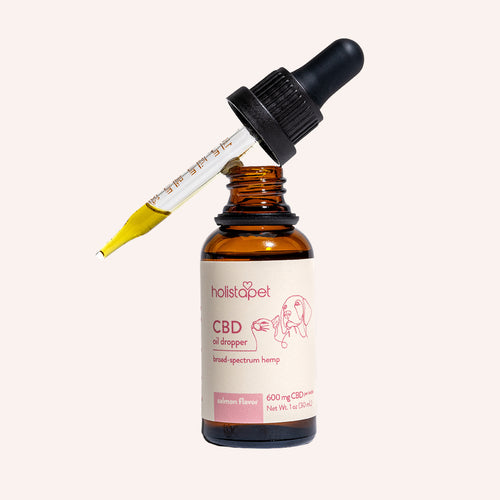 Salmon Flavored CBD Oil For Dogs - Highly Rated
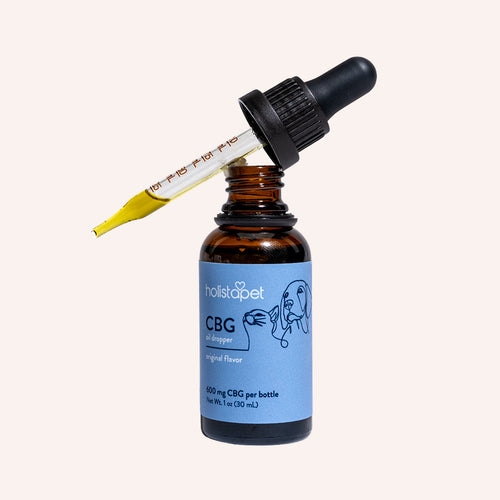 CBG Oil for Dogs and Cats - Loved by Thousands










Leave a comment
All comments are moderated before being published.
This site is protected by hCaptcha and the hCaptcha Privacy Policy and Terms of Service apply.