


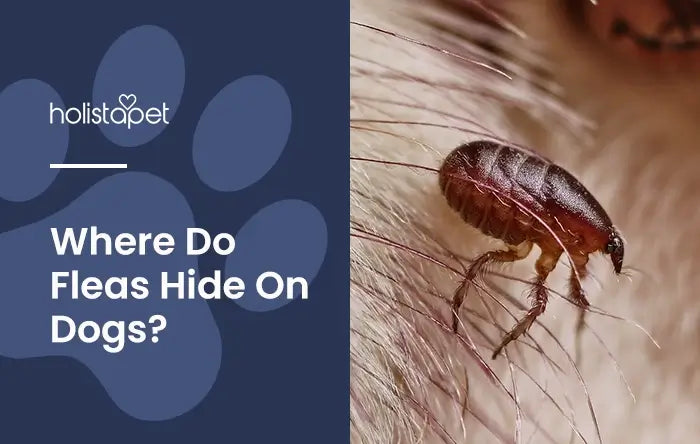
Fleas can sneak into the tiniest spots on your pup, which makes you wonder: Where do fleas hide on dogs most often? These little jumpers love warm, cozy places and can turn a fluffy coat into their playground fast.
Once fleas settle in, they bite, itch, and leave your pooch restless. A few hidden ones can quickly grow into a full-blown infestation if not spotted early. Your furry friend deserves better than these annoying pests, so let's discuss how to combat them.
Understanding Fleas and Their Behavior
Fleas act like tiny jumpers with a nonstop drive. They land on a dog's fur, cling tightly, and move quickly. Once settled, they feed and slip into hidden spots that keep them safe. Their quick movements make them tough to catch.
Their life cycle keeps them around longer. Adults bite and feed, while eggs drop into the home. Larvae grow, pupae wait, and new adults appear. This keeps the flea population alive and thriving. For more everyday health and hygiene advice, browse our collection of dog care resources.
What Are Fleas?

Fleas are tiny, dark brown parasites with flat, oval-shaped bodies that move fast through a dog's fur. They bite, feed, and leave behind dirt. A single female flea can lay many eggs each day, boosting the population quickly.
Most fleas on dogs are actually cat fleas (Ctenocephalides felis), not dog fleas (Ctenocephalides canis), and they live by taking a blood meal. They also bite felines and sometimes humans. Small in size, fleas cause big trouble for pets.
Why Do Fleas Target Dogs?
Dogs give fleas the perfect mix of warmth, shelter, and food. The canine body offers cozy hiding places where fleas can stay close to their next blood meal. Fleas also prefer dogs because thick fur helps them hide from sight. They jump easily from other animals or the yard, turning one bite into a full infestation quickly.
Common Places Where Fleas Hide on Dogs
Fleas pick spots that stay warm and hard to reach. Knowing these hiding places helps you spot them early and keep an infestation from growing.
- Around the Ears and Neck – fleas gather in soft fur
- Between the Shoulder Blades – tough for pups to reach
- Along the Back and Tail Base – a flea hotspot
- In the Groin and Underbelly – warm and protected
- Between the Toes and Paw Pads – small gaps fleas love
- Under Collars, Harnesses, and Clothing – dark spaces hide fleas easily
How To Spot Fleas on Dogs

Look for black specks, red bumps, and restless scratching that doesn't stop. If your dog chews at the base of the tail or along the belly, fleas may be the cause. A flea comb can help identify fleas or flea dirt in your dog's fur. These parasites move quickly, but with close checks, you can catch them early.
What Do Fleas Look Like?

Fleas are small, oval-shaped insects with flat bodies that let them slide through fur. They look dark or deep brown to the naked eye and move quickly once spotted. Their long legs allow them to jump great distances compared to their tiny size. Though tiny, live fleas are easy to notice when you know what to look for.
What Is "Flea Dirt" and How to Recognize It?

Flea dirt looks like black specks sprinkled through a dog's hair. At first glance, it may seem like regular dirt, but it is actually flea droppings made of digested blood. You'll often spot it near the base of the tail or close to the skin.
To test flea dirt, place it on a white paper towel and add a few drops of warm water. If it turns dark brown or red, it's flea dirt.
Signs Your Dog Has a Flea Infestation
A flea infestation shows itself through clear warning signs. Watch closely for changes in skin, coat, and daily comfort.
- Excessive Scratching and Biting – nonstop itching points to fleas
- Redness, Bumps, or Skin Irritation – bites leave behind marks
- Hair Loss or Bald Patches – constant chewing thins fur
- Restlessness or Agitation – dogs struggle to relax
- Secondary Skin Infections – scratching opens the door for more trouble
How To Prevent Dog Flea Infestations
Prevention keeps fleas from moving in and making your pup miserable. A few steady habits can stop fleas from growing into a problem.
- Regular Grooming and Bathing – keeps fleas from hiding in fur
- Washing Dog Bedding and Toys Frequently – removes flea eggs and larvae
- Keeping Your Home and Yard Clean – less space for fleas to thrive
- Using Natural Flea-Repelling Ingredients – safe support against pests
- Scheduling Routine Vet Checkups – professional advice keeps dogs safe
Safe and Natural Ways to Get Rid of Fleas on Dogs
Natural care works well for easing discomfort and cutting down flea numbers. These methods are gentle yet effective when used regularly. Using natural pet products alongside good hygiene habits can help support a healthier environment for your dog.
- Regular Bathing With Mild or Natural Shampoos – eliminates fleas and dirt
- Brushing and Combing With a Flea Comb – catches live fleas and eggs
- Essential Oils (Dog-Safe Options Only) – light scents may help repel pests
- Herbal Flea Sprays and Powders – plant-based support for your dog’s coat
- Vacuuming and Washing the Home Environment – breaks the life cycle
Comforting Dogs With Flea Bites and Easing Irritation
Flea bites can leave your dog with irritated skin and nonstop scratching. Quick comfort helps ease soreness and keeps them calmer while you work on solving the issue.
Cool compresses, gentle baths with warm (not hot) water, or soothing rubs with dog-safe oils can all help. Pairing these with a clean environment reduces irritation and gives your pooch relief while healing begins.
Natural Remedies to Soothe Itchy Skin
Simple natural care can ease irritation caused by flea bites. A warm bath with mild shampoo helps wash away dirt and calm the skin. Oatmeal baths are another gentle choice that brings quick comfort.
Aloe vera gel (dog-safe and pure only) may soothe red bumps and irritation. You can also try rubbing coconut oil lightly into your dog's skin for moisture and calmness. These easy remedies give fast relief without harsh chemicals.
The Role of CBD in Comfort and Calmness
CBD oil drops for dogs may help dogs stay more comfortable after flea bites. Its soothing properties can help ease agitation and support a calmer mood.
CBD interacts with the endocannabinoid system (ECS), promoting relaxation and easing worried or negative thoughts a use supported by the AKC: CBD Oil for Dogs — What You Need to Know and PubMed: Pharmacokinetics, Safety, and Clinical Efficacy of CBD in Dogs. When paired with regular flea treatment, it adds extra support. For many pets, CBD becomes part of a balanced routine for comfort.
Many pet parents also choose non-GMO CBD dog treats, gut health probiotics for dogs, or melatonin for anxious dogs to support overall wellness and relaxation during recovery. If you're new to CBD for pets, read our can get high from guide to learn why properly formulated CBD products will not intoxicate dogs.
When To Seek Veterinary Help
If your dog has swelling, hair loss, or red bumps that won't heal, it may be time to see the vet. Persistent scratching or sores can point to flea allergy dermatitis (FAD). Fleas that don't leave after treatment also require professional help. A vet may suggest topical medications, stronger flea preventatives, or tests for skin disease.
FAQs - Finding Fleas on Dogs

Pet parents often share the same worries about fleas. Quick answers can make spotting and treating them easier. Here are a few of the most common questions asked.
Where do fleas hide the most on dogs?
Fleas hide in warm, hard-to-reach areas on a dog's body. The base of the tail, neck, and groin are the most common spots. These areas give fleas easy access to the skin for a blood meal. You may also find them between the toes, under collars, or along the belly. Checking these spots with a flea comb makes it easier to find fleas early, before they spread through the coat.
How long is the flea life cycle?
The flea life cycle has four stages: egg, larva, pupa, and adult. Eggs hatch into larvae, which later form cocoons called pupae. Inside, they develop until conditions are right to emerge as adults.
The full cycle can take a few weeks to several months, depending on warmth and humidity. Adult fleas then feed on blood, lay eggs, and repeat the cycle. This makes controlling all stages vital to reducing infestations.
What is the most effective flea treatment?
The most effective flea treatment usually combines regular grooming with vet-approved flea products. Topical meds, oral options, or special shampoos target live fleas and break their life cycle. Each method works best when used consistently.
A flea comb helps remove fleas and flea dirt daily, while preventatives stop new ones from latching on. Working with your vet ensures the right treatment for your dog's age, size, and health. Remember, consistency keeps fleas away.
Can CBD help my dog with flea irritation?
Yes, CBD may help ease discomfort linked to flea bites. Many owners use CBD on their pets to calm scratching, reduce agitation, and support relaxation. It works by interacting with natural systems in the body that regulate mood and balance.
CBD with flea treatment offers relief while you manage the infestation. Many dogs respond well to this extra support.
Are flea shampoos safe for all dogs?
Most flea-specific shampoos are safe, but not every formula fits every dog. Puppies, seniors, or those with sensitive skin may react to strong ingredients. Always check the label and choose products made for your dog's age and size.
Using mild or natural flea shampoo lowers the risk of irritated skin. If redness or soreness appears after bathing, stop and consult a vet. Safe use depends on picking the right product for your pup.
Final Thoughts on Protecting Your Dog From Fleas Naturally
a clean home, and safe, natural care, you can keep your pup flea-free. Watching for early signs and taking action quickly helps stop infestations before they grow.
HolistaPet's CBD oils, treats, and chews add soothing comfort when fleas cause irritation. Made with broad-spectrum CBD and all-natural ingredients, they’re a trusted choice for pet wellness. Protect your pooch and give them relief that lasts.








Leave a comment
All comments are moderated before being published.
This site is protected by hCaptcha and the hCaptcha Privacy Policy and Terms of Service apply.