

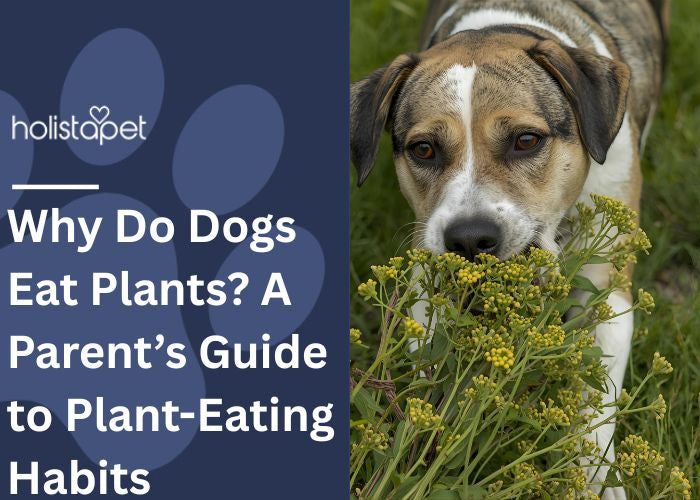
One minute your dog is sprawled on the rug like a lazy king, the next they’re crunching on your ficus like it’s a midnight snack. You find it funny, until you remember to ask, "Why do dogs eat plants, and is it actually safe?"
What seems like harmless snacking can sometimes spell trouble. It could mean anything, from tummy upsets to plants that are toxic to dogs. But don’t panic. There are smart, safe ways to curb the habit and plenty of dog-friendly alternatives that will keep your pup's tail wagging.
Understanding Plant-Eating in Dogs

Dogs chew plants for various reasons, from natural instincts and dietary needs to emotional triggers and simple enjoyment. In other words, a dog eating plants may find it soothing, tasty, or just fun.
This habit is generally harmless, but it can also lead to issues if hazardous plants are involved. You can correct this habit through training, diet changes, and using safe alternatives. By spotting the cause, you can protect your dog and keep their environment safe.
Instincts & Ancestry
Your dog’s habit of munching on plants may trace back to their ancestors. Wild canines and other animals often ate grass, berries, and roots as part of a mixed diet, passing that instinct along.
Most dogs eat plants without showing signs of illness or constant vomiting, suggesting the behavior is normal. After all, plant-chewing may provide fiber, trace nutrients, or relief from mild stomach upset.
Still, if your pup eats too much, ingests harmful species, or shows troubling symptoms, consider going to the vet.
Dietary & Digestive Needs
Your dog may eat plants to balance their eating pattern or soothe an upset stomach. Fiber is a key reason, since it helps regulate bowel movements and supports gut health. If your pup’s food lacks enough fiber, they may nibble grass or leaves to fill the gap.
Some plants can also calm a tummy upset, offering mild relief. While the habit is often harmless, frequent gnawing paired with vomiting, diarrhea, or lethargy can signal deeper issues. In that case, veterinary care is needed.
Behavioral & Emotional Triggers
Your dog may eat plants because of boredom, nervous energy, or a need for attention. When dogs lack stimulation or structured play, they often find leaves or grass to pass the time.
Upset or lonely dogs may also nibble plants to calm themselves, especially during loud noises or changes at home. This can be even more pronounced in a puppy adjusting to a new environment.
Some pups even learn that eating plants gets your reaction, which can reinforce the habit. Providing exercise, toys, and positive reinforcement helps redirect this behavior and keeps your dog healthier and safer.
Enjoyment & Environment
Some dogs eat plants simply because they enjoy the taste and texture. Fresh grass or tender shoots can feel juicy and appealing, especially after rain or during cooler mornings. Seasonal changes add to the attraction, since new growth is softer and more flavorful.
Dew or moisture can make plants even more tempting. For curious pups, munching greenery is also a way to explore their surroundings. While this is usually harmless, problems arise if the plants are dangerous or chemically treated.
Why Do Some Dogs Eat Plants and Vomit?

Some dogs chomp greenery and vomit because fibrous plants irritate their stomach or trigger queasiness. In other cases, dogs eat plants to induce vomiting and relieve a sick gut.
The concern grows when you wonder, "Why is my dog eating plants all of a sudden and then throwing up?" Excessive chewing may signal diet gaps, parasites, or gastrointestinal issues.
If vomiting occurs often or pairs with diarrhea, lethargy, or appetite loss, you should contact a veterinarian for proper guidance. In some cases, your vet may suggest feeding a temporary bland diet to rest the digestive system and ease recovery.
Should You Be Concerned If Vomiting Happens?
Occasional vomiting after eating grass is usually not alarming, since in most cases, dogs use plants to ease minor stomach troubles. Concern rises if puking happens often or comes with the following symptoms: diarrhea, drooling, loss of appetite, abdominal pain, or lethargy.
These signs may point to unsafe plants or underlying digestive disease. Some species like lilies, sago palm, or daffodils are especially dangerous and can cause serious harm.
If your dog vomits repeatedly or shows any of these symptoms, immediate veterinary care is the safest choice to protect their health.
Why Is My Dog Eating Plants All of a Sudden?
A sudden interest in munching plants may signal a change in your dog’s body or environment. They might crave extra fiber or nutrients missing from their regular food. Some dogs nibble plants to relieve a bellyache or trigger gagging and puking after consuming something that bothers them.
Stress, boredom, or changes in routine can also spark the habit. Seasonal growth, like fresh turf after rain, can tempt even uninterested dogs. If plant-eating becomes frequent or pairs with troubling symptoms, see your veterinarian.
Is Eating Plants Toxic to Dogs?
Eating plants can be risky for your pup if the habit grows beyond occasional snacking. So, are plants bad for dogs?
- Risks of Toxic Plants : Many common garden and houseplants like daffodils, lilies, and sago palms are poisonous and can cause puking, drooling, or worse.
- Digestive Blockages or Irritation: Too much fibrous plant matter may cause watery bowel movements, repeated throwing up, or even blockages that need urgent care.
- Parasites, Pesticides, or Fertilizers : Chemicals or hidden parasites on plants may harm your dog’s health.
How to Stop a Dog From Eating Plants

There are safe prevention strategies to guide your dog away from consuming greenery:
- Training & Redirection Techniques: Use positive reinforcement with commands like “leave it” and reward good choices.
- Offering Safe Chew Alternatives: Provide chew toys, dental sticks, or frozen veggies.
- Adding Nutrients Through Diet: Ensure meals include fiber and essential vitamins.
- Calming Aids for Anxious Dogs: Reduce nervous chewing with natural supports.
- Yard & Walk Management: Remove poisonous plants and supervise walks to limit risky snacking.
Dog Eating Plants – What Not to Do
Avoid punishing your dog for chewing leaves or flowers. Scolding or yelling only increases stress and may push them to hide the behavior. Skip unsafe substitutes like sticks or random items, since these can splinter, choke, or irritate the digestive tract.
Another mistake is giving dramatic reactions—chasing or shouting turns the habit into a game. Instead, redirect calmly, offer safe chew toys, and reward good behavior with praise or treats. This approach builds better habits without adding unnecessary stress.
Holistapet Products That May Help

Holistapet products offer safe, effective options to keep your pup away from risky vegetation.
- Fresh Breath Dental Sticks (Safe Chew Alternative): A safer choice than chewing leaves or stems, these dental chews satisfy your dog’s urge while supporting oral health.
- Multivitamin Soft Chews (Completes Nutritional Gaps): These chews provide essential vitamins and minerals, reducing cravings linked to missing nutrients.
- Probiotic Soft Chews (Aids Digestion and Nutrient Absorption): Support gut health, improve digestion, and ease minor tummy trouble that may trigger plant chewing.
- Calming Aids For Dogs (Calms Anxious Behaviors and Nervous Tendencies): Ideal for dogs that chew foliage due to nervous energy or stress, these natural aids promote relaxation.
With the right products, you guide your dog toward healthier habits and reduce risky chewing.
When to See a Vet About Plant-Eating
Knowing when to call your vet makes all the difference for your dog’s safety. Occasional nibbling on yard greens with no problems is usually harmless. But frequent puking, runny poop, drooling, or sudden lethargy means something serious could be happening.
If your dog ingests harmful herbs or flowers like lilies, daffodils, or sago palms, seek veterinary attention immediately. Repeated tummy discomfort, blood in vomit or stool, or refusal to eat also require attention. Quick action helps rule out dangerous issues and keeps your pup safe.
FAQs – Plant-Eating in Dogs
Why does my dog eat plants even if they’re well-fed?
Your dog may chew greenery out of curiosity, boredom, or mild digestive relief, even with a complete food plan. Instincts and behavior often drive this habit.
Are plants bad for dogs’ teeth?
Most plants don’t damage teeth, but tough stems or sticks can cause irritation. Safer chew toys or dental treats protect oral health while keeping your dog satisfied.
Can eating plants make my dog sick?
Yes, some plants and flowers are poisonous. Even safe leaves or grass can cause diarrhea or regurgitation if eaten in large amounts. Always monitor your pup and remove risky greenery from reach.
How do I know if a plant was toxic?
Toxic growth often triggers repeated throwing up, loose stool, drooling, or lethargy. If your dog chewed something suspicious, contact your veterinarian immediately and bring a sample of the plant.
Final Thoughts – Why Do Some Dogs Eat Plants?
Dogs chewing on plants is common, but it can sometimes put them at risk. Occasional grazing may be harmless, yet toxic plants or constant chewing demand caution. With consistent training, safe chew alternatives, and a balanced diet, you can reduce risky behaviors.
Holistapet products, like calming chews, probiotics, and dental sticks, offer helpful tools to guide your dog toward safer habits. By staying observant and proactive, you give your pup a healthier, safer lifestyle while keeping your garden worry-free.
 CBD Oil for Dogs - Fast Acting
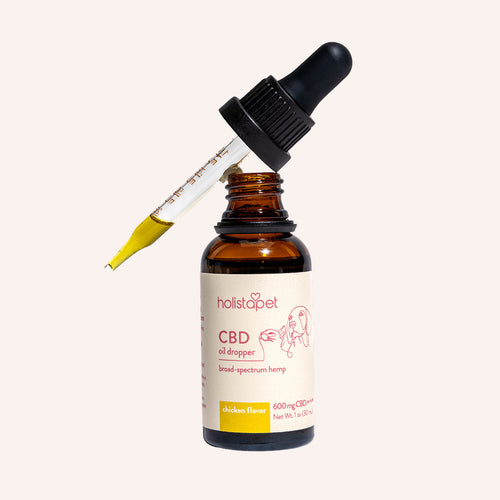 Chicken Flavored CBD Oil For Dogs - Easy Dose
 Salmon Flavored CBD Oil For Dogs - Highly Rated
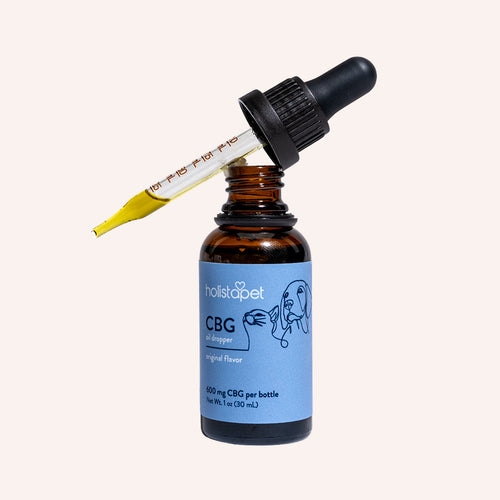 CBG Oil for Dogs and Cats - Loved by Thousands











Leave a comment
All comments are moderated before being published.
This site is protected by hCaptcha and the hCaptcha Privacy Policy and Terms of Service apply.