

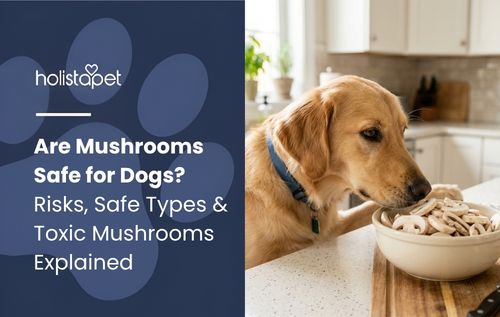
Dogs are naturally curious and may try eating mushrooms found in yards, parks, or during walks. While some mushrooms may be safe when properly prepared, many wild varieties are highly toxic and can cause serious health issues.
Because edible and poisonous mushrooms can look similar, proper identification and feeding caution are essential for dog safety.
For more guidance on what's safe to feed your pup, browse our dog diet resources.
Are Mushrooms Safe for Dogs?

Mushrooms are not universally safe for dogs. Some store-bought varieties may be safe when properly cooked, but wild mushrooms are highly dangerous and potentially life-threatening.
Because edible and toxic mushrooms can look similar, dogs should never be allowed to eat unidentified mushrooms outdoors.
Types of Mushrooms and Safety Levels
1. Culinary Mushrooms (Low Risk When Prepared Properly)
Common types:
- Button mushrooms
- Cremini mushrooms
- Portobello mushrooms
- Oyster mushrooms
Safety notes:
- May be safe when cooked plain
- Must be served in small amounts
- Should never include seasoning or oils
- Raw mushrooms are not recommended
These are the most commonly used edible mushrooms in human food.
2. Functional Mushrooms (Supplement-Based Use Only)
Functional mushrooms include:
- Lion’s Mane
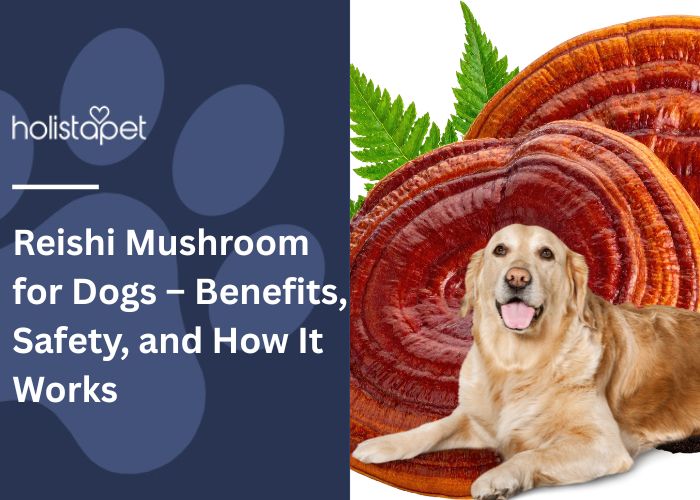
- Reishi
- Turkey Tail
- Maitake
- Shiitake
- Cordyceps
These mushrooms are studied for bioactive compounds and are often included in wellness supplements. Scientific literature, including PubMed: Medicinal Mushrooms — Bioactive Compounds and Health Effects, has examined their potential biological properties.
For dogs:
Functional mushrooms should only be used when included in dog-formulated supplements with controlled dosage and extraction.
They may support:
- Immune function balance
- Cognitive health support
- Antioxidant activity
- General wellness maintenance
Human mushroom powders are not recommended due to inconsistent potency.
3. Wild Mushrooms (High Risk / Toxic)
Wild mushrooms are considered unsafe for dogs.
Dangerous species include:
- Death cap (Amanita phalloides)
- Destroying angel
- Fly agaric (Amanita muscaria)
- Funeral bell
Why they are dangerous:
- Toxic and non-toxic species look similar
- Identification is difficult without expertise
- Even small ingestion may cause poisoning
Dogs should be prevented from accessing areas where wild mushrooms grow.
Symptoms of Mushroom Poisoning in Dogs
Mushroom toxicity can develop quickly and may become life-threatening.
Common symptoms:
- Vomiting
- Diarrhea
- Excessive drooling
- Weakness or lethargy
- Loss of coordination
- Tremors or seizures
- Yellowing of skin or eyes (jaundice)
- Collapse in severe cases
Important:
Immediate veterinary care is required if mushroom ingestion is suspected.
For a deeper look at warning signs and emergency steps, see VCA: Are Mushrooms Safe for Dogs?
Are Cooked Mushrooms Safe for Dogs?

Cooked mushrooms may be tolerated by some dogs when prepared correctly.
Safe preparation guidelines:
- Cook thoroughly
- Serve plain (no seasoning or oil)
- Offer in small portions
- Monitor for digestive sensitivity
Cooking improves digestibility, but individual tolerance varies.
Are Raw Mushrooms Safe for Dogs?
Raw mushrooms are not recommended.
Reasons include:
- Difficult to digest
- Tough texture
- Higher risk of stomach upset
Cooking is generally safer for dogs when mushrooms are fed at all.
Potential Benefits of Safe Mushrooms for Dogs

When properly prepared or used in supplements, some mushrooms may support general wellness.
Possible support areas:
- Immune system balance
- Antioxidant support
- Digestive function support
- Cognitive health support (e.g., lion’s mane)
- Stress response support (e.g., reishi)
These benefits depend on formulation quality and appropriate dosage.
How to Safely Feed Mushrooms to Dogs
If feeding culinary mushrooms:
- Use only cooked and plain mushrooms
- Start with a very small portion
- Avoid seasoning and additives
- Monitor for reactions
If using supplements:
- Choose dog-specific formulations
- Follow label dosing instructions
- Avoid human-grade mushroom products
Wild mushrooms should never be fed.
Mushroom Dosage Guidelines for Dogs
There is no universal dosage for fresh mushrooms.
General guidance:
- Start with minimal amounts
- Increase only if well tolerated
- Avoid raw wild mushrooms entirely
For supplements:
- Follow manufacturer instructions
- Use weight-based dosing when provided
- Do not exceed recommended servings
How to Prevent Mushroom Poisoning in Dogs
Prevention is essential due to the high risk of wild mushroom toxicity.
Safety tips:
- Avoid letting dogs sniff or eat wild mushrooms
- Inspect yards and outdoor areas regularly
- Keep dogs leashed in wooded or damp areas
- Remove mushrooms immediately if found at home
If you're also exploring calming options for anxious or stressed dogs during outdoor walks, you may want to read about can dogs have chamomile tea.
Where to Find Safe Mushroom Options for Dogs
Safe mushroom support should come from verified, dog-formulated products.
What to look for:
- Third-party lab testing
- Clear ingredient labeling
- Organic mushroom sourcing
- Pet-specific dosing instructions
Avoid human supplements due to potency variability.
Mushroom Supplements for Dogs
Some dog-specific supplements include functional mushrooms such as Lion’s Mane, Reishi, Turkey Tail, Shiitake, and Maitake. These ingredients are commonly used in veterinary-formulated wellness products due to their potential role in supporting general health.
When choosing a mushroom supplement for dogs, formulation quality, dosage accuracy, and species-specific design are important considerations. Products intended for pets typically include controlled ingredient concentrations to help ensure safe daily use.
Final Thoughts
Mushrooms can be either beneficial or dangerous depending on the type and preparation.
Wild mushrooms are highly toxic and should always be avoided. Culinary mushrooms may be safe when cooked plain and served in small amounts. Functional mushrooms can be used in dog-formulated supplements when properly dosed.
Safe habits, careful monitoring, and responsible feeding practices help protect dogs from mushroom-related risks.
If your dog is already taking a daily supplement, you may also be wondering how long should a probiotic regimen typically last for continued digestive support.
FAQs: Are Mushrooms Safe for Dogs?
Are mushrooms safe for dogs?
Some mushrooms may be safe when cooked plain and served in moderation. Wild mushrooms should always be avoided due to toxicity risk.
Can dogs eat store-bought mushrooms?
Yes, plain cooked store-bought mushrooms may be safe in small amounts. Avoid seasoning and additives.
Can dogs eat cooked mushrooms?
Cooked mushrooms are easier to digest than raw ones and may be tolerated when served plain and in moderation.
Can dogs eat raw mushrooms?
Raw mushrooms are not recommended due to digestive difficulty and potential stomach upset.
Can dogs eat portobello mushrooms?
Yes, plain cooked portobello mushrooms may be safe in small portions when properly prepared without seasoning.







Leave a comment
All comments are moderated before being published.
This site is protected by hCaptcha and the hCaptcha Privacy Policy and Terms of Service apply.