

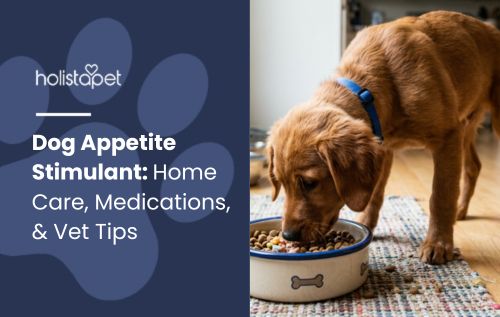
A dog appetite stimulant can help dogs regain interest in food, but the right solution depends on the underlying cause. Some dogs need simple home care changes, while others require prescription medications or treatment for health issues like kidney disease, dental disease, or an upset stomach.
This guide covers safe ways to stimulate appetite, improve eating habits, and help a sick dog eat again.
Key Takeaways
- Appetite loss can result from many causes, so identifying the underlying problem comes before choosing an appetite stimulant.
- Simple home strategies may encourage eating but do not replace veterinary care for ongoing appetite loss.
- Prescription medications work best when a veterinarian recommends them based on a dog's condition.
- Senior dogs often need a different feeding approach because aging can affect appetite and eating habits.
- Persistent appetite loss or additional symptoms such as vomiting, loose stool, or refusal to drink water require prompt veterinary attention.
- Early diagnosis and appropriate treatment improve the chances of a positive outcome while supporting long term health.
What is a Dog Appetite Stimulant?
A dog appetite stimulant is a product, medication, or feeding strategy that encourages a dog to eat more. Veterinarians may recommend one for dogs that lose interest in food due to illness, stress, aging, or another health condition.
Some options include prescription medications such as capromorelin oral solution, while others focus on home care. Hand feeding, warming meals, adding low sodium chicken broth, or mixing in wet food with dry kibble can help increase food intake and encourage dogs to consume more calories.
Before choosing an appetite stimulant, it is important to identify the reason behind the appetite loss. A complete lack of interest in food often points to an underlying problem that requires treatment. A physical examination and other diagnostic tests can help determine the cause and guide the most effective approach before discussing appetite stimulants.
Why Do Dogs Lose Appetite?
Dogs lose appetite due to illness, pain, stress, medication side effects, or changes in their environment. A reduced appetite can also signal serious medical problems that need veterinary medicine and testing.
- Kidney disease: Can cause nausea, weight loss, and poor appetite in dogs.
- Dental disease: Mouth pain often makes a dog refuse dry food or hard treats.
- Upset stomach: Digestive problems may lead to vomiting, abdominal pain, and decreased appetite.
- Stress or anxiety: Changes in routine, travel, or loud environments can affect appetite and eating habits.
- Prescription medications: Some other medications and appetite drugs may trigger appetite loss or adverse effects.
- Picky eater behavior: Frequent table scraps and too many special treats can reduce interest in balanced diet meals.
- Aging: A senior dog may experience changes in the dog's sense of smell and lower food intake.
- Underlying health conditions: Infections, cancer, liver problems, and other symptoms often contribute to appetite loss.
- Anti-nausea medication needs: Dogs with constant nausea may avoid food until treatment controls the discomfort.
- Digestive issues: Food sensitivities and stomach irritation can make it harder to encourage eating consistently.
Related Post: Can Probiotics Cause Diarrhea in Dogs?
How Can I Help Increase My Dog’s Appetite?
Helping a dog eat again starts with improving food appeal and treating the underlying cause. Simple feeding changes and veterinary guidance can often stimulate appetite quickly.
Warm the Food
Gentle heating enhances the smell and may encourage a dog to eat more calories.
- Add chicken broth to dog's food
- Mix in boiled chicken or cooked chicken
- Slightly heat wet or dry food
The American Kennel Club notes that stronger food aromas can help stimulate appetite in dogs with reduced appetite.
Follow a Consistent Feeding Schedule
Routine supports healthier eating habits and reduces picky eater behavior.
- Feed at the same times daily
- Remove the food bowl after 15 minutes
- Limit random snacks and table scraps
Offer Bland Foods
Simple meals may help dogs with upset stomach or abdominal pain.
- Serve boiled chicken with rice
- Use smaller portions more often
- Focus on easy-to-digest foods
Try Hand Feeding
Hand feeding may encourage eating in a sick dog or senior dog.
- Offer small bites calmly
- Feed in a quiet space
- Use favorite treats sparingly
Consider CBD Products

CBD products may help support normal appetite in some dogs experiencing stress or temporary discomfort, but they should not replace a veterinary evaluation for ongoing appetite loss or a suspected medical condition.
HolistaPet's CBD Oil for Dogs may promote calm behavior and overall well being, which can help some dogs feel more comfortable during mealtime. It should only serve as part of a broader supportive care plan recommended by a veterinarian.
Always follow the product directions and ask a veterinarian before introducing CBD, especially if a dog takes prescription medications or has an existing health condition.
Which Medications Can Help Boost a Dog’s Appetite?

Several appetite stimulant medications can help dogs regain a healthy appetite. Veterinarians choose these treatments based on the underlying cause, other symptoms, and the dog’s overall health.
Capromorelin
Capromorelin is one of the most common appetite stimulant drugs for dogs. It acts as a ghrelin receptor agonist that signals hunger and supports weight gain.
- Commonly prescribed for appetite loss and weight loss
- Helps increase food intake in sick dogs
- Often recommended for kidney disease and chronic illness cases
Veterinarians favor capromorelin dog treatments because they directly stimulate appetite instead of only reducing nausea.
Mirtazapine
Mirtazapine supports appetite stimulation and also works as an anti-nausea medication.
- Helps dogs with nausea and reduced appetite
- Common in veterinary medicine for chronic illness cases
- Available in compounded medications and transdermal formulation options
Veterinarians may use this medication off label for dogs that struggle with poor appetite and digestive discomfort.
Cyproheptadine
Cyproheptadine is an antihistamine with appetite stimulating effects.
- Sometimes used for picky eater behavior
- May help dogs with decreased appetite from stress
- Often combined with digestive support plans
Cyproheptadine is used less frequently in dogs than other appetite stimulants, but vets may still prescribe it in select situations.
Prednisone and Prednisolone
Steroids can affect appetite and increase hunger quickly.
- Common for inflammatory conditions
- May improve appetite in dogs with abdominal pain
- Sometimes used alongside other medications
Long-term use may cause adverse effects, so veterinarians monitor dosage carefully.
Diazepam and Oxazepam
These medications can stimulate appetite in some cases.
- Short-term option for severe appetite loss
- Occasionally used in hospital settings
- These medications are used more cautiously in dogs than in cats.
Veterinarians use these drugs cautiously because other drugs may interact with them.
How Do I Choose Between Natural Solutions and Prescription Options?
Choose supportive home strategies for mild, temporary appetite changes in an otherwise healthy dog. Prescription options are more appropriate when appetite loss continues, returns frequently, or results from a diagnosed medical condition.
|
Factor |
Supportive Home Strategies |
Prescription Options |
|---|---|---|
|
Best for |
Mild, temporary appetite changes |
Ongoing appetite loss or diagnosed conditions |
|
Examples |
Warm food, wet food with dry kibble, low sodium chicken broth, smaller meals |
Capromorelin oral solution and other veterinarian prescribed medications |
|
Purpose |
Encourage eating and improve meal appeal |
Stimulate appetite or manage symptoms affecting food intake |
|
Veterinary care |
Recommended if appetite does not improve |
Required before and during treatment |
|
When to use |
Dog remains active and has no serious symptoms |
Appetite loss lasts over 24 hours or occurs with vomiting, loose stool, weight loss, or other concerning signs |
If Your Dog Skipped One Meal
Monitor your dog closely and offer the next meal as usual. Encourage eating with simple home strategies if your dog remains active, drinks water, and shows no other signs of illness.
If Your Dog Has Not Eaten for 24 Hours
Schedule a veterinary visit. A full day without food can signal an underlying problem, especially if your dog also has low energy, weight loss, or changes in behavior.
If Your Dog Has Vomiting or Loose Stool
Seek veterinary care as soon as possible. Appetite loss combined with digestive symptoms increases the risk of dehydration and may require prompt treatment.
If Your Dog Refuses Food and Water
Treat this as an emergency. A dog that refuses both food and drinking water can become dehydrated quickly and needs immediate veterinary attention.
If Your Dog Has a Chronic Health Condition
Contact your veterinarian early. Dogs with kidney disease, diabetes, inflammatory bowel disease, or other long term conditions can decline faster when they stop eating.
If Your Dog Is Recovering From Surgery
Follow your veterinarian's feeding instructions. Contact the clinic if your dog continues to refuse food longer than expected or develops additional symptoms during recovery.
How Can I Help a Senior Dog Eat More?

Senior dogs often need a different approach than younger dogs because aging can affect their senses, mobility, digestion, and overall health. Make meals easier to enjoy, address health concerns, and work with a veterinarian to treat the cause of appetite loss.
- Schedule a veterinary visit: A physical examination can identify an underlying problem that affects appetite, including dental disease, pain, or chronic illness.
- Offer softer meals: Wet food or softened dry kibble can make eating easier for a geriatric dog with sensitive teeth.
- Serve smaller meals: Several smaller portions throughout the day often feel more manageable than one large meal.
- Add safe meal toppers: Low sodium chicken broth or cooked lean protein can improve flavor and increase calorie intake.
- Keep fresh drinking water available: Proper hydration supports overall health and encourages regular eating habits.
- Ask about appetite medications: A veterinarian may recommend capromorelin oral solution or another treatment when supportive care alone does not improve appetite.
The best results come from treating the underlying cause while making meals easier and more appealing to eat.
When is Appetite Loss Considered an Emergency?
Appetite loss becomes an emergency when a dog refuses all food for more than 24 hours, especially if other signs of illness appear. Puppies, small breeds, and dogs with chronic medical conditions may need veterinary care even sooner because they can decline more quickly.
Seek immediate veterinary attention if a dog shows any of the following:
- Repeated vomiting or loose stool: These symptoms can quickly lead to dehydration and electrolyte imbalance.
- Severe weakness or collapse: Low energy combined with poor appetite may signal a serious illness.
- Difficulty breathing: Respiratory distress requires emergency care.
- Swollen or painful abdomen: This may indicate a life threatening condition that needs urgent treatment.
- Refusal to drink water: Poor food intake along with little or no drinking water increases the risk of dehydration.
- Signs of poisoning: Contact a veterinarian or pet poison hotline immediately if toxin exposure is suspected.
A sudden loss of appetite after surgery also deserves prompt attention if it continues longer than expected or comes with pain, vomiting, or unusual behavior. Quick treatment often leads to a more positive outcome by addressing the cause before the condition worsens.
Frequently Asked Questions
How long does an appetite stimulant take to work in dogs?
Some appetite stimulant medications work within hours, while others may take a few days. Results depend on the dog’s overall health, the underlying cause, and the type of appetite stimulant used. For instance, cerenia is an anti-nausea medication that may improve appetite, so its primary purpose is to reduce nausea, not appetite stimulation.
Can dehydration affect a dog’s appetite?
Yes, dehydration can reduce appetite and energy levels. Dogs with low water intake often show lethargy, dry gums, and lower interest in food.
Should dogs exercise if they have appetite loss?
Light exercise may help stimulate appetite in healthy dogs. Short walks can improve mood and digestion, but sick dogs with weakness or other symptoms need rest and veterinary evaluation.
Can changing dog food suddenly cause appetite problems?
Yes, sudden diet changes can upset digestion and affect eating habits. Gradually mixing new dog's food with the current diet usually helps prevent stomach issues.
Is wet food better for dogs with poor appetite?
Wet food often works better because it smells stronger and feels softer. Dogs with dental discomfort or reduced appetite may eat canned food more willingly than dry food.
When should pet owners worry about appetite loss?
Pet owners should contact a veterinarian if a dog refuses food for more than 24 hours or develops vomiting, diarrhea, weight loss, or abdominal pain. Persistent appetite loss may signal serious underlying health conditions.
Why does a dog eat treats but ignore regular meals?
This behavior often points to picky eater habits or excessive treats. Too many special treats and table scraps can reduce interest in balanced diet meals.
A Dog's Appetite Points to Their Health
Dog appetite loss can range from a temporary issue to a sign of a more serious condition. Early veterinary care, appropriate supportive strategies, and timely treatment can help dogs regain a healthy appetite and support their overall quality of life.







1 comment
ES
Where does one get dandelion spice for dogs?
Leave a comment
All comments are moderated before being published.
This site is protected by hCaptcha and the hCaptcha Privacy Policy and Terms of Service apply.